Roadworthy For Modified Cars In South Africa What Fails
25 August 2026
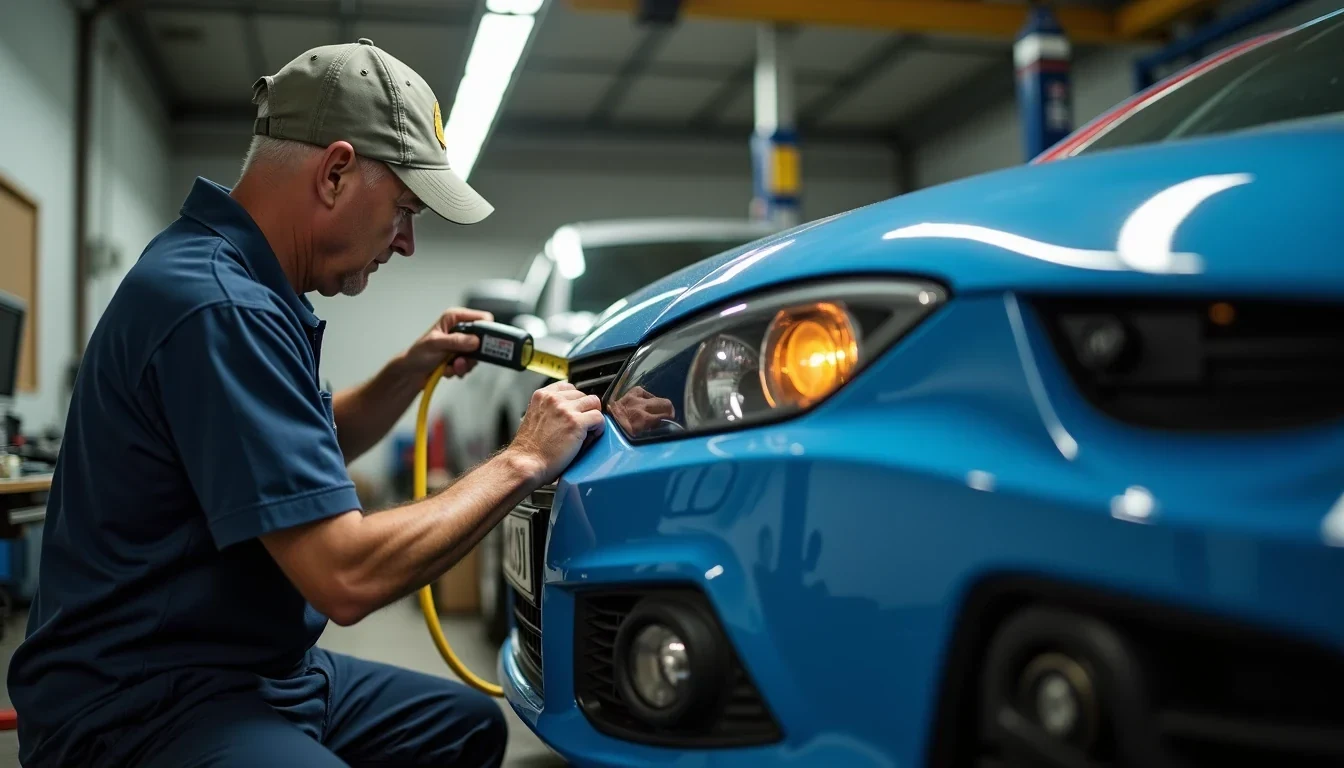
A modified car fails roadworthy when changes push it outside the rules on safety, visibility, noise, or dimensions, not because it looks modified. A neat build with a proper paper trail can pass. A slammed hatch with legal-looking wheels, bad tint, a loud pipe, and one crooked lamp usually will not.
The test is simple: the examiner checks whether the car meets road rules for any vehicle on a public road, plus extra scrutiny for altered parts and geometry. The Western Cape Government lists main inspection areas as identification and documentation, electrical systems, fittings and equipment, braking, wheels, suspension and undercarriage, steering, engine, exhaust system, transmission and drive, instruments, and vehicle dimensions. The official government service page says the inspection is a safety examination, usually takes about 30 minutes, and pricing is set by the station itself. Western Cape Government, accessed 2026-08-25 South African Government, accessed 2026-08-25
What examiners actually look at
Start with the obvious, as most modified cars get caught there. Lighting must work, be fitted correctly, and not dazzle other road users. Regulation 157 says all fitted lamps must be undamaged, properly secured, and capable of being lit. Regulation 184 says headlamps must sit between 450 mm and 1.4 m above ground, measured to the centre of the lamp. Regulation 158 says required lamps must be visible from at least 150 metres in clear conditions on a level unlit road. Acts Online, accessed 2026-08-25 Acts Online, accessed 2026-08-25 Acts Online, accessed 2026-08-25
This applies to a lowered car with aftermarket headlights, projector retrofits, HID conversions, angel-eye styling, smoked tails, or a bumper trimmed for fitment. If the beam sits too low, points the wrong way, or throws glare, the car will have trouble at the test station and on the road. The law is plain: headlamps cannot create dangerous glare, and the driver must always have a clear view ahead. Acts Online, accessed 2026-08-25 Acts Online, accessed 2026-08-25
Suspension and ride height draw similar attention. The roadworthy station checks vehicle dimensions, suspension, undercarriage, steering, and whether the car sits and moves safely. There is no special exemption for a neat coilover setup just because the parts cost a lot. If the vehicle is so low that tyres rub, the exhaust scrapes, the steering fouls, or the lamps sit below legal height, the test is likely over. Broader road traffic rules also expect a vehicle to be equipped and maintained in a condition that meets compulsory specifications for road use. Western Cape Government, accessed 2026-08-25 Acts Online, accessed 2026-08-25
The usual failure points
Window tint fails in a very predictable way. Regulation 202 says visible light transmittance must be at least 70 percent through the windscreen and at least 35 percent through any other window. It also says tint or film must be free from bubbles, tears, or scratches, and bans textured picture or graphic films that cover more than one-sixteenth of the rear window, windscreen, or side window. If your film makes the car look like a private bunker from the outside, it is probably too dark for the rule book. Acts Online, accessed 2026-08-25
Exhaust systems fail when the builder treats noise like a personality trait. Regulation 209 requires an efficient silencer or muffling device, bans any device that lets exhaust gas bypass the silencer, rejects systems that leak fumes into the cab or passenger compartment, and prohibits exhausts that exceed the noise limit in the relevant SABS code. Regulation 310 also bans excessive noise that could have been avoided with reasonable care. This covers common issues, including straight-through pipes, poor mounts, missing silencers, rough extractor fitment, and setups that spray fumes back into the cabin or toward a body panel. Acts Online, accessed 2026-08-25 Acts Online, accessed 2026-08-25
Tyres fail for less glamorous reasons, which is exactly why they get missed. Regulation 212 says a pneumatic tyre must have a clearly visible tread pattern and at least 1 mm of tread depth. It also rejects tyres with exposed fabric or cord, tyres in a condition likely to endanger road users, and tyres that allow the wheel metal to contact the road. A stretched tyre on a wide rim, a worn shoulder, or a mismatched setup can look fine in the driveway and still fail inspection. Acts Online, accessed 2026-08-25
Visibility kit fails too. Regulation 204 requires the driver to have a full and clear view of the road ahead and to both sides, plus proper mirrors where required. Dash cameras, mirror deletes, badly placed sun strips, and awkward cage bars can become a problem. If the car makes it harder to see, it gives the examiner a reason to stop thinking about your build and start thinking about the certificate. Acts Online, accessed 2026-08-25
The modified-car traps
Lowered cars are the biggest repeat offender because the failure is rarely the drop itself. It is the chain reaction that comes with it. A car can sit lower and still pass if the lamps remain within legal range, the tyres do not rub, the steering has no interference, the exhaust is secure, and the car still clears the road safely. Once the front bumper becomes a plough, the sump becomes the lowest point, or the wheels sit so far out of spec that the tyres touch the arches, the test station has a clear reason to fail it. The official inspection categories make that plain by putting suspension, undercarriage, wheels, steering, exhaust, and dimensions on the checklist. Western Cape Government, accessed 2026-08-25
Custom lighting gets picked apart for the same reason. LED strips, replacement headlamps, darkened indicators, and tail lamps that look good in photos can still fail if they are not secure, not bright enough, not correctly aimed, or not in a layout that matches the vehicle’s design requirements. Regulation 157 also requires lamps to be capable of being lit at all times, which is a problem if a cheap conversion has already started to fail intermittently. Acts Online, accessed 2026-08-25
Wheels and tyres cause trouble when fitment is more Instagram than engineering. The test station is not there to admire flushness. It is there to see whether the wheel and tyre combination is safe, legal, and suitable for the vehicle. If the tread is gone, the sidewall is damaged, the tyre is too stretched, or the combo makes the car track badly or rub at full lock, expect a failed sheet, not a lecture. Acts Online, accessed 2026-08-25 Western Cape Government, accessed 2026-08-25
What the test costs
There is no single national roadworthy price. The Department of Transport tells owners to contact the relevant testing station, and the South African Government roadworthy page says the same thing. Published local tariffs give a decent picture of the spread. Mogale City lists R180 for “any other vehicle”, plus R72 for issuing the certificate, as accessed 2026-08-25. George Municipality lists R198 for motor vehicles and trailers not exceeding 3 500 kg, plus R72 for certification, from its published tariff page accessed 2026-08-25. Cape Agulhas lists R135 for “Other” plus R33 for roadworthy certification, also accessed 2026-08-25. A private station I checked, Gateway Test Station, lists R700 for cars and bakkies, VAT included, as accessed 2026-08-25. South African Government, accessed 2026-08-25 Mogale City, accessed 2026-08-25 George Municipality, accessed 2026-08-25 Cape Agulhas Municipality, accessed 2026-08-25 Gateway Test Station, accessed 2026-08-25
These numbers are not a national average. They show that the bill depends on where you book the test and what class of vehicle you bring. If you need a retest, regulation 141 allows one retest within a period fixed by the examiner, not more than 14 days after the original inspection. This punishes people who arrive with hope instead of prep. Acts Online, accessed 2026-08-25
How to get a modified car through first time
Strip the car back to basics before the appointment. Check the tint with a proper film meter if you have access to one, or at least remove the darkest film from the windscreen and front windows if there is any doubt. Clean bubbles, tears, and damaged edges before they become a reason for a fail. Regulation 202 does not care that the film came from a reputable brand. It cares about what the meter reads and what the glass looks like. Acts Online, accessed 2026-08-25
Put the car on level ground and check lamp height, lamp aim, and lamp condition. Replace dead bulbs, cracked lenses, and loose housings. Make sure the headlights are secure, the rear lamps are visible, the number plate lights work, and the beam is not pointing into oncoming traffic. A lowered car with lights that sit too low or too high is asking for a simple, avoidable fail. Acts Online, accessed 2026-08-25 Acts Online, accessed 2026-08-25
Go under the car and look for cheap mistakes. Tighten exhaust hangers. Check for leaks. Confirm there is a proper silencer. Make sure nothing can drip onto hot pipework. Look for loose heat shielding, rubbing pipes, broken mounts, and anything that can contact the road on compression. If the car rides low enough to shave speed humps on the way to the station, sort that first. Acts Online, accessed 2026-08-25 Acts Online, accessed 2026-08-25
Treat tyres as a consumable, not a styling item. If the tread is close to the 1 mm floor, replace them before the test. Check for cords, cuts, bulges, and uneven wear. Make sure the wheels are properly torqued, the steering is free, and the car does not pull or wander. Tyres are one of the fastest ways to fail a roadworthy test because the defect is right there, in plain sight. Acts Online, accessed 2026-08-25
Bring the documents in order. The government roadworthy page asks for the vehicle registration certificate, your ID, and the prescribed fee; the Western Cape Government says the same process applies at private or public stations. If the car was modified in a way that affects registration, the register-a-vehicle service also requires an affidavit on where the parts came from and what was done to the car. This is the part people forget when the build file lives in WhatsApp voice notes and loose invoices. South African Government, accessed 2026-08-25 Western Cape Government, accessed 2026-08-25 South African Government, accessed 2026-08-25
The short version
A modified car passes roadworthy when the mod list stops interfering with the rules. Tint must meet the light-transmission floor. Exhausts must be muffled and leak-free. Lamps must be mounted correctly and work properly. Ride height cannot wreck visibility, ground clearance, steering, or wheel travel. Tyres must have real tread and no structural damage. Get those parts right before you book the test, and the examiner has little left to object to besides the odd bulb or paperwork mistake.