What R80000 Actually Buys For a SA Project Car
25 August 2026
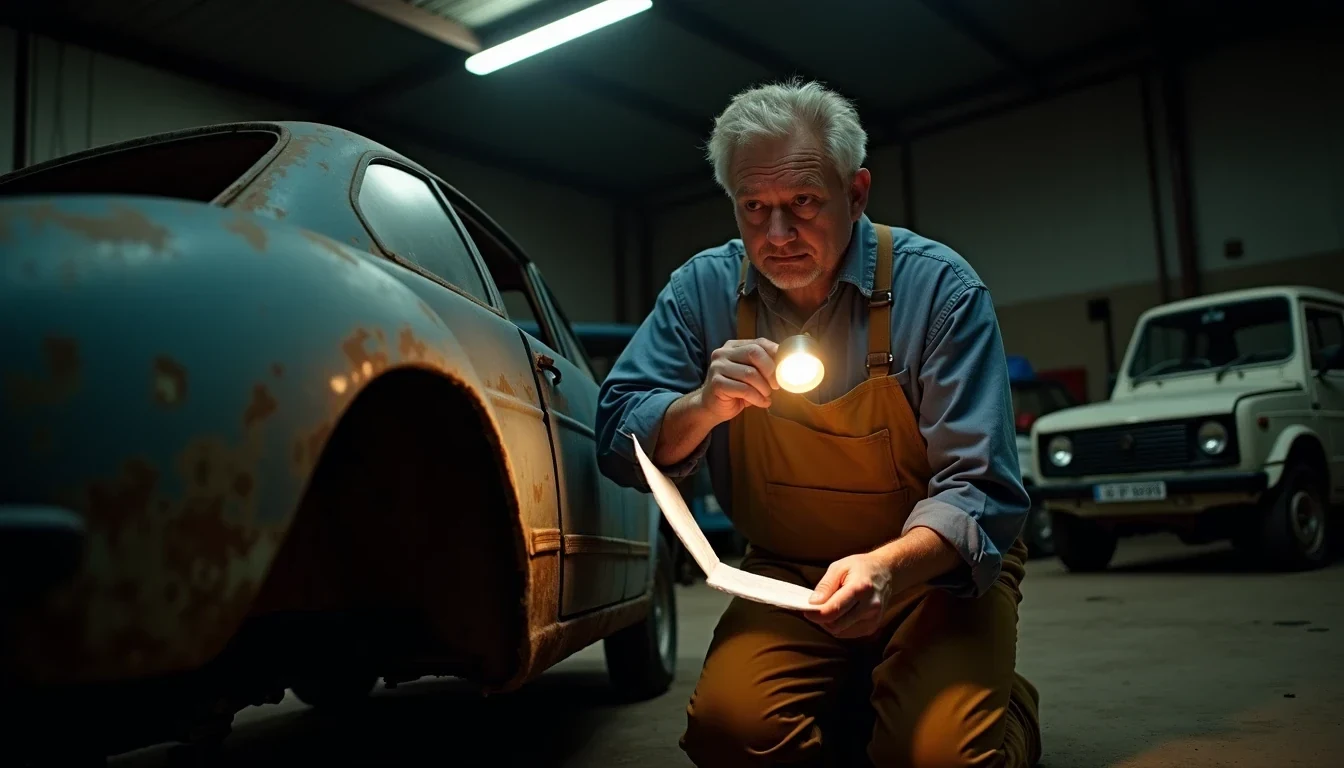
R80,000 sounds like real money until you start shopping shells. Then it turns into a blunt question: do you want a car, or do you want a long lesson in rust, missing paperwork, and unfinished plans in the corner of the garage?
In 2026, the honest answer in this bracket is still boring in the best way. South African yards, forums, and parts counters still know how to feed the cars that make sense. That means Citi Golf, Tazz, older Polo, and the BMW E30 if you are willing to source a few more bits with your own two hands. The purchase price is only the opening bill. The real damage starts after you drag the shell home.
What the money actually buys
A cheap project car in this range is rarely a secret bargain. It is usually a tired runner, a partly stripped donor, or a tidy-looking shell with a story the seller has polished hard enough to hide. AutoTrader’s live market pages give the shape of the market in August 2026. Toyota Tazz adverts start at R55,000 and run to R119,900, while Volkswagen Citi adverts start at R45,000 and go much higher for nicer or rarer cars. A used CitiGolf 1.3 on the site was listed at R55,000, and a 2001 Toyota Tazz 130 was listed at R59,900. A BMW E30 320i listing sitting far outside budget at R599,990 tells you that clean E30s are no longer cheap even when the badge says otherwise. Toyota Tazz market overview, Volkswagen Citi market overview, Citi Golf listing, Tazz listing, BMW E30 listing
People budget for the car and treat the work as a side quest, but it is the other way around. A R50,000 shell often needs another R50,000 before it is properly safe and usable. Push the shell price to R80,000 and the build money should follow it, not wait politely in a different bank account.
The platforms that still make sense
The Citi Golf remains the plainest answer because Volkswagen never really stopped feeding that family. VW South Africa still lists Genuine Volkswagen Classic Parts for older models and says the portfolio runs to about 60,000 items, from small fasteners to later body parts. Not every trim piece is cheap, but you are not building around a dead platform. VW Classic Parts
The Tazz sits in the same lane for a different reason. Toyota’s local parts channel is still easy to reach, and the brand’s own parts store shows the kind of long-tail support that keeps old Toyota ownership from turning into a scavenger hunt. When a manufacturer still offers direct parts access, even for mundane items like service parts, that is not marketing fluff. It is the difference between keeping a car on the road and parking it while you wait for a breaker to answer a message. Toyota parts store, Toyota genuine parts warranty
Older Polos, especially the 6N and early 9N cars, live somewhere in the middle. They are not as bombproof on parts availability as a Citi or Tazz, but they are still supported well enough to be practical. Volkswagen’s classic parts channel and the sheer number of shared VW Group consumables keep them alive. The catch is that you need to stay disciplined. Once you start chasing rare trim, electric bits, or accident repair panels, the bill rises fast.
The E30 is the enthusiast’s answer, which is another way of saying it rewards patience and punishes impulse. The aftermarket is real, and there are specialist BMW spares businesses locally that stock or source E30 mechanical and suspension items. Zen Parts, for example, openly lists BMW E30 spares and even a suspension kit, which indicates the platform still has a working ecosystem. The problem is not whether parts exist. The problem is cost, and how many of them you need at once. Zen Parts BMW spares
If your budget is tight, the ranking is simple. Citi Golf first. Tazz second. Older Polo third. E30 only if you are prepared for the build to be a project in the old-fashioned sense, where the plan changes once you start pulling the car apart.
The rust spots that kill a budget
Cheap project cars do not usually die on engines. They die on corrosion you can see only after the sale.
Floor pans and sills are the first check. Lift the carpets, press with your thumb, and look for repairs that were done with enthusiasm and no skill. Old VWs and Toyotas are both guilty here, especially cars that spent years sitting with damp interior trim or tired door seals.
Strut towers and suspension mounts are the expensive bits hiding in plain sight. On an E30, that means checking the front towers with real suspicion. On a Citi, it means looking at the rear mounting points and asking yourself whether the shell still deserves suspension money. If those areas are rotten, you are no longer buying a project. You are buying welding.
Wheel arches, battery trays, windscreen surrounds, and boot floors deserve the same scrutiny. Battery acid can eat a tray into lace. Hatchbacks hide water around the rear glass and under the spare wheel. A clean coat of paint is not evidence of health. It is often evidence of timing.
Rust is also where the budget gets silly. A minor patch job might be manageable. Structural work is where a R30,000 car can become a R90,000 lesson very quickly.
The paperwork traps that waste the most time
The second killer is paperwork. It does not care how nice the car looks.
A vehicle marked as scrapped or deregistered is a headache at best and a dead end at worst. The Department of Transport’s vehicle registration pages make it clear that registration, deregistration, and title transfers all sit inside the formal system, not the seller’s promises. If a seller cannot explain the car’s status cleanly, walk away and let someone else collect the drama. Register motor vehicle
The VIN and engine number must line up with the paperwork. South African Police Service guidance on vehicle clearance says chassis and engine numbers are checked against official records, and the Western Cape Government says if a car’s engine or chassis number has changed, clearance is required before re-registration. If you are looking at an engine swap that was never updated on the papers, do not assume it will sort itself out later. That kind of hope is how budget builds turn into abandoned shells. SAPS vehicle clearance FAQ, Western Cape vehicle clearance
Code 3 cars can be legitimate, but only if the rebuild was done properly and the documents are in order. Roadworthy testing is mandatory before you register a vehicle in your name, and the government’s roadworthy page states plainly that the owner has to take the car through the process. If the car has been rebuilt, the paperwork needs to tell the same story as the shell in front of you. Roadworthy certificate
How to budget before you buy the shell
The cleanest way to think about this is to budget the build first, then shop for the shell that fits what is left over. That feels backward until you have seen enough project cars to know the purchase price is usually the cheap part.
A practical 50/50 split still makes sense for this bracket. If you spend R30,000 on the car, keep another R30,000 ready. If the shell costs R80,000, the initial work should have an equal amount waiting. If you cannot afford that second half, the car is not affordable. It is just underpriced.
A rough first-stage spend, using 2026 money, looks like this:
| Item | Typical spend |
|---|---|
| Service items, fluids, tune-up | R3,000 to R8,000 |
| Brakes | R4,000 to R10,000 |
| Suspension refresh | R5,000 to R15,000 |
| Tyres | R4,000 to R8,000 |
| Minor rust repair | R5,000 to R15,000 |
| Roadworthy and licensing | R1,500 to R3,000 |
| Contingency | 20% to 30% extra |
Those numbers are not fantasy. They are what happens once the car starts asking for parts instead of compliments. A set of tyres is non-negotiable. Brake parts are not optional. Suspension bushes and shocks are not where you save money if the car still has to survive Gauteng potholes or the Cape Town daily grind.
Add tools and consumables if you plan to work at home. A jack, stands, a socket set, a multimeter, wire brushes, cleaners, sandpaper, masking, and prep supplies all cost money before you touch a spanner. If you are doing the labour yourself, you can keep the project sane. If every hour is billed out by someone else, an R80,000 shell starts looking like the deposit on a much better car.
What each platform can realistically become
A Citi Golf with R80,000 all in can become a sharp, usable street car with decent suspension, fresh braking, a sorted motor, and enough bodywork to look proud in a parking lot without pretending it is a showpiece. That is the right target.
A Tazz can do the same thing, but in a slightly more practical shape. The reward is easy maintenance and a car that does not demand drama every time something wears out.
An older Polo can be a neat balance if you want a newer-feeling cabin and can live with a little more complexity. It is the sensible choice for someone who wants to drive more than polish.
An E30 is the emotional buy. It is the one you choose because the shape makes you forgive the inconvenience. Just do not tell yourself it is the cheap option. Clean E30s have already moved beyond bargain territory, which means the only sensible ones are the ones that need work and come with paperwork that survives inspection. BMW E30 market example
The rule that saves the most money
Buy the least rusty, most legal, most complete car you can find, then leave the cosmetic nonsense for later. A straight shell with boring maintenance needs beats a shiny problem car every time.
That is the whole game at this budget. Parts support keeps the build alive. Rust kills the shell. Paperwork kills the deal. The cheap car is only cheap if you know exactly what it still needs before you pay for it.