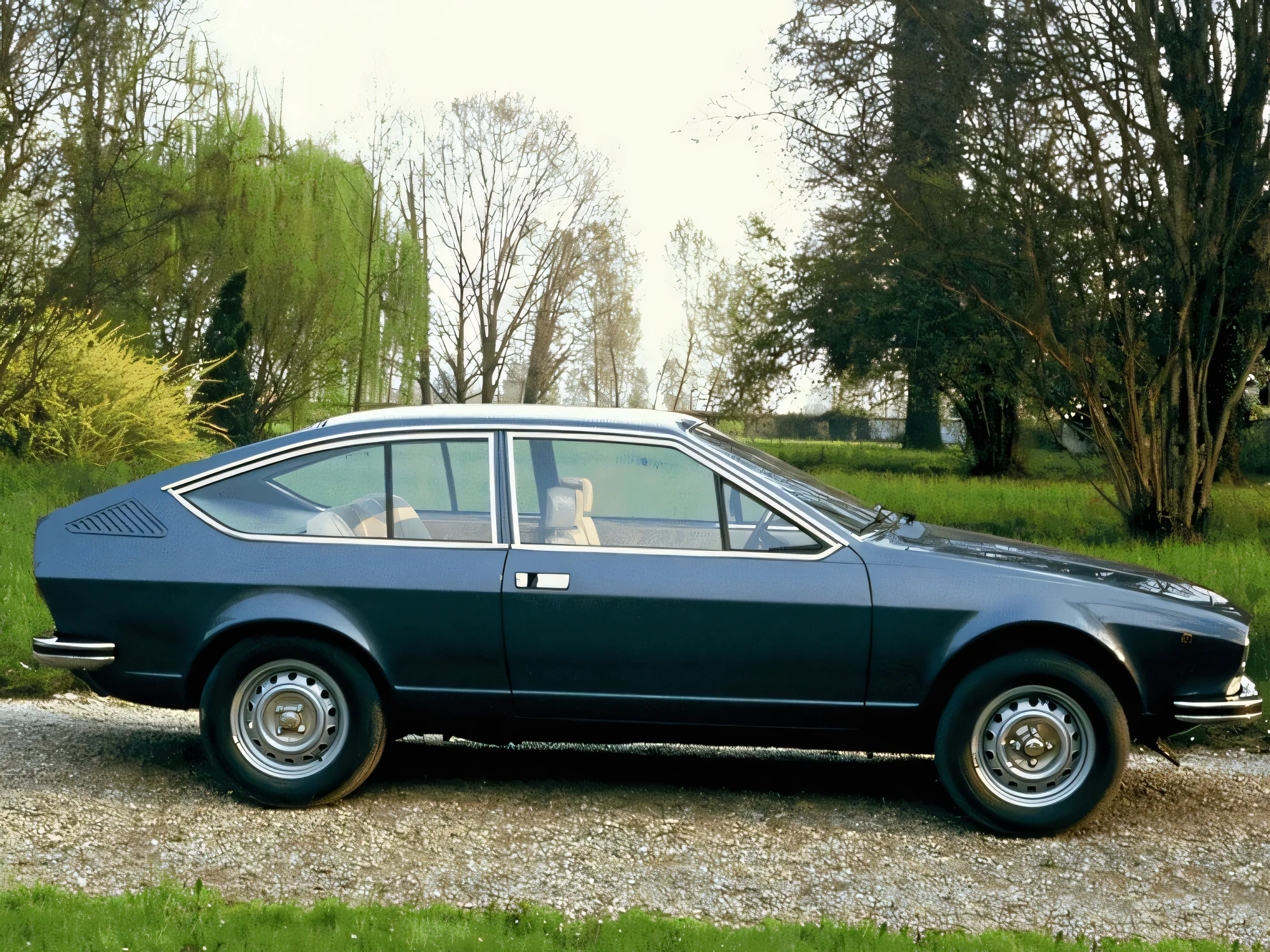
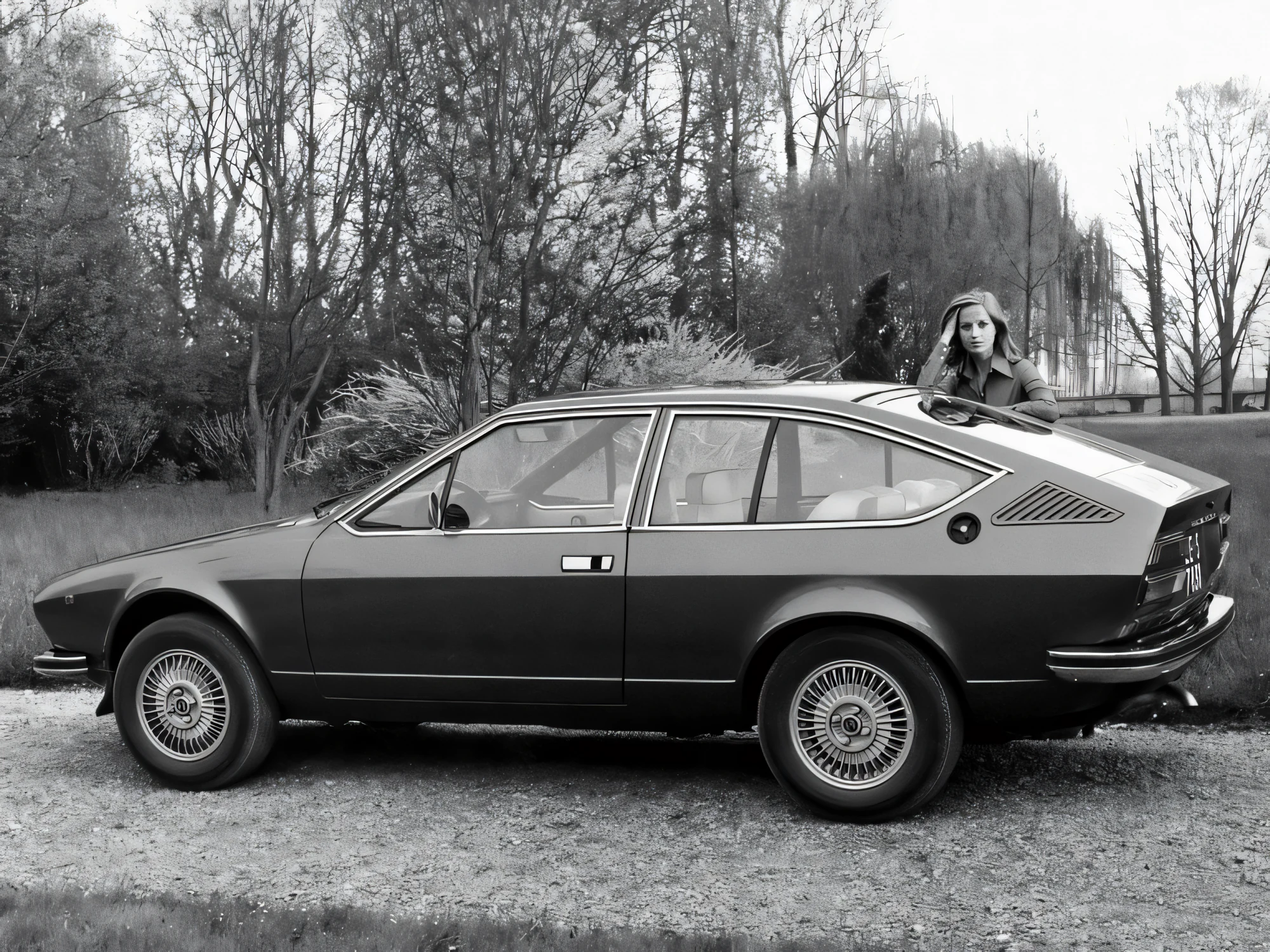
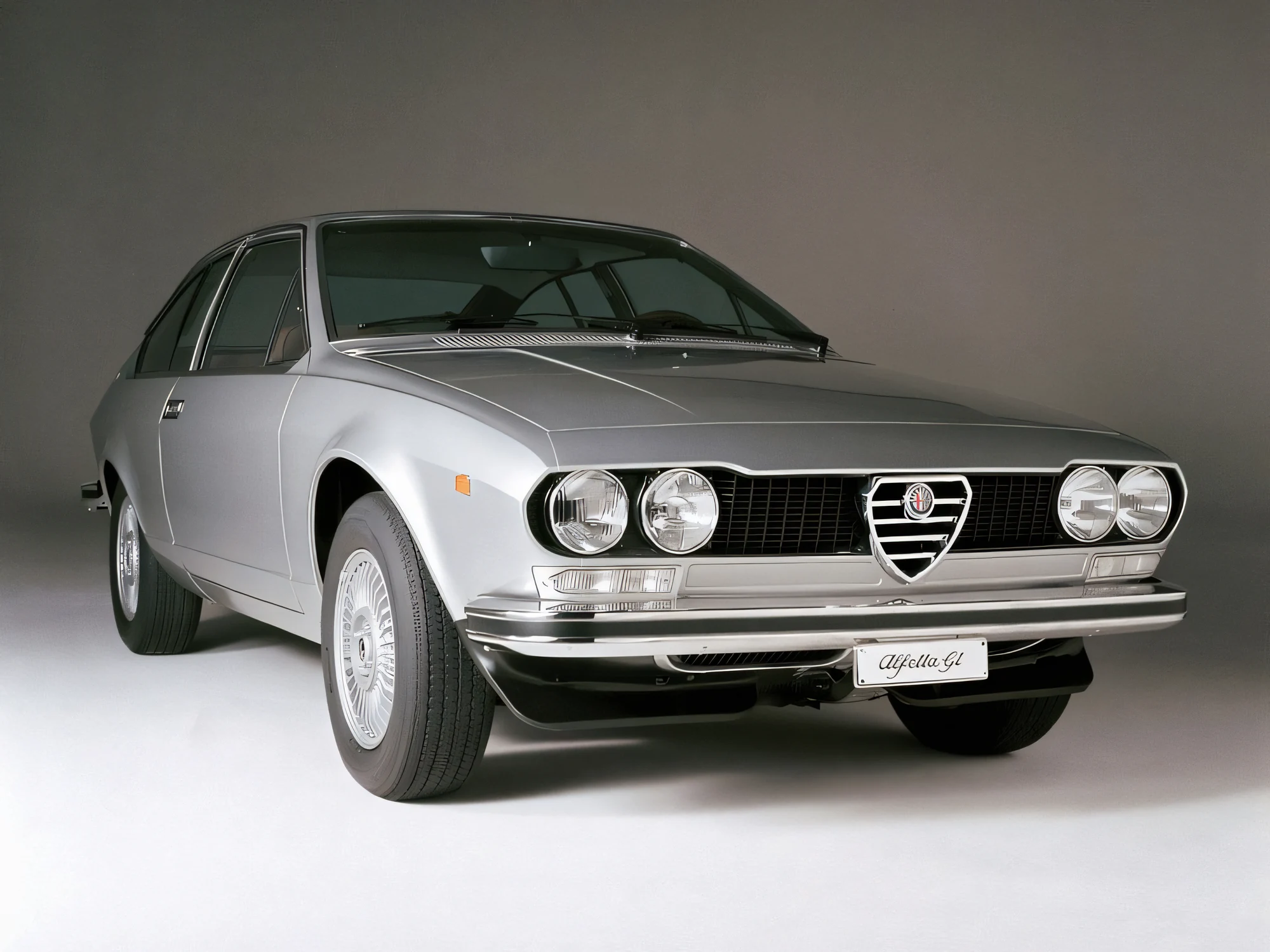
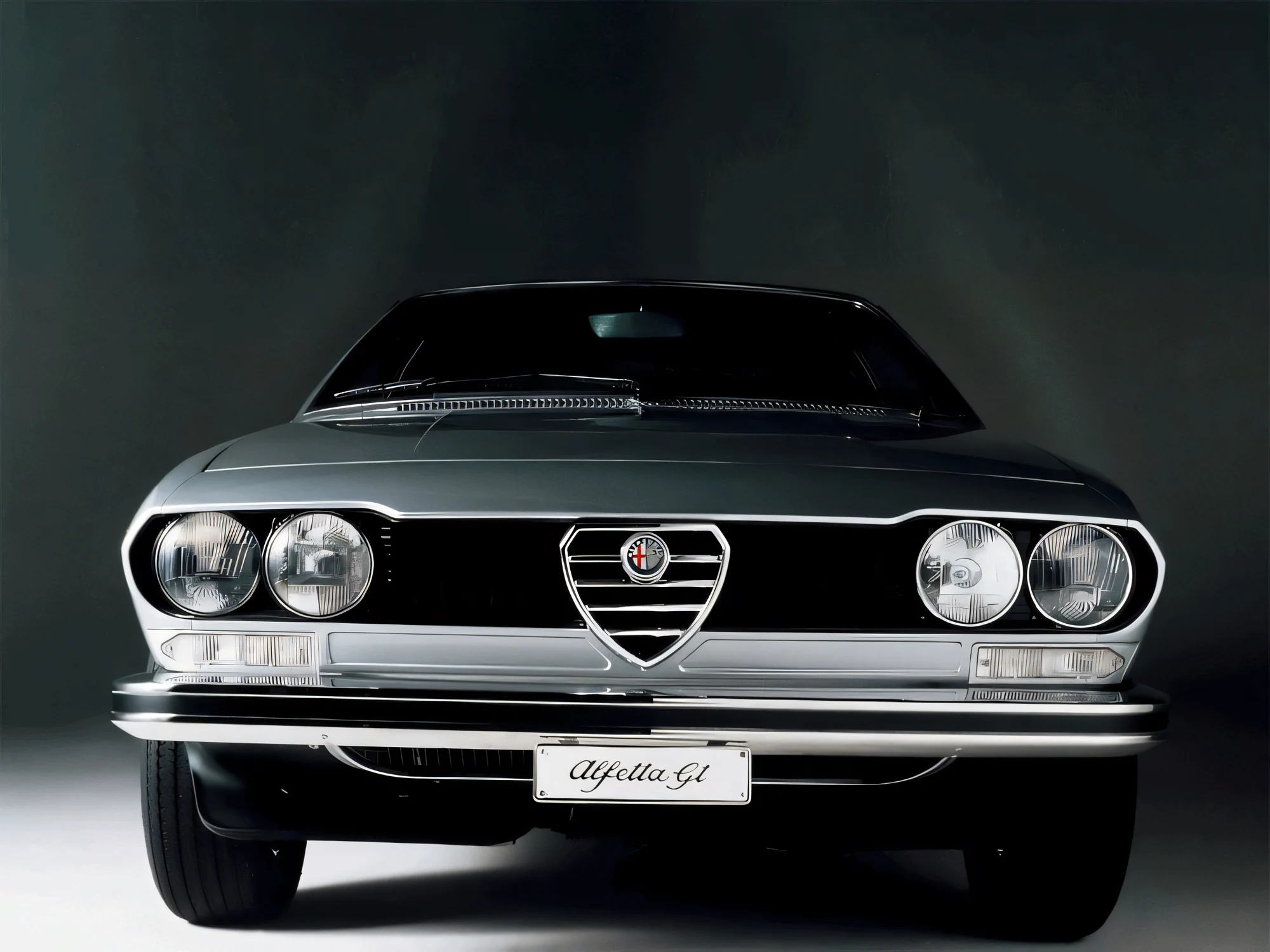
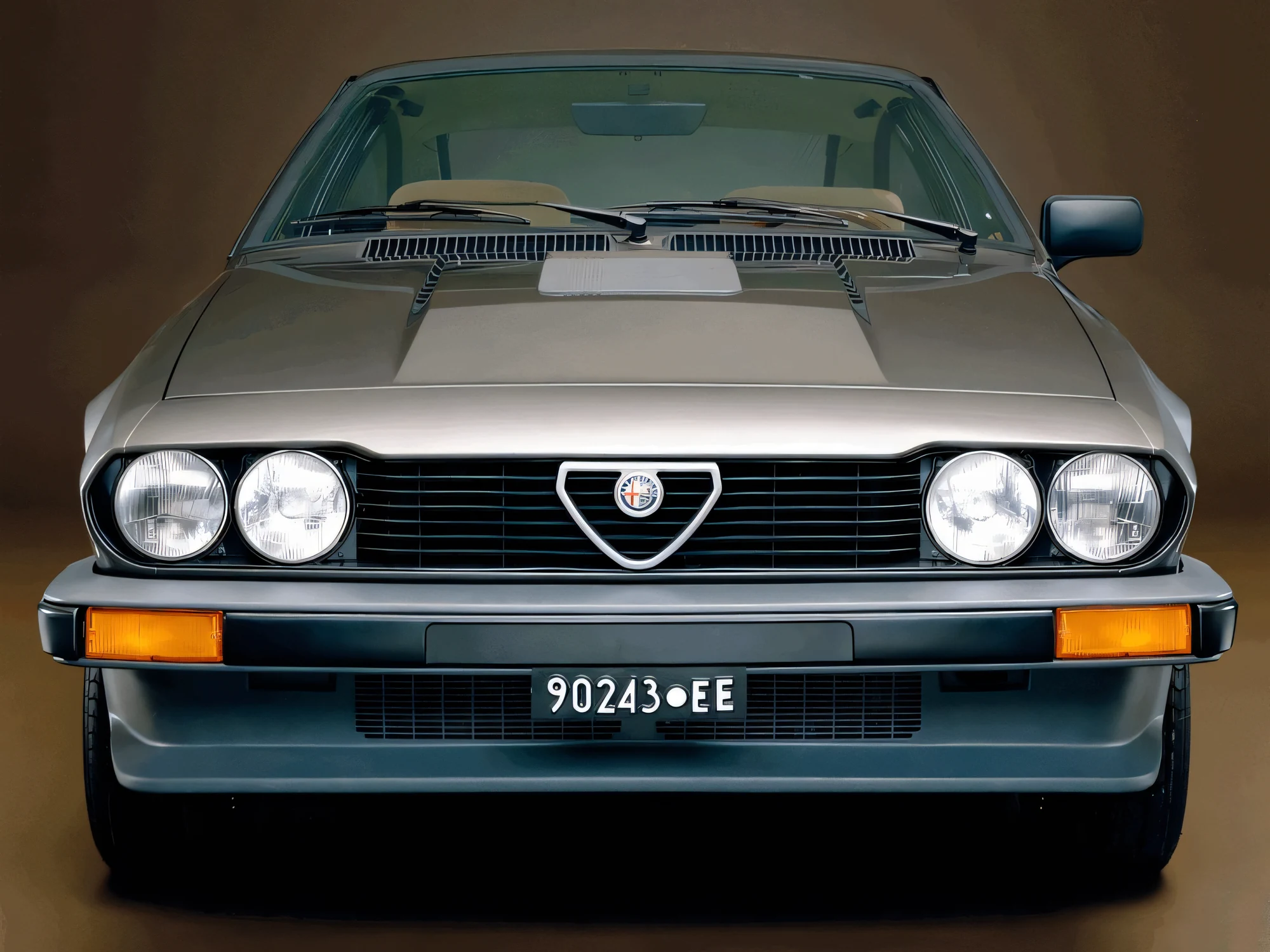
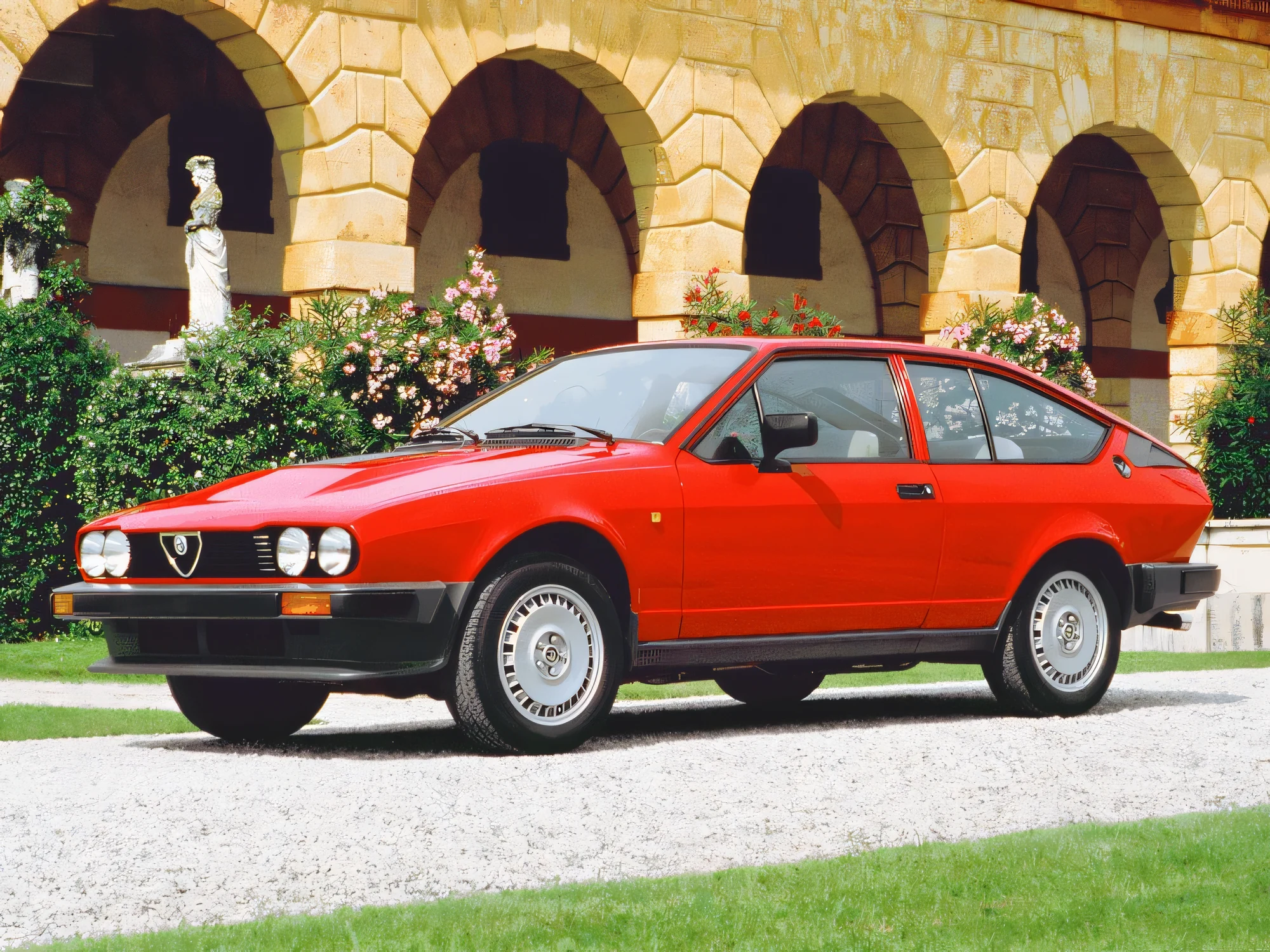
The transaxle-balanced coupe that gave the world one of its greatest-sounding engines — and gave South Africa a 3.0 V6 it built before Alfa itself did.
track×4Consecutive European Touring Car titles for the GTV6, 1982–1985ETCC records
model212GTV6 3.0s Alfa South Africa built — perhaps 35 surviveCars.co.za / ikonikar
spec6 carbsDell'Orto carburettors on the SA 3.0 (the first two cars kept injection)ikonikar
spec4 yrsHow much earlier South Africa built a 3.0 Busso than Europe didAutoEvolution / Wikipedia
reimaginedR1.1mWhat a 1985 GTV6 3.0 sold for in 2021 — a record for the modelNews24 / IOL
reimagined007Bond commandeered a GTV6 for a chase in Octopussy (1983)IMCDb
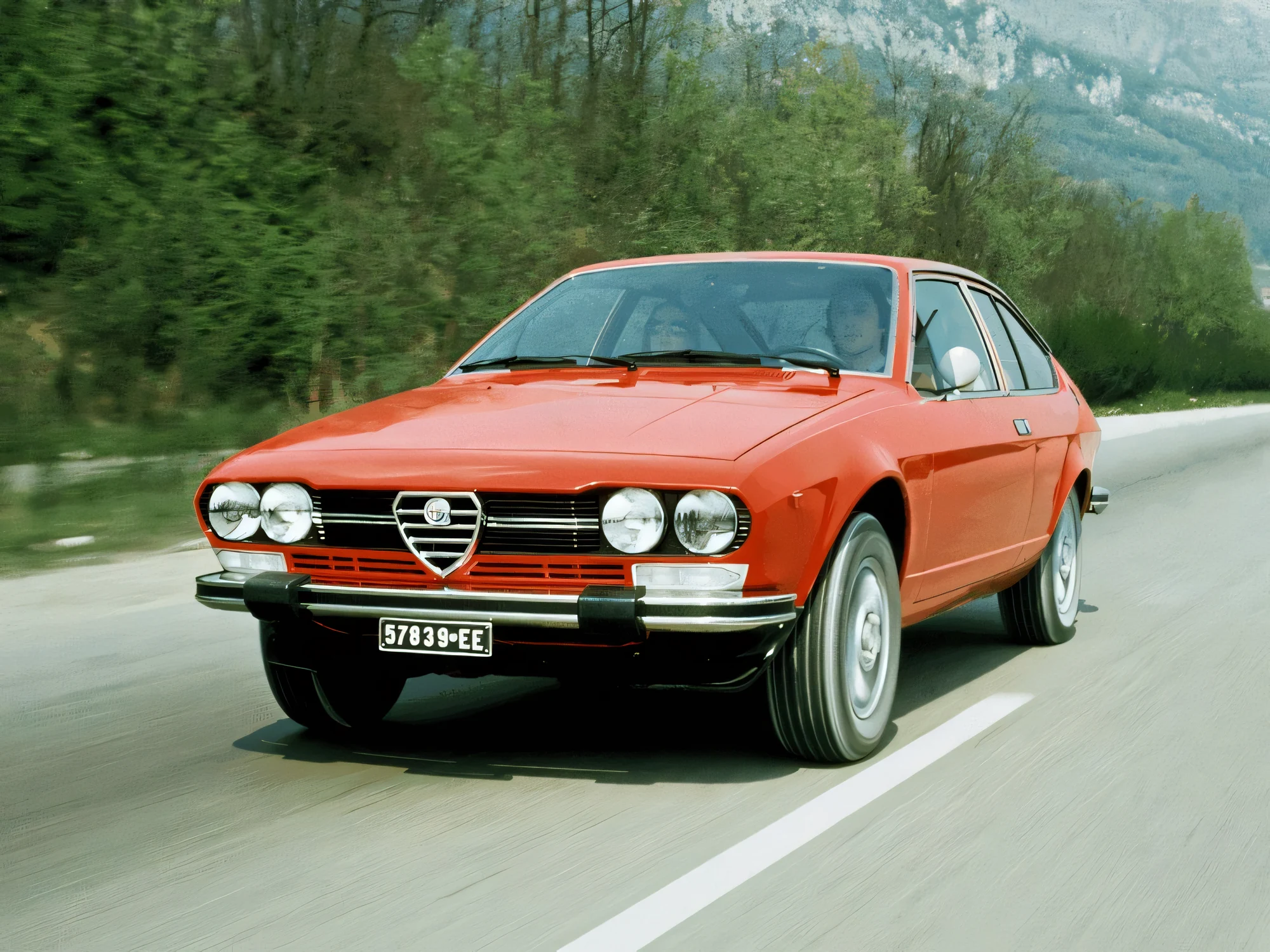
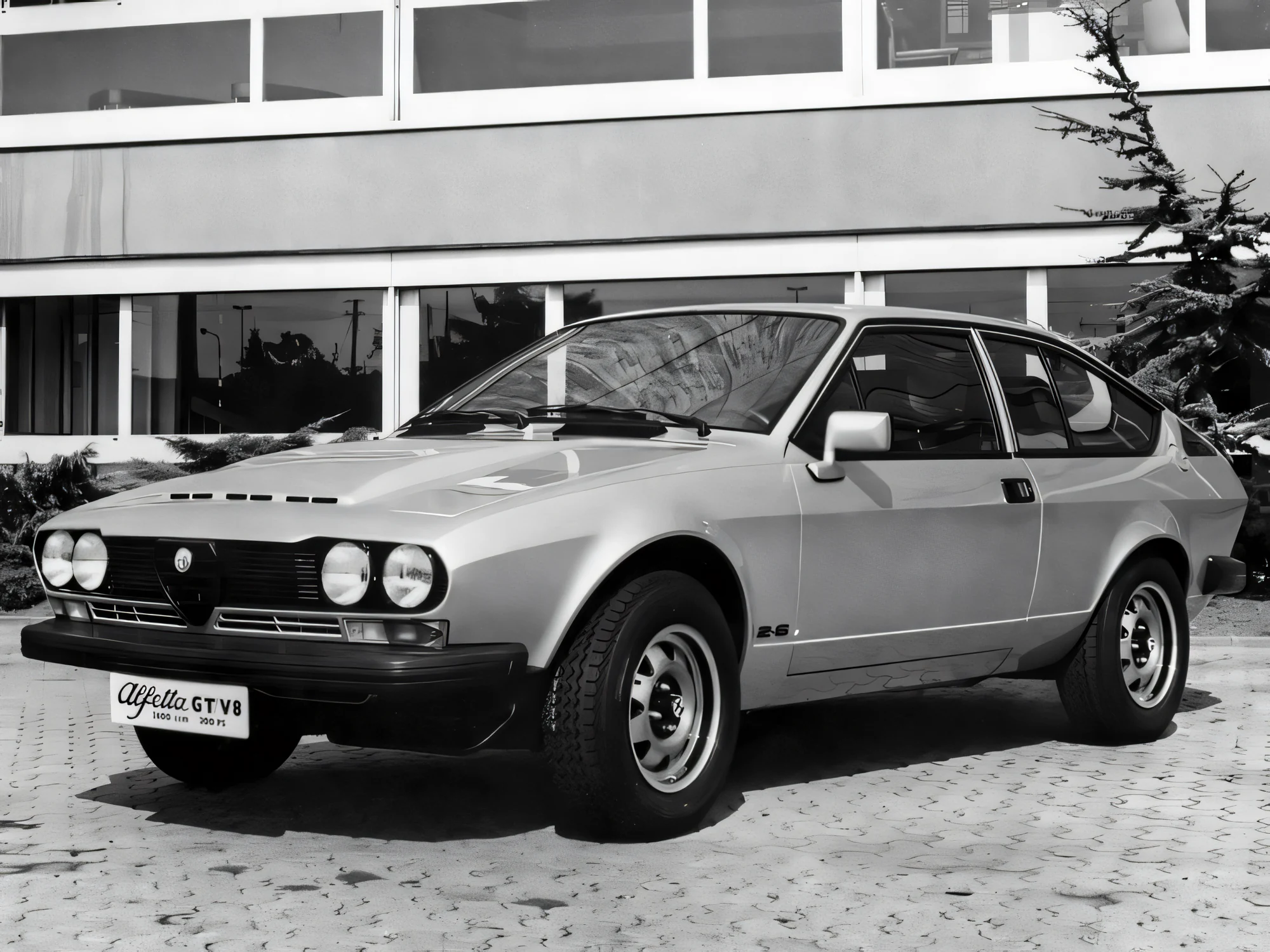
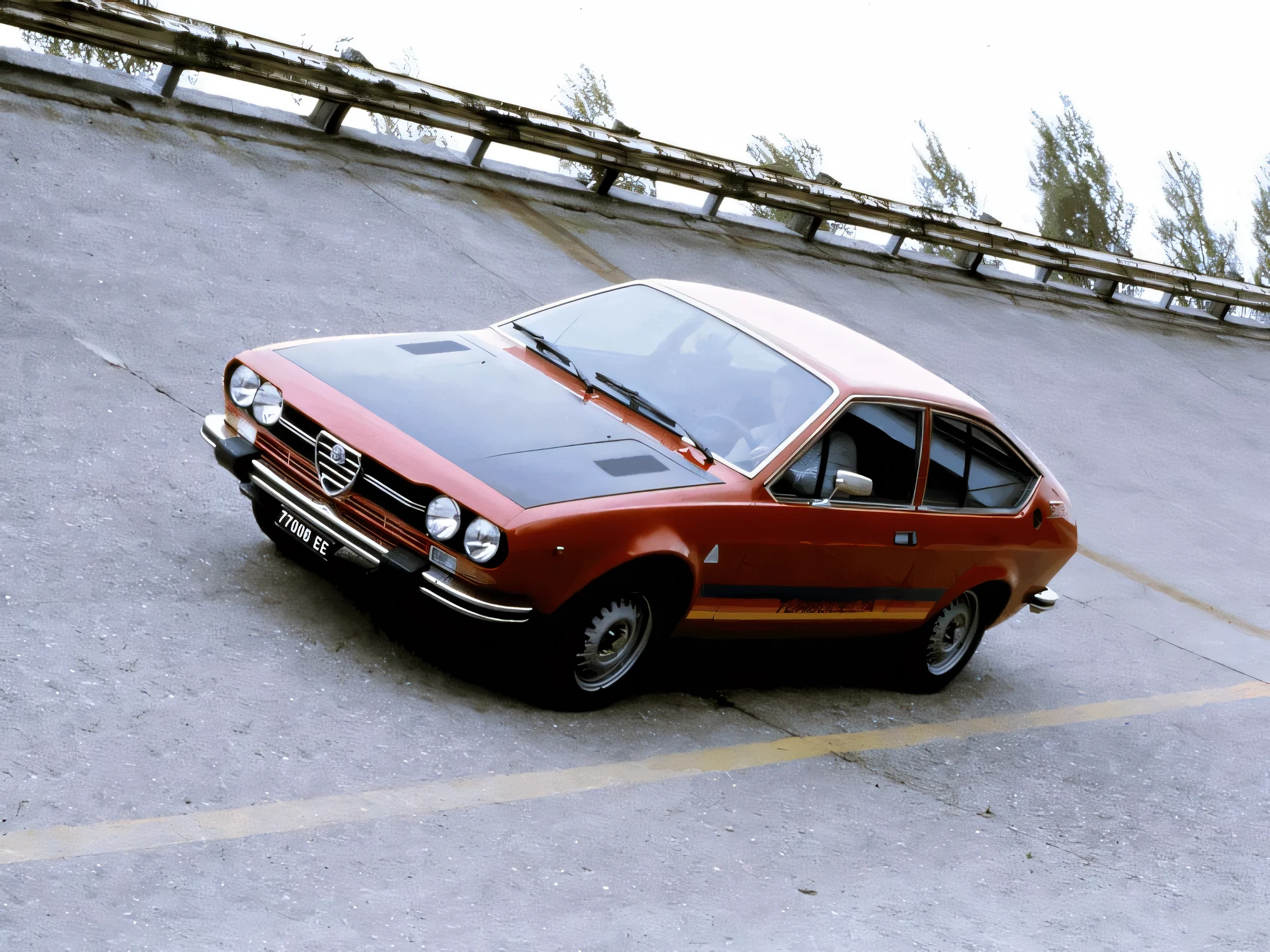
The Alfetta GTV is the coupe that put its gearbox in the wrong place on purpose, and a masterpiece of an engine in its nose. It handles like few things its age because of the first, and it's worshipped because of the second — the Busso V6, the "Violin of Arese". And its rarest, best chapter was written not in Italy, but in South Africa.
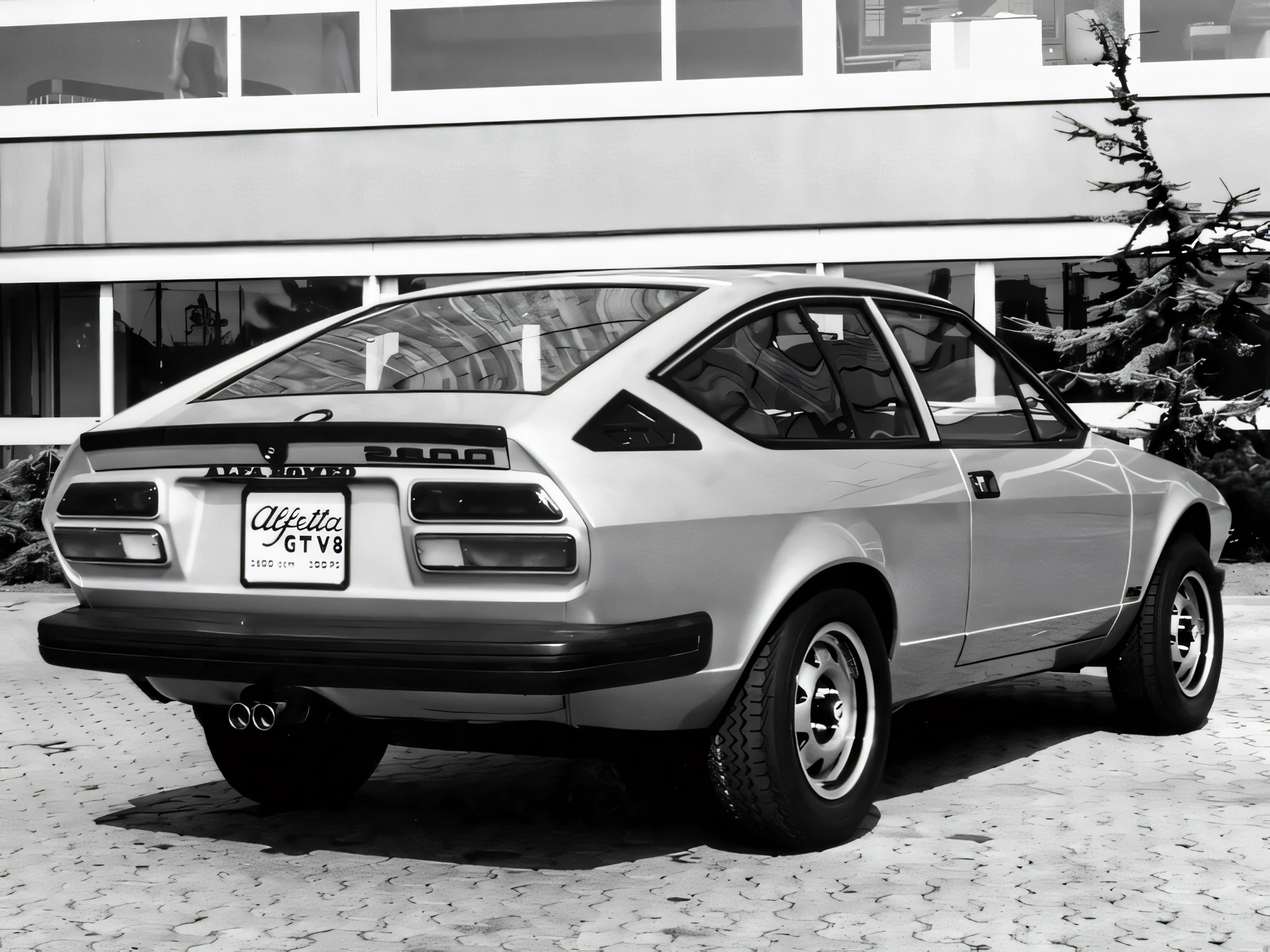
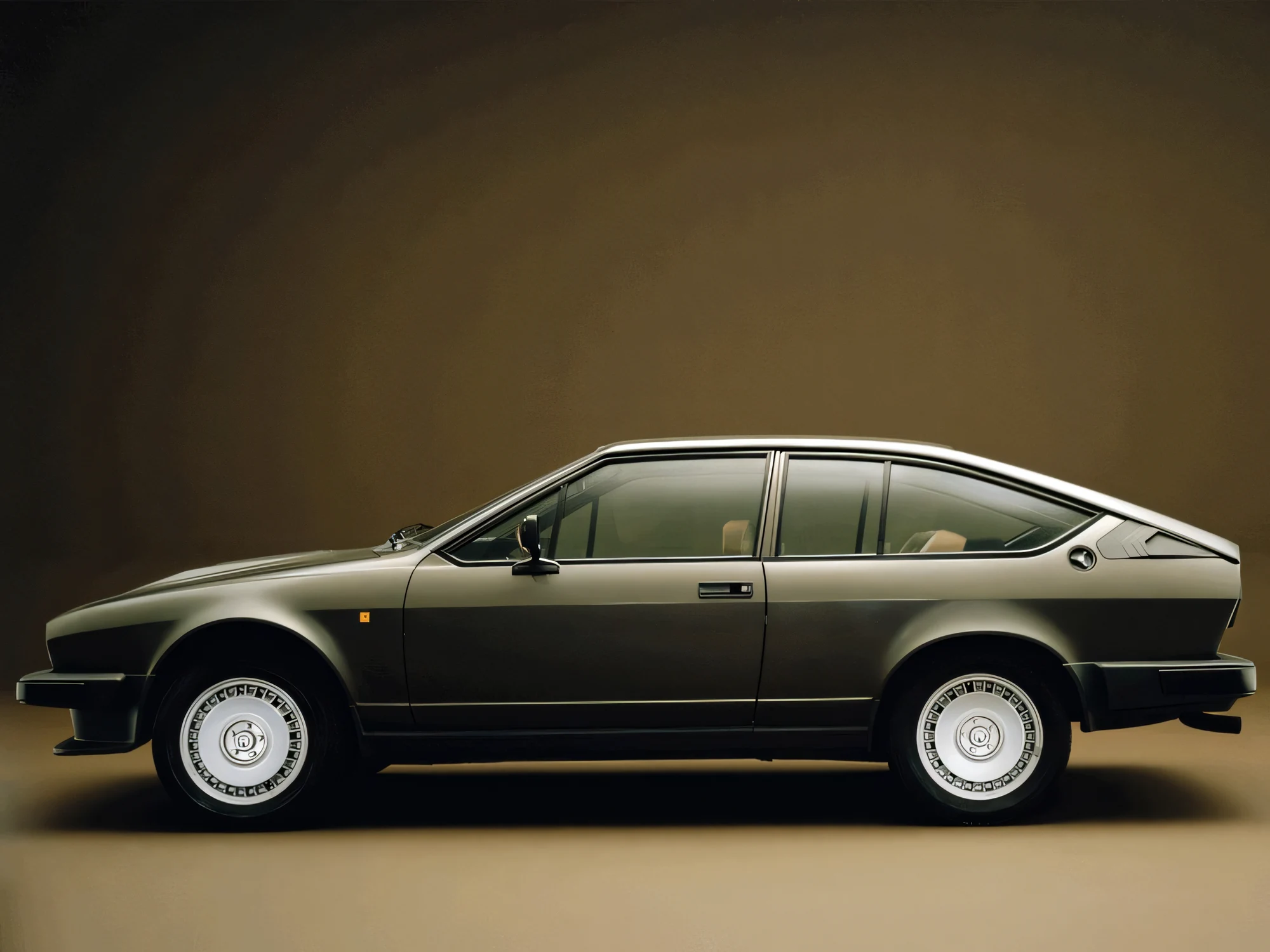
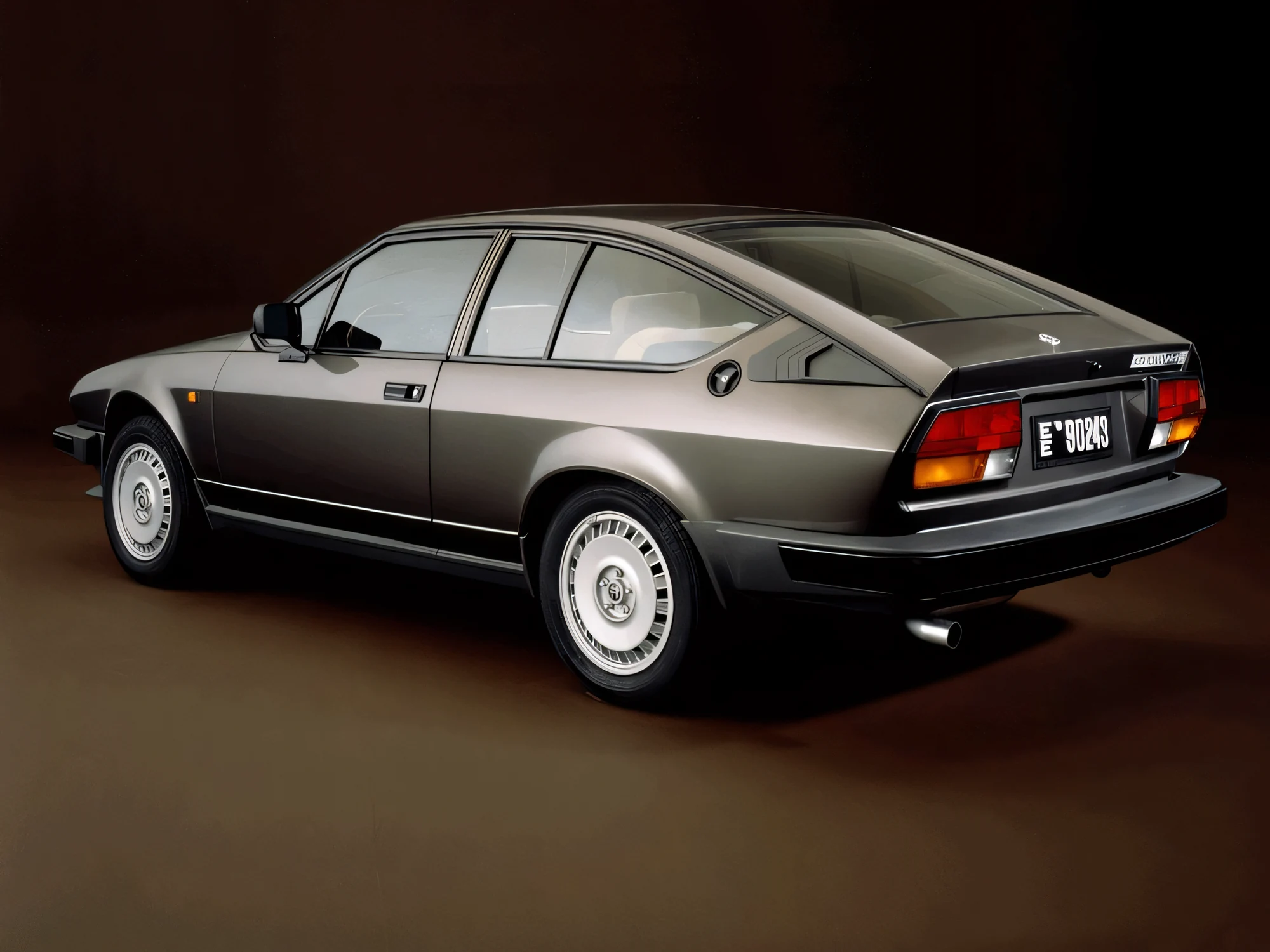
Its gearbox lives at the back — a rear transaxle for near-50:50 balance and a sweet-handling chassis.
The 2.5 Busso V6 is routinely called one of the best-sounding engines ever made.
South Africa built a 3.0 GTV6 — with six carbs — years before Alfa put a 3.0 V6 in a European car.
The Alfetta GTV is the coupe that did two strange, brilliant things. It put its
gearbox at the back — a rear transaxle, bolted to the rear axle with a De Dion
beam and inboard brakes — to balance the car almost perfectly and make it handle
like little else of its era. And, in 1980, it put a jewel of an engine in its
nose. The rest is the story of one of the most loved, and best-sounding, cars
Alfa Romeo ever built — with its rarest chapter written in South Africa.
The transaxle and the Violin
Two things define the GTV6. The first is that rear transaxle: shifting the
gearbox to the back axle gives near-50:50 weight and a low polar moment, so the
Giugiaro coupe turns and balances beautifully — at the cost of a long, notchy
shift through a rubber flex-disc that owners come to know intimately. The second
is the 2.5-litre Busso V6, designed by Giuseppe Busso, announced by a bulge in
the bonnet the six wouldn’t fit under otherwise. On paper it made a modest 160 PS.
In the ears, it made something people have spent forty years trying to describe —
the “Violin of Arese”, routinely called the finest-sounding six a road car ever
had. The GTV6 isn’t quick by modern numbers. It doesn’t need to be.
The build scene
Almost everything the scene does to a GTV6 orbits those same two features. Power
comes from a bigger Busso — a 3.0, or the later 24-valve 3.0/3.2 from a 164 or 916
GTV — and because every rear-drive Busso is a transaxle unit, the swap works with
the layout rather than against it. Individual throttle bodies chase response and,
honestly, more noise. And the transaxle itself is the maintenance story: the
guibo flex-disc, the propshaft bearing and the shift bushings are what stand
between a crisp, tight GTV6 and a vague, vibey one. South African racers went
further still, ditching the fragile transaxle for a BMW M3 gearbox and an Alfa 6
diff to survive competition.
Owning one now
The standard 2.5 GTV6 remains, for now, one of the more attainable ways into a
genuinely special classic — provided you go in clear-eyed about Italian
electrics, rust, and a transaxle that wants servicing. The South African 3.0 is a
different world: a 212-car homologation rarity that trades in the millions of rand
and almost never comes up. Whichever you chase, buy on condition and history, find
someone who actually knows the transaxle before you commit — and then find a
tunnel, drop a gear, and understand what all the fuss is about.
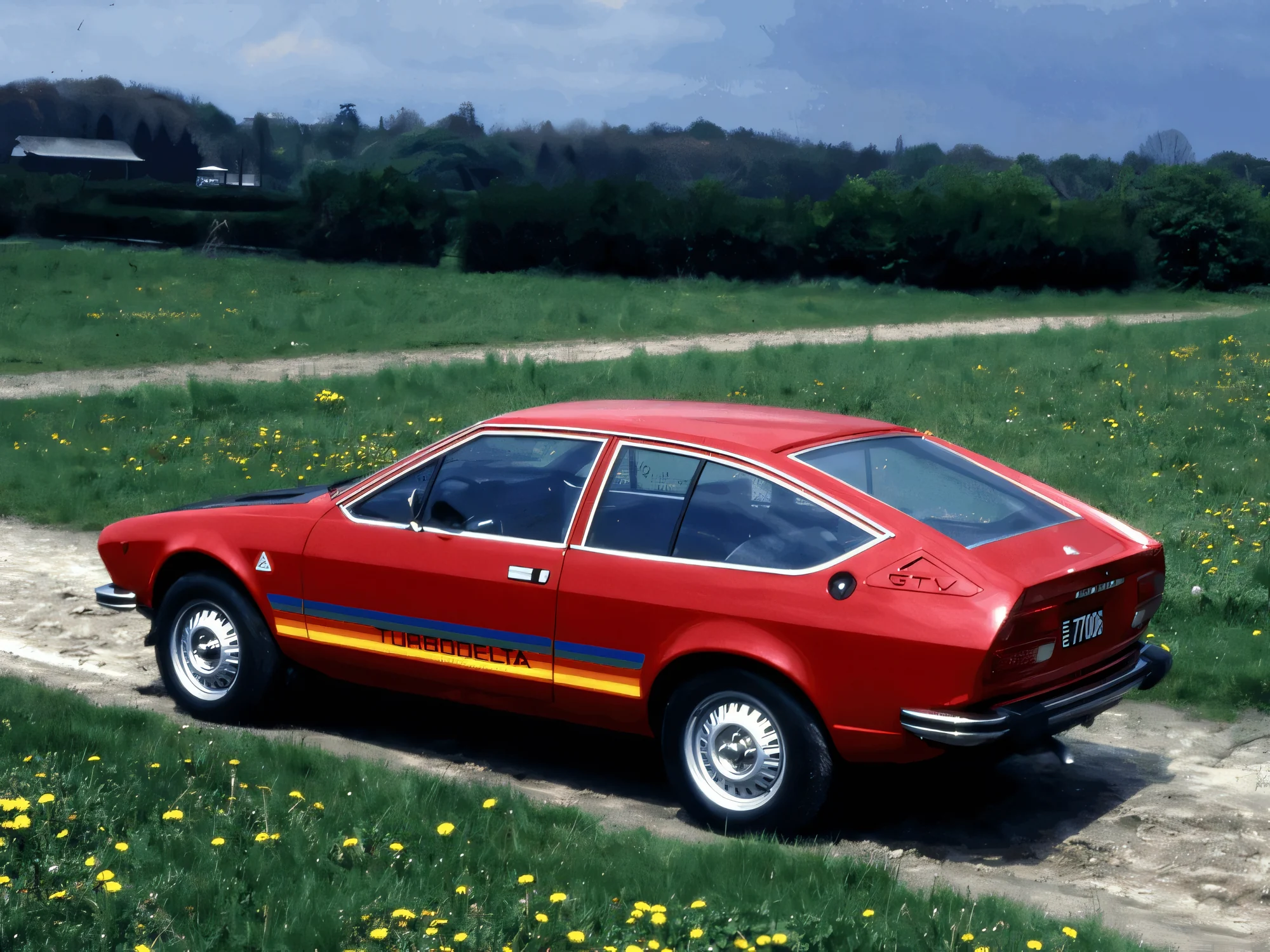
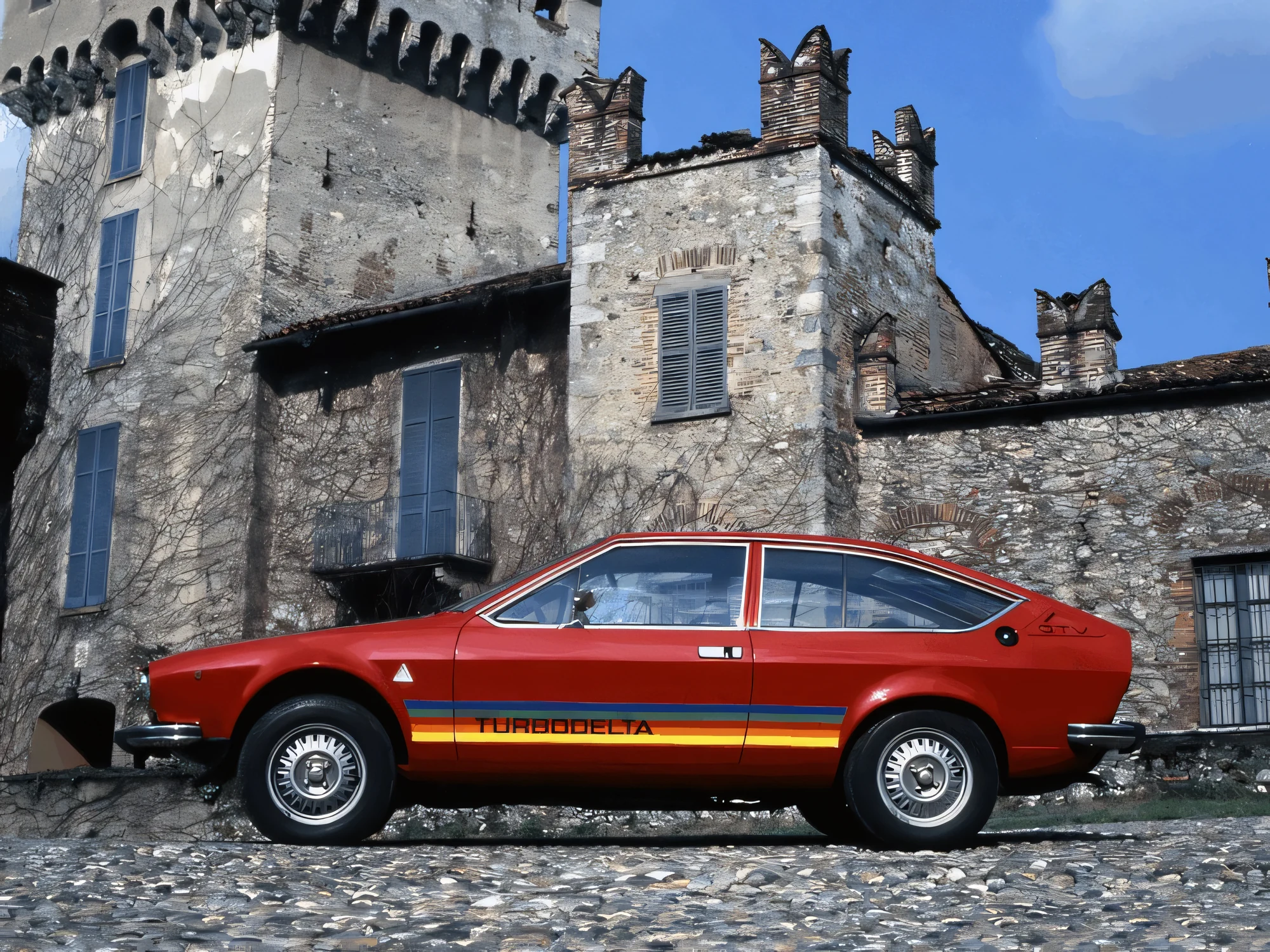
To race the GTV6 against the bigger BMW 535i in South African Group One production racing, Alfa Romeo SA needed more engine than the 2.5 V6 had. So it built one. Autodelta shipped the head castings, crankshaft, pistons, sleeves and larger valves — but the enlarged 2,934cc V6s were machined and assembled at Alfa's plant in Brits. Real local engineering, not a badge job.
The first two cars kept fuel injection; the rest breathed through six Dell'Orto carburettors. And here's the part that stops Alfa fans mid-sentence: this South African 3.0 arrived in 1983–84 — about four years before Alfa itself put a 3.0 Busso in a European car (the 75 3.0 and the 164, in 1987). South Africa built the big-bore Busso first.
It worked. The 3.0 won on its Kyalami debut in 1983, took a 1-2 at Killarney and an index win at the Kyalami 1000 km, and Nico Bianco took the 1984 SA Group One title in one, on a reported 70% win rate. Just 212 were built and perhaps 35 survive — which is why one sold for R1.1 million in 2021. It is the rarest, most South African Alfa there is.
How it gets modified
The modifications that actually get done — what each does, roughly what it gains, roughly what it costs.
Busso
The bigger-V6 swap
The classic upgrade: swap the 2.5 for a 3.0, or the later 24-valve 3.0/3.2 Busso from the 164, 916 GTV or 156, for more torque and top end. All the rear-drive Bussos are transaxle units, so the swap keeps the layout rather than fighting it.
More V6, same balanceEngine + adapting
The transaxle
Guibo + linkage refresh
The transaxle's whole service life is the rubber flex-disc ('guibo'), the propshaft centre bearing and the shift bushings. Refresh them and the notchy shift sharpens and the vibration goes; ignore them and it turns vague and buzzy.
A crisp shift, no vibrationMaintenance, not power
Induction
Individual throttle bodies
The known route on a built Busso: individual throttle bodies for throttle response and — the real reason — more of that noise. You don't modify a GTV6 to be quieter.
Sharper response, more ViolinTuning
Race spec
The SA gearbox swap
South African racers historically binned the fragile rear transaxle for a stronger box — a BMW M3 gearbox — plus an Alfa 6 differential. It's the local trick that made the GTV6 survive being raced hard.
Durability under powerBespoke fabrication
Keep it real
Leave the sound alone
For many owners the GTV6 needs nothing: a healthy 2.5 Busso, a fresh guibo, good tyres and a tunnel to drive through. On this car, the engine is the modification.
The Violin, enjoyedRestraint
Every frame
The whole set — tap any to blow it up.
The progression
The numbers that actually changed, generation by generation.
Power — the four, the six, the turbo
The turbo four actually out-punched the 2.5 V6 on paper. But the GTV6 was never about the number — it was about the noise, and South Africa's 3.0 closed the gap the honest way.
GTV 2.0
130 PS
twin-cam four
GTV6 2.5
160 PS
Busso V6
GTV6 3.0
172 PS
SA · six carbs
Turbodelta
175 PS
Autodelta turbo
Built for racing, barely surviving
Only 212 GTV6 3.0s were built to homologate the racer, and perhaps 35 are left — the scarcity that took one to R1.1 million at auction.
3.0 built
212 cars
1983–84
3.0 surviving
35 cars
estimated
The spec sheet
Specs by generation — pick an era.
Alfetta GT · 1974–1980
Design
Giugiaro fastback (1974), finished by Cressoni
Layout
Rear transaxle · De Dion rear · inboard rear brakes
Balance
Near 50:50, low polar moment
Engine
Twin-cam 1.6–2.0 four (109–130 PS)
Curio
Autodelta even built a one-off V8 2600 prototype
Turbodelta · 1979
Builder
Autodelta (Settimo Milanese)
Engine
2.0 twin-cam four + KKK turbo
Power
175 PS (some sources ~150 hp)
Built
~400 for FIA Group 4 homologation
Claim
The first Italian petrol production car with a turbo
The 'Violin of Arese' — one of the best-sounding sixes ever
Racing
Four straight European Touring Car titles, 1982–85
GTV6 3.0 · 1983–84 · SA-built
Builder
Alfa Romeo SA (Brits) + Autodelta
Engine
2,934 cc V6, enlarged in SA — six Dell'Orto carbs (first two injected)
Power
128 kW / ~172 PS · 222 N·m (SA press) — up to 186 PS (Wikipedia)
Built to beat
The BMW 535i in SA Group One racing
First
SA's 3.0 Busso predated Alfa's own European 3.0 by ~4 years
Built
212 (~35 believed to survive)
Father
Sampie Bosman
Straight answers
Did South Africa really build a 3.0 Alfa V6 before Europe?
Yes — and it's the best story the model has. Alfa Romeo South Africa enlarged the 2.5 Busso to 2,934cc for a Group One homologation special in 1983–84, roughly four years before Alfa put a 3.0 Busso (a different 2,959cc engine) in a European car, the 75 3.0 and 164, in 1987. Same idea, different displacement, and South Africa got there first.
Why does the GTV6 have its gearbox at the back?
It's a transaxle. The clutch and five-speed gearbox sit at the rear axle, with a De Dion rear and inboard rear brakes, to give near-50:50 weight distribution and a low polar moment. It's why the Alfetta coupe handles so beautifully for its age — and, in fairness, why the shift is long and famously notchy.
Is the Busso V6 really that good-sounding?
It's one of the most acclaimed engine notes ever made. It's nicknamed the "Violin of Arese", and EVO once called the original Alfa V6 the most glorious-sounding six-cylinder road engine ever. Plenty of people who've never driven one still know the sound.
Did James Bond really drive a GTV6?
He did. In Octopussy (1983), Bond commandeers a red GTV6 2.5 and outruns the German police — in tuned BMWs — in a high-speed chase to reach a circus. It's one of the film's set-pieces, and a nice period nod to how quick the little Alfa was.
What's special about the SA 3.0's engine?
It ran six Dell'Orto carburettors (only the first two cars kept fuel injection), and it wasn't a bolt-on kit. Autodelta supplied the castings and internals, but the enlarged V6s were actually machined and assembled in South Africa, at the Brits plant — genuine local engineering, which is a big part of why the car is revered here.
How rare is the South African GTV6 3.0?
Very. Just 212 were built to homologate the racer, and perhaps 35 survive, which makes it the rarest South African Alfa. One from a private collection sold for R1.1 million in 2021 — at the time a record for the model.