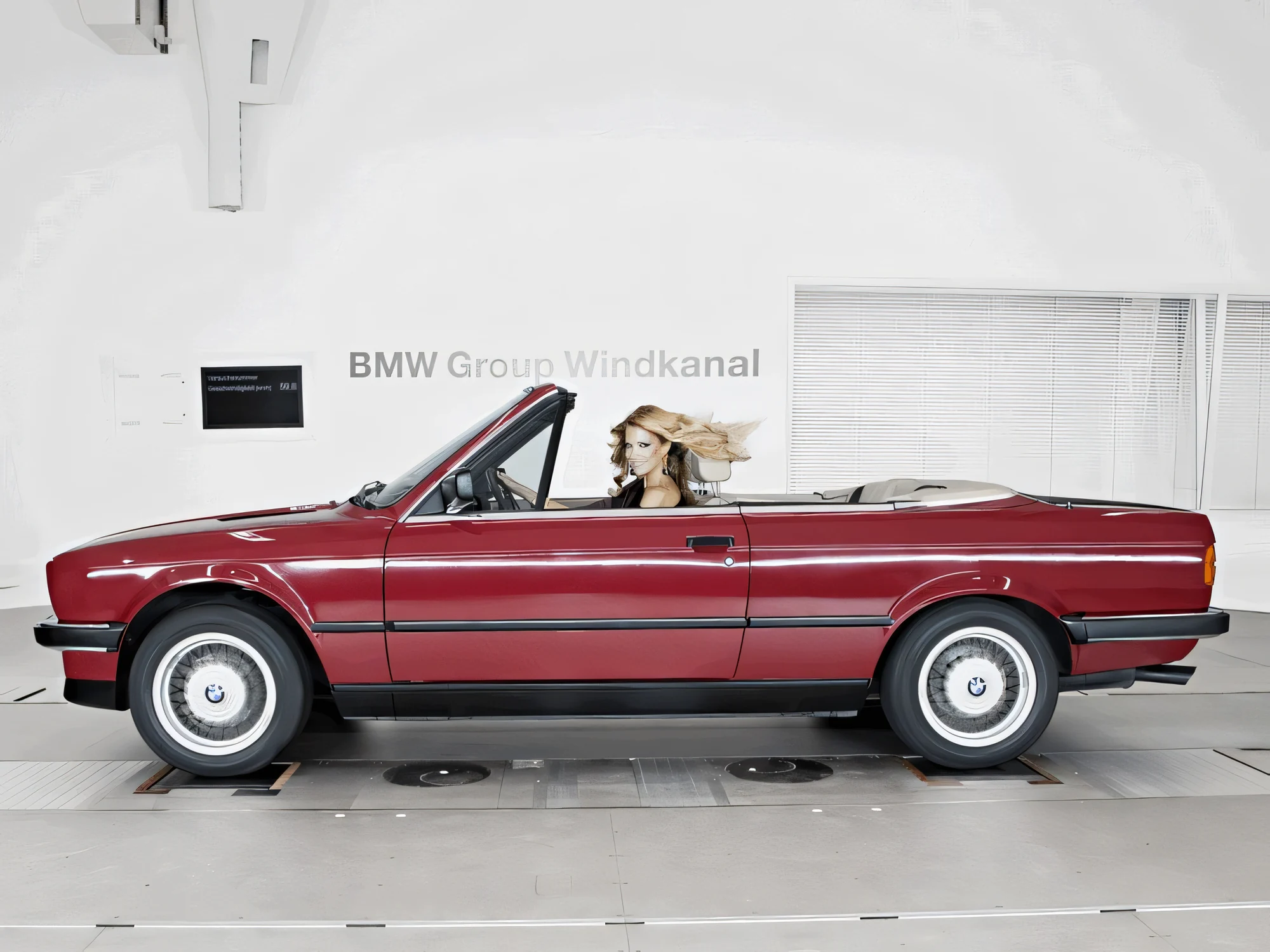
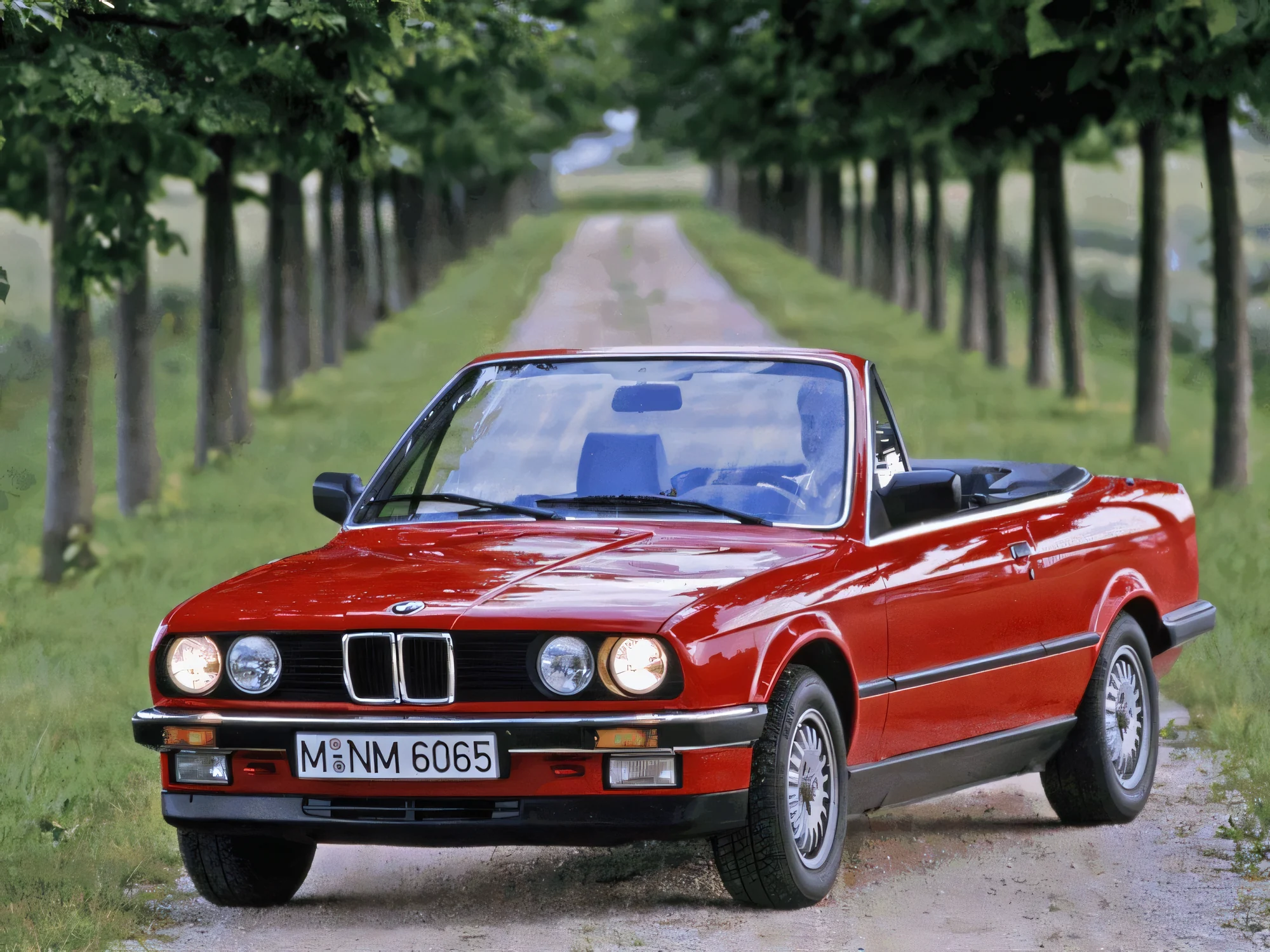
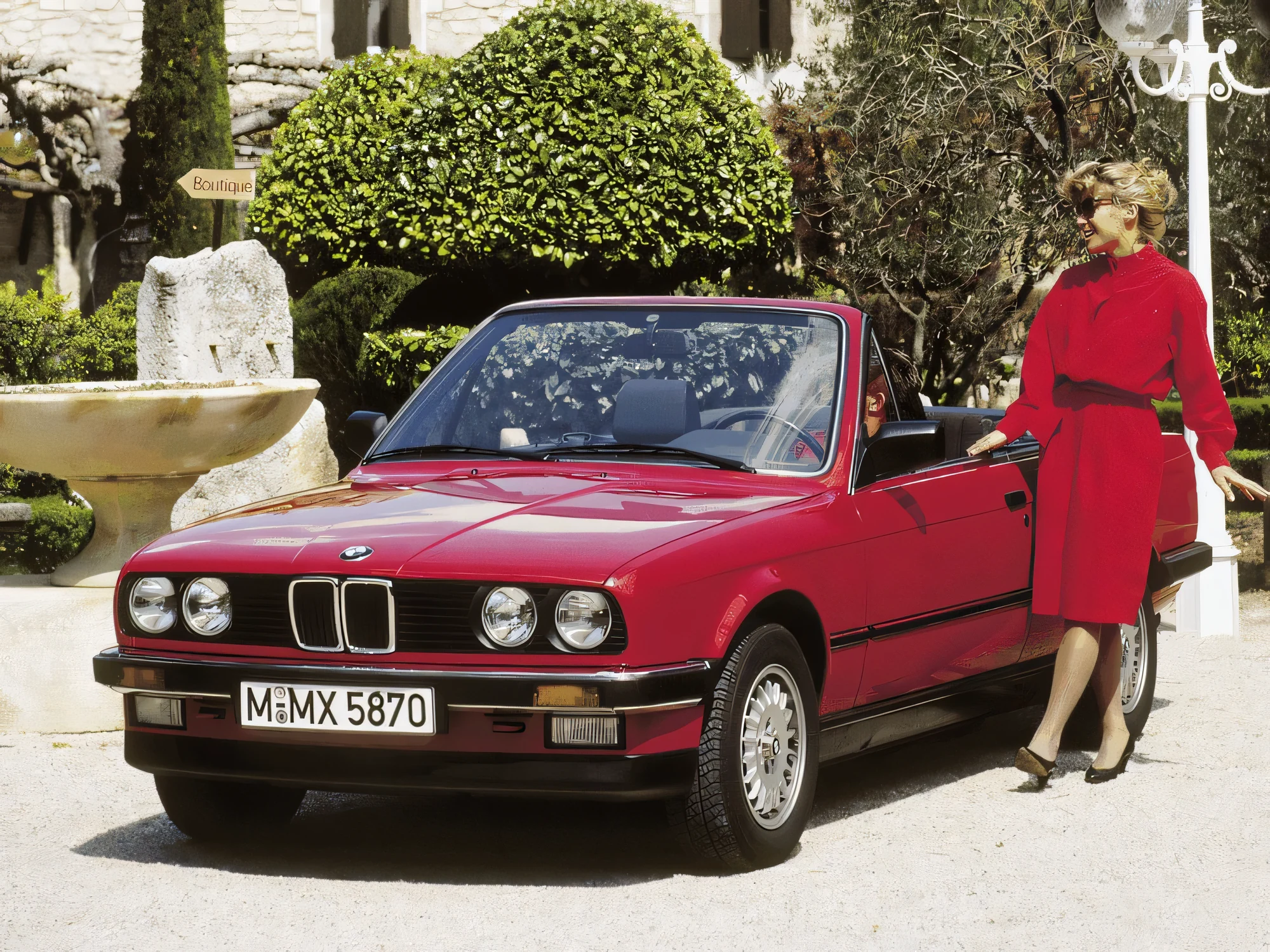
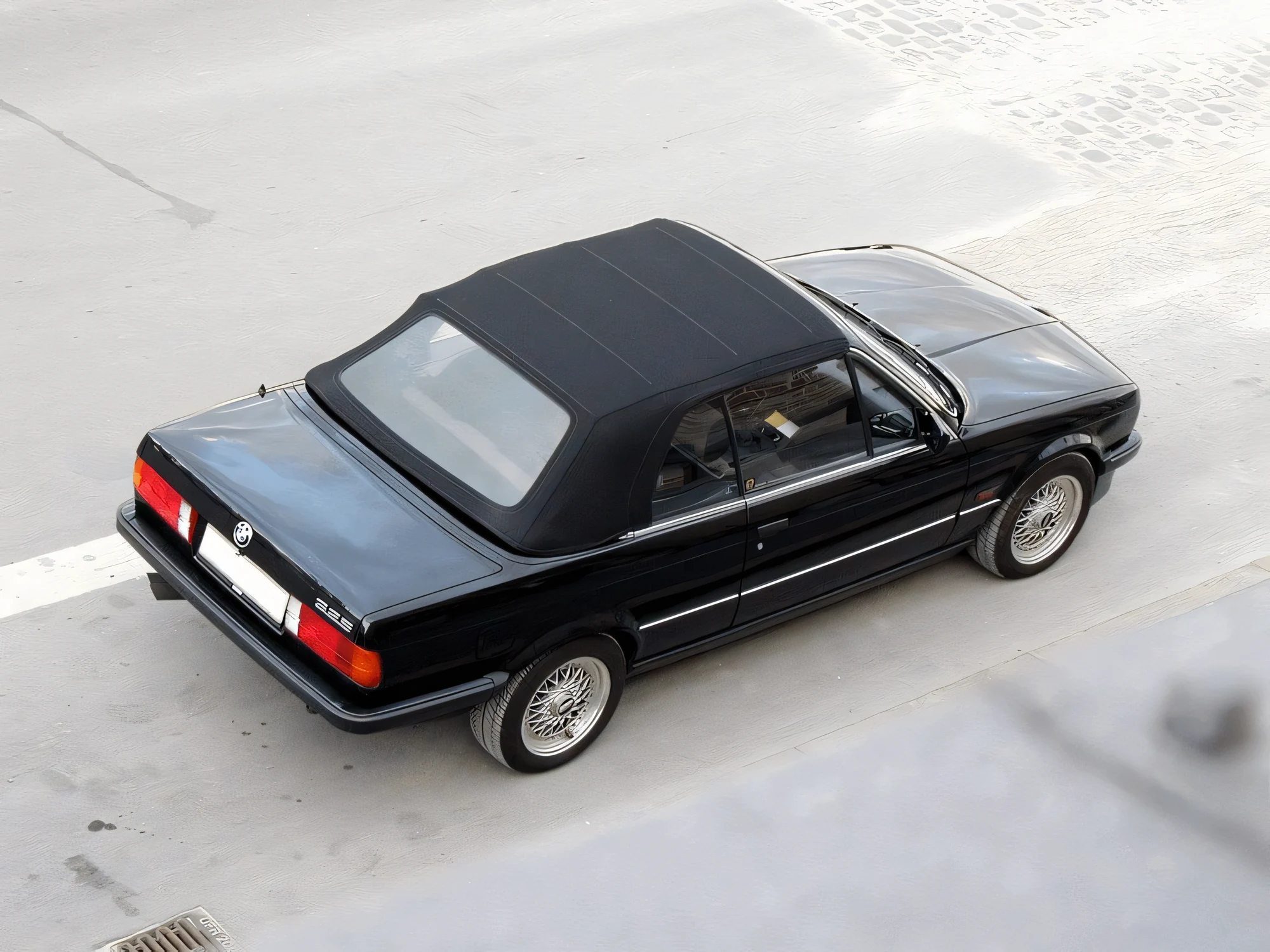
South Africa's own cult car — the 325i the townships named "Gusheshe" and built a motorsport around, plus the BMW SA specials the rest of the world never got.
track2014The year spinning became an official Motorsport South Africa disciplineMotorsport SA
model204333i cars BMW South Africa built — the 'African M3' before the M3Hagerty
spec2.7LThe SA 325iS's engine — the 'eta' block tuned hard, not the Euro 2.5The Citizen / UltimateSpecs
reimaginedR3.5mWhat a 1987 333i sold for at auction — a South African recordCarMag, SA auction
track1,500+Race wins for the E30 M3 — one of the most successful touring cars everBMW Motorsport history
spec0E30 M3s BMW sold new in South Africa — it was left-hand-drive onlyBMW / CarBuzz
Everywhere else, the E30 is a beloved old BMW. In South Africa it's something bigger: the Gusheshe. It's the car the townships named, the car an entire homegrown motorsport spins on, and the car BMW South Africa reworked into machines no other market ever got. This is the E30 as South Africa knows it — and the world doesn't.
South Africa gave the E30 a name — 'Gusheshe' — and a motorsport all its own: spinning.
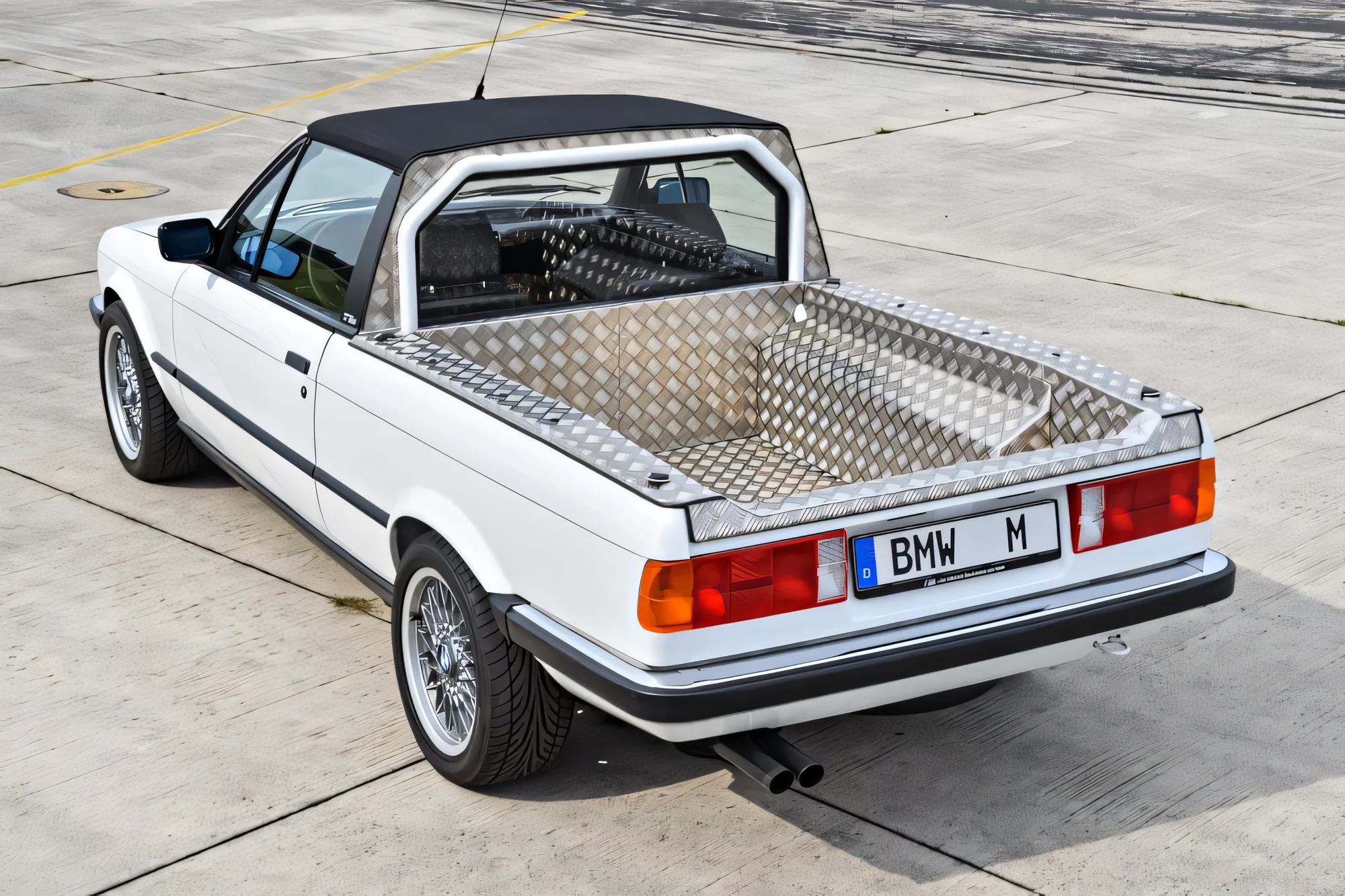
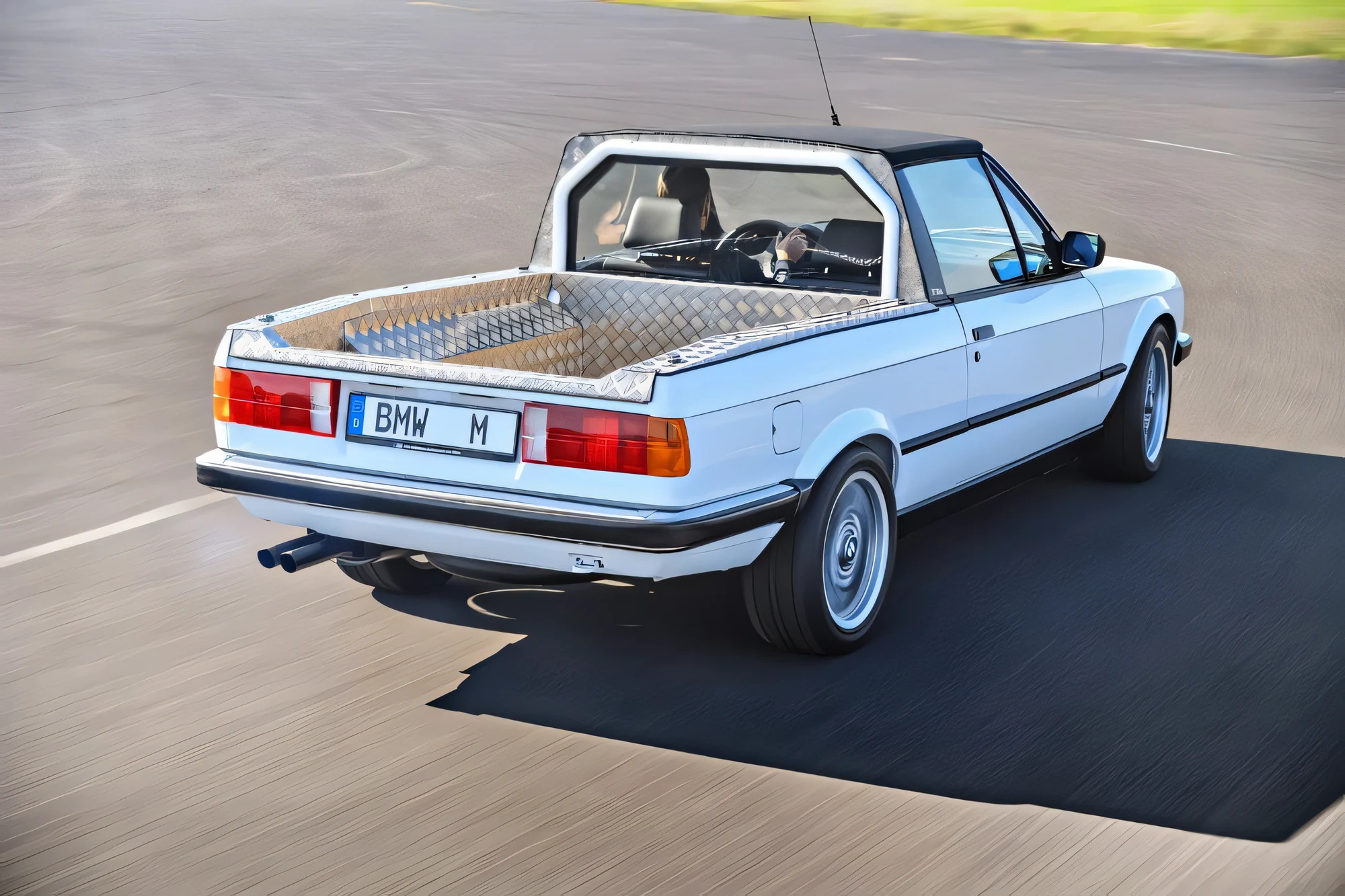
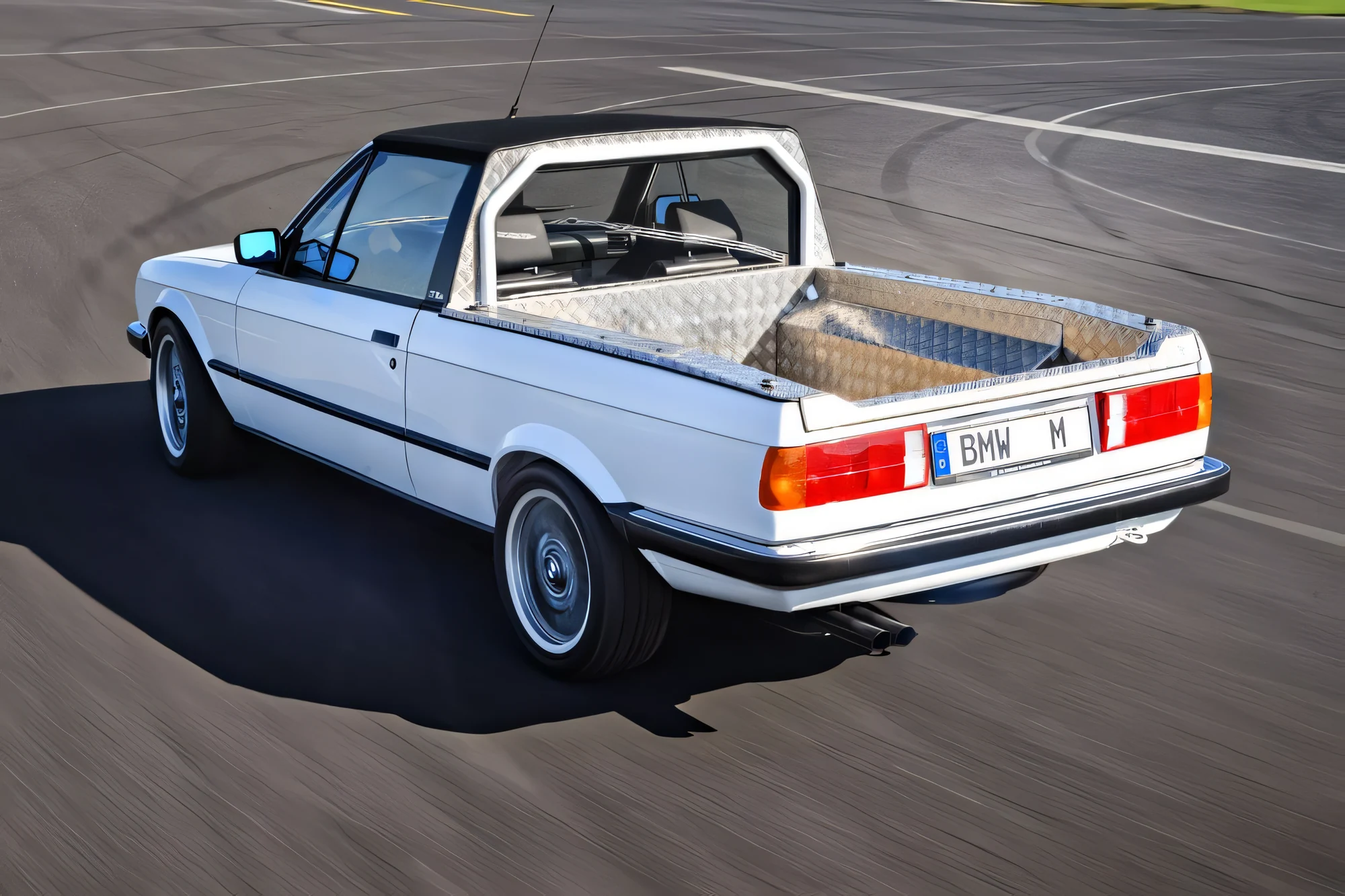
BMW South Africa built two cars the world never got: the 333i and the 325iS Evo.
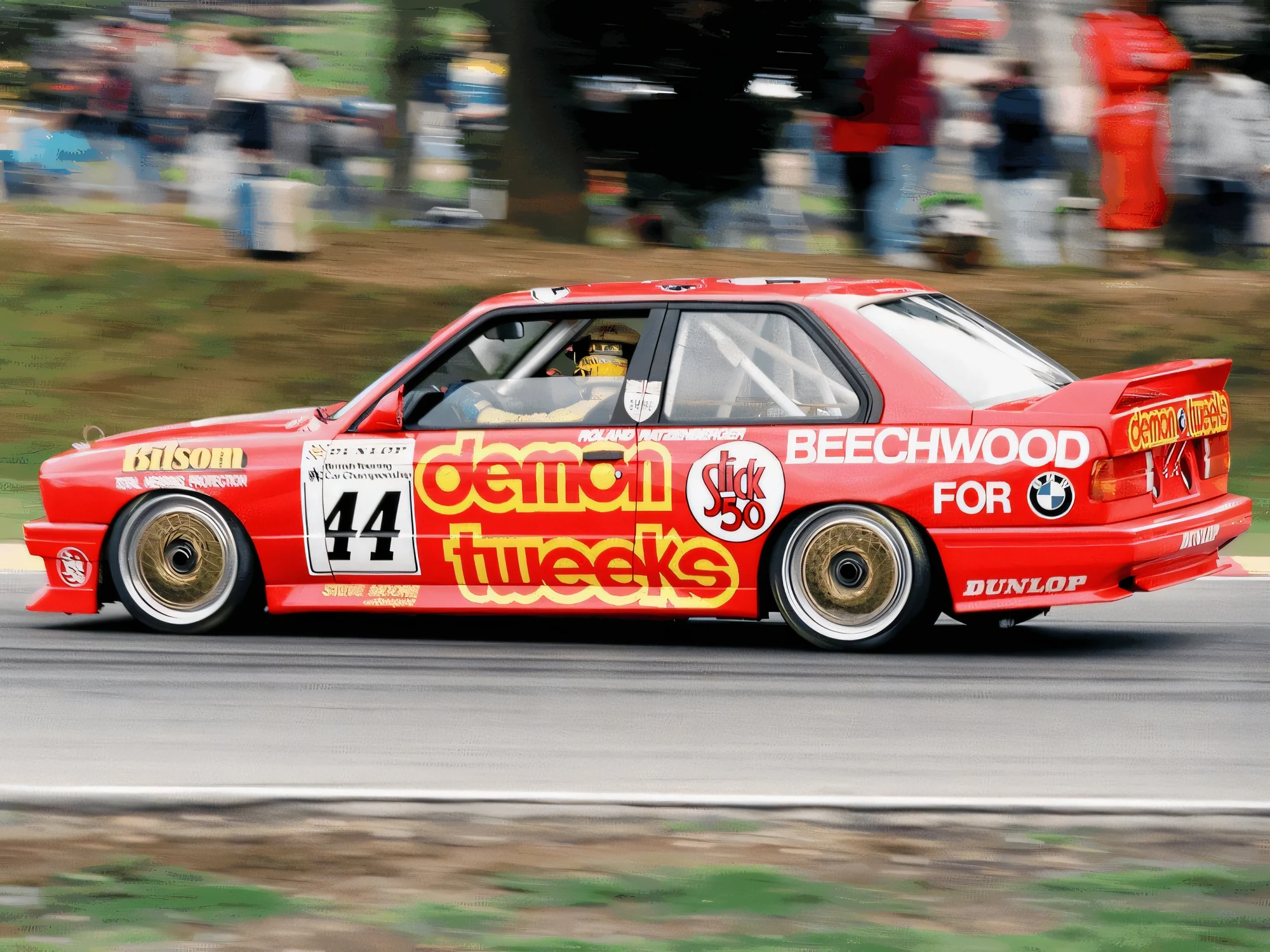
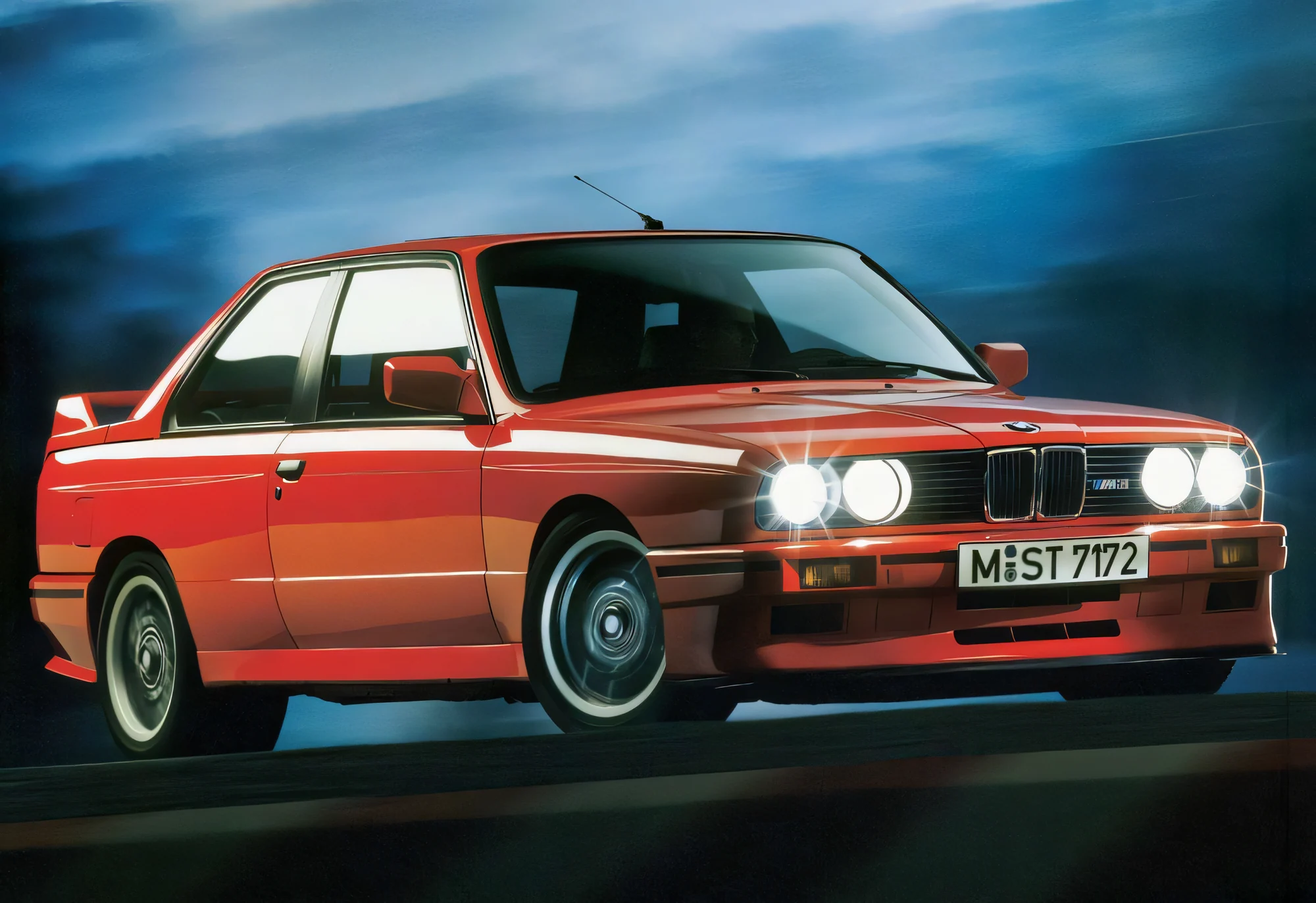
The global halo, the M3, was never sold here — it was left-hand-drive only, so SA built its own.
Everywhere else in the world, the E30 is a beloved old BMW — a clean, light,
rear-drive 3 Series that people restore and cherish. In South Africa it’s
something else entirely. Here it has a name the factory never gave it, a
motorsport built around it, and a pair of local-only specials that make the
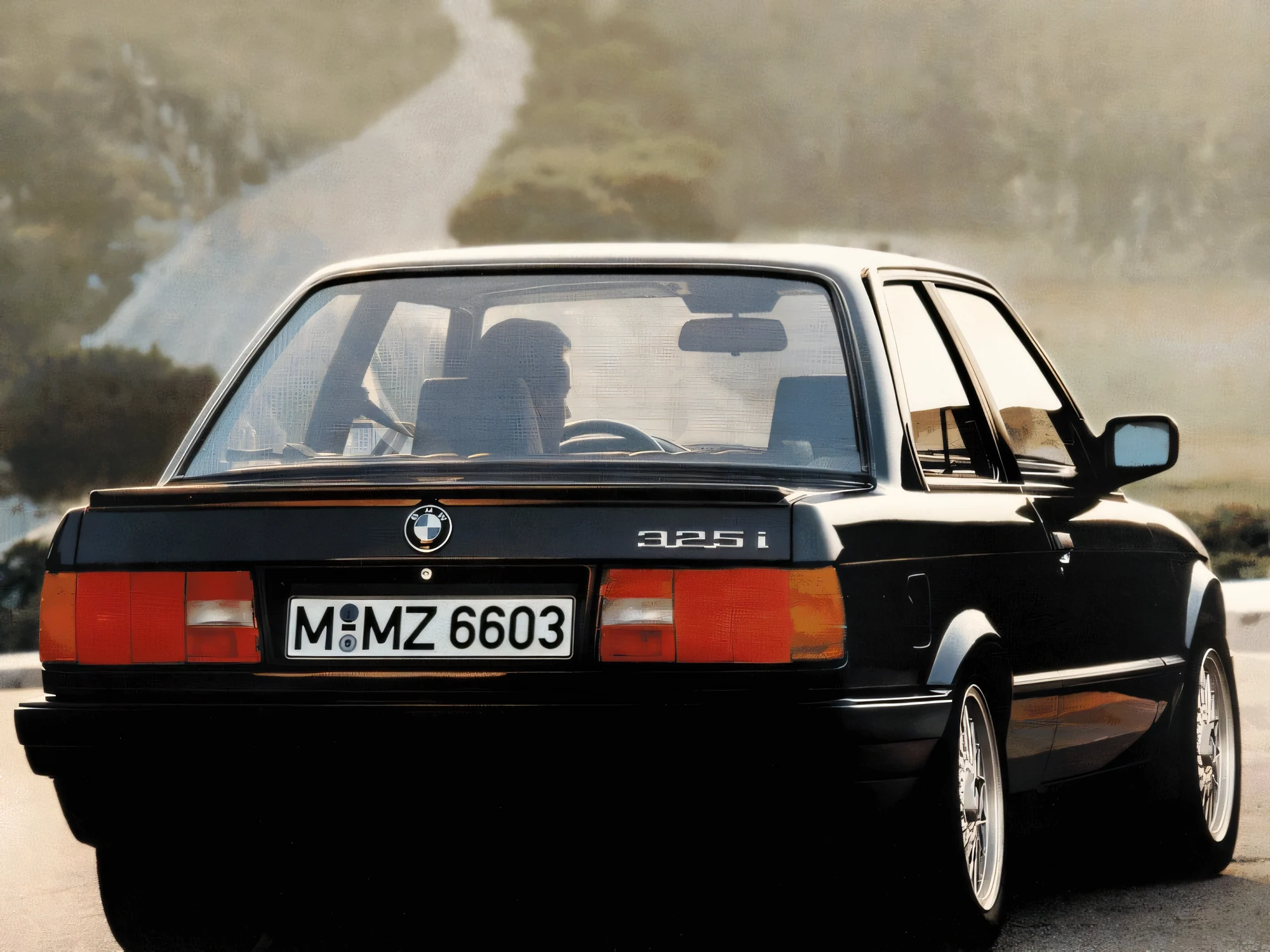
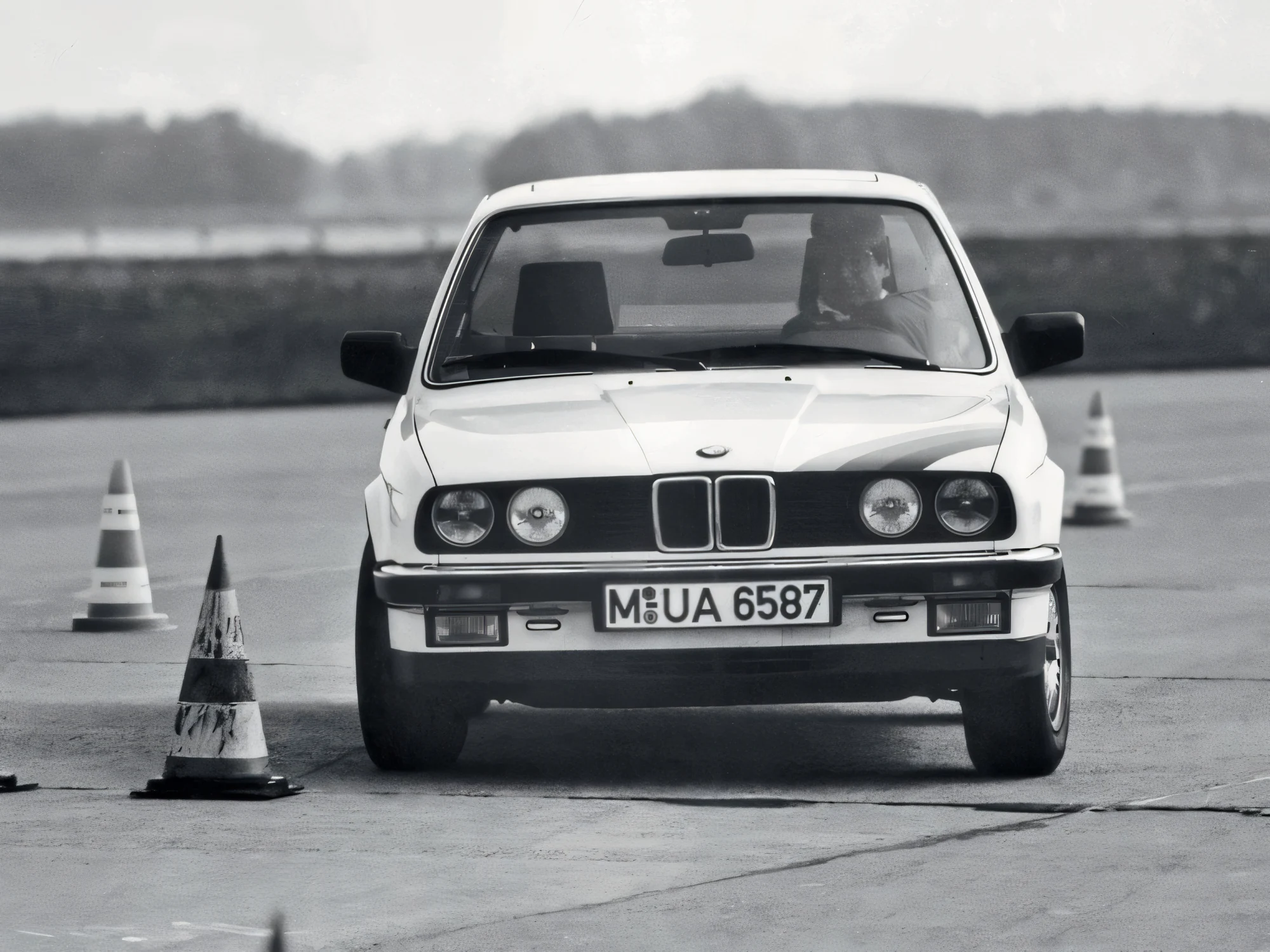
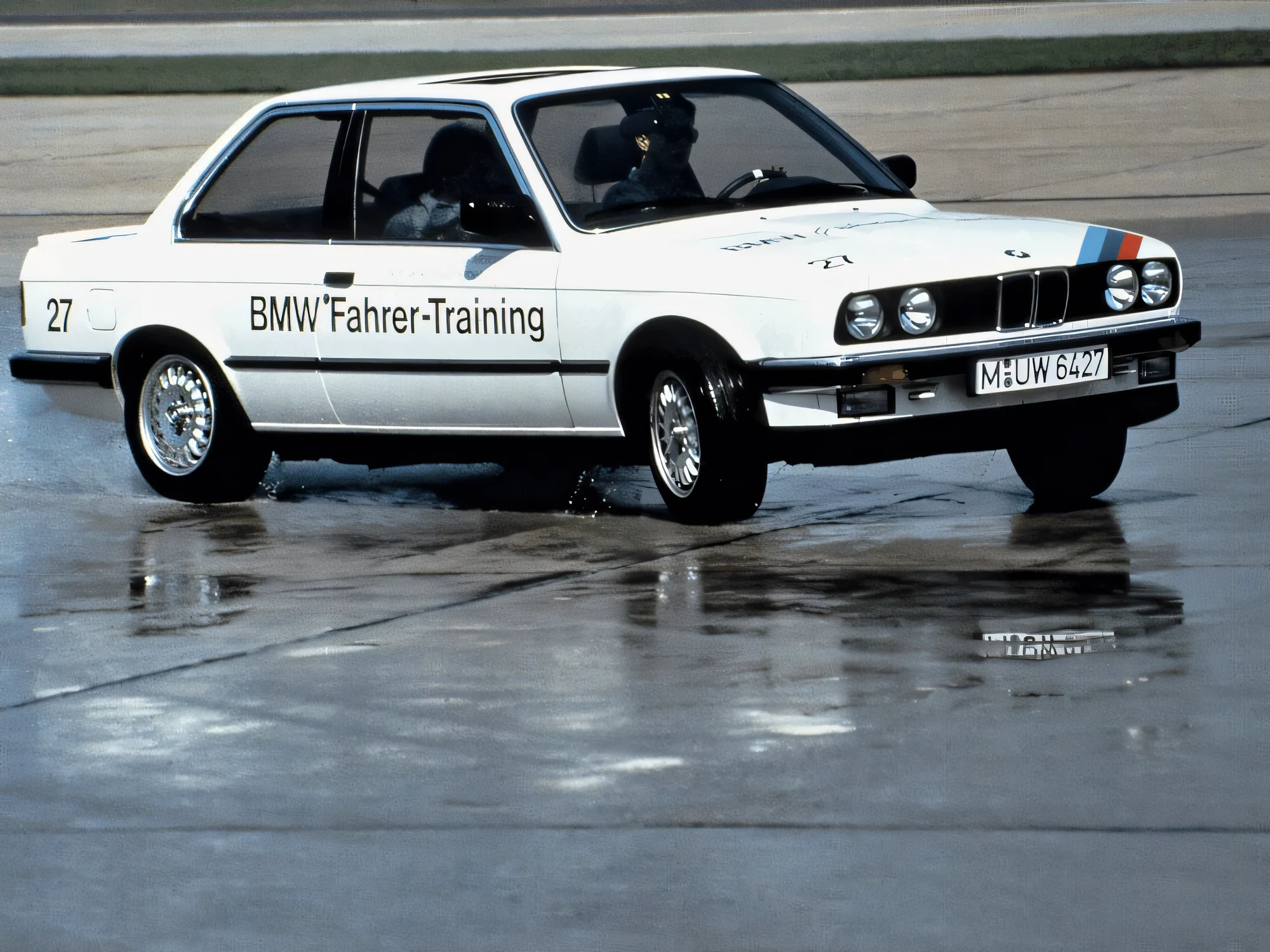
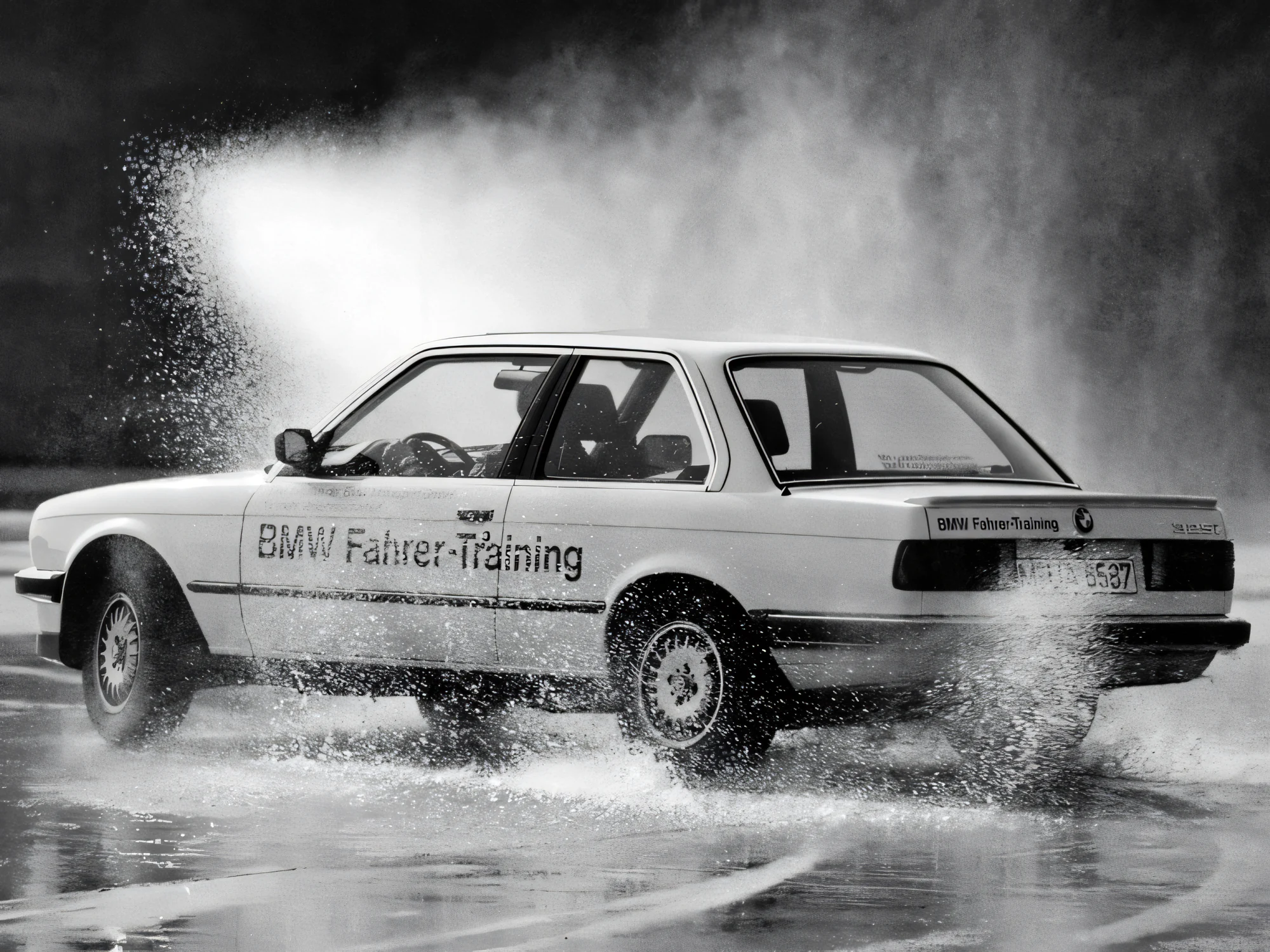
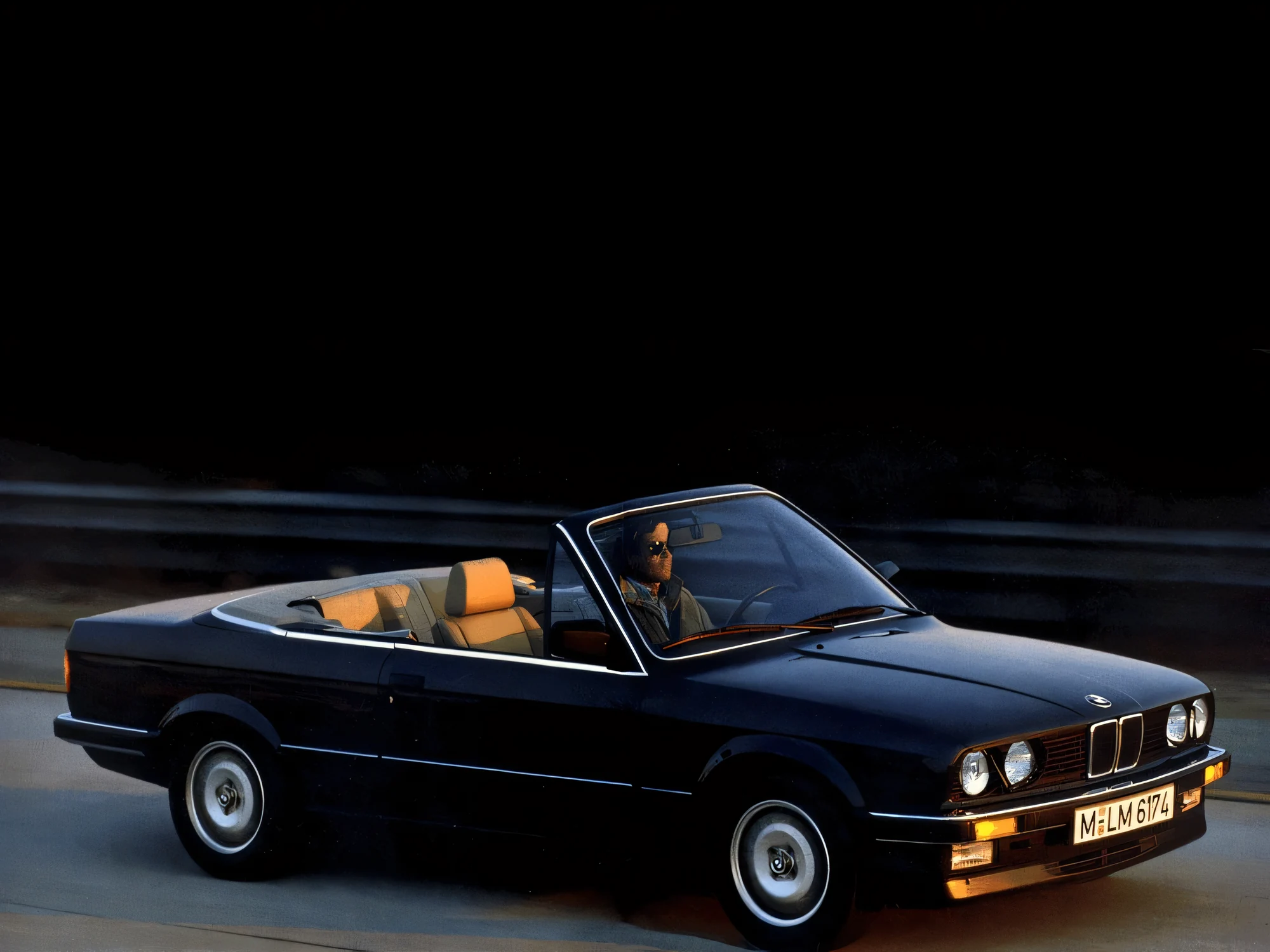
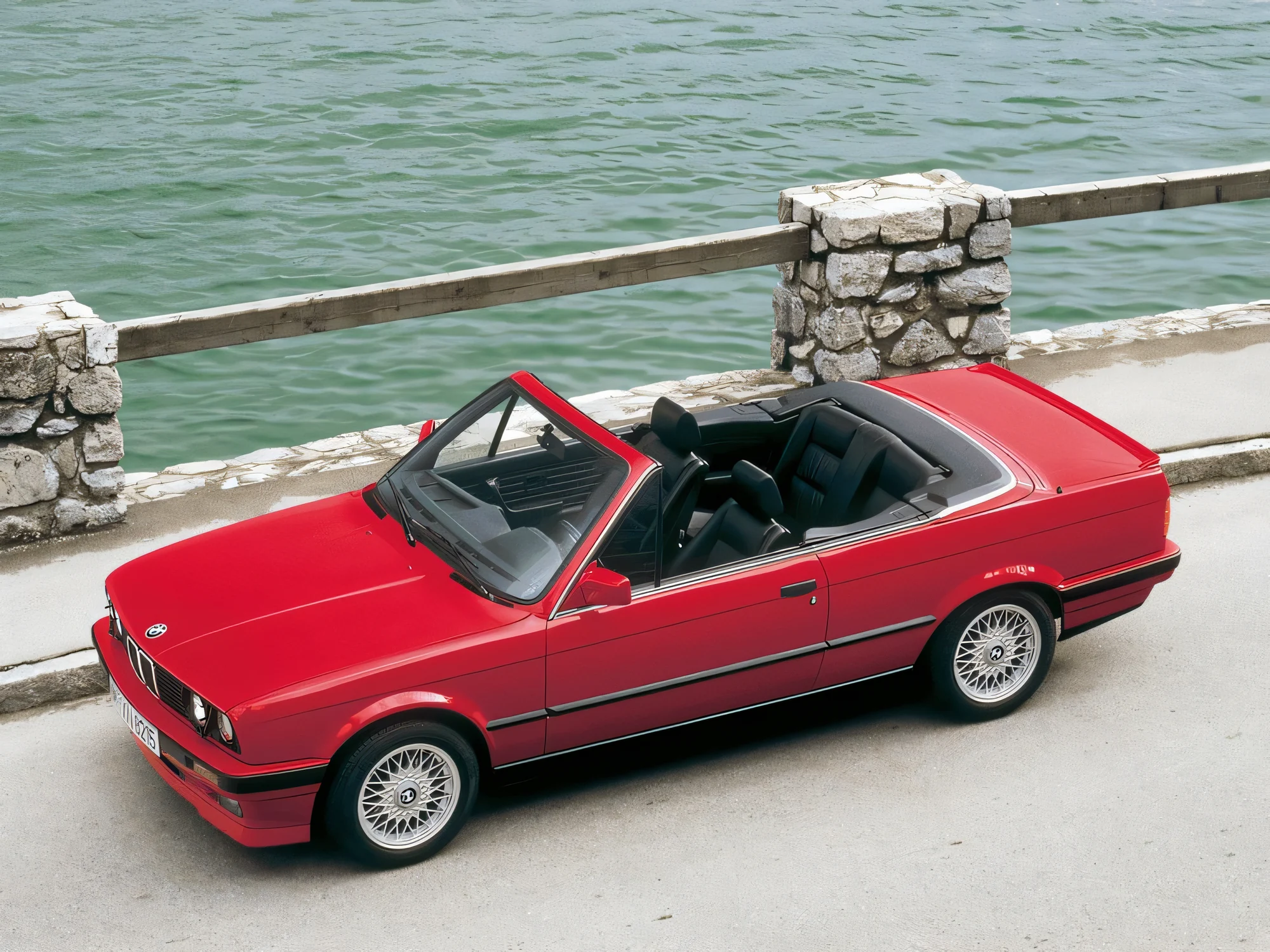
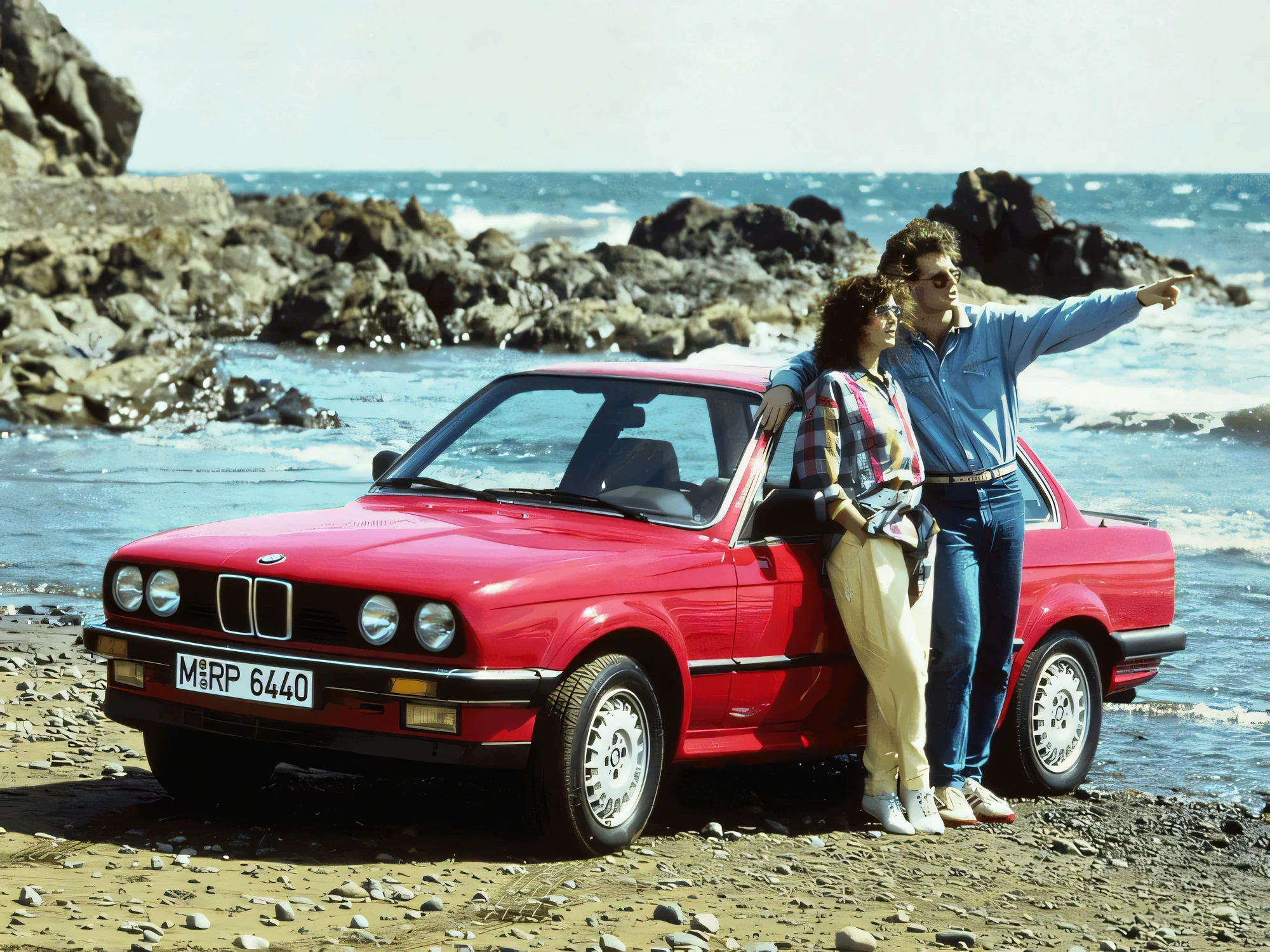
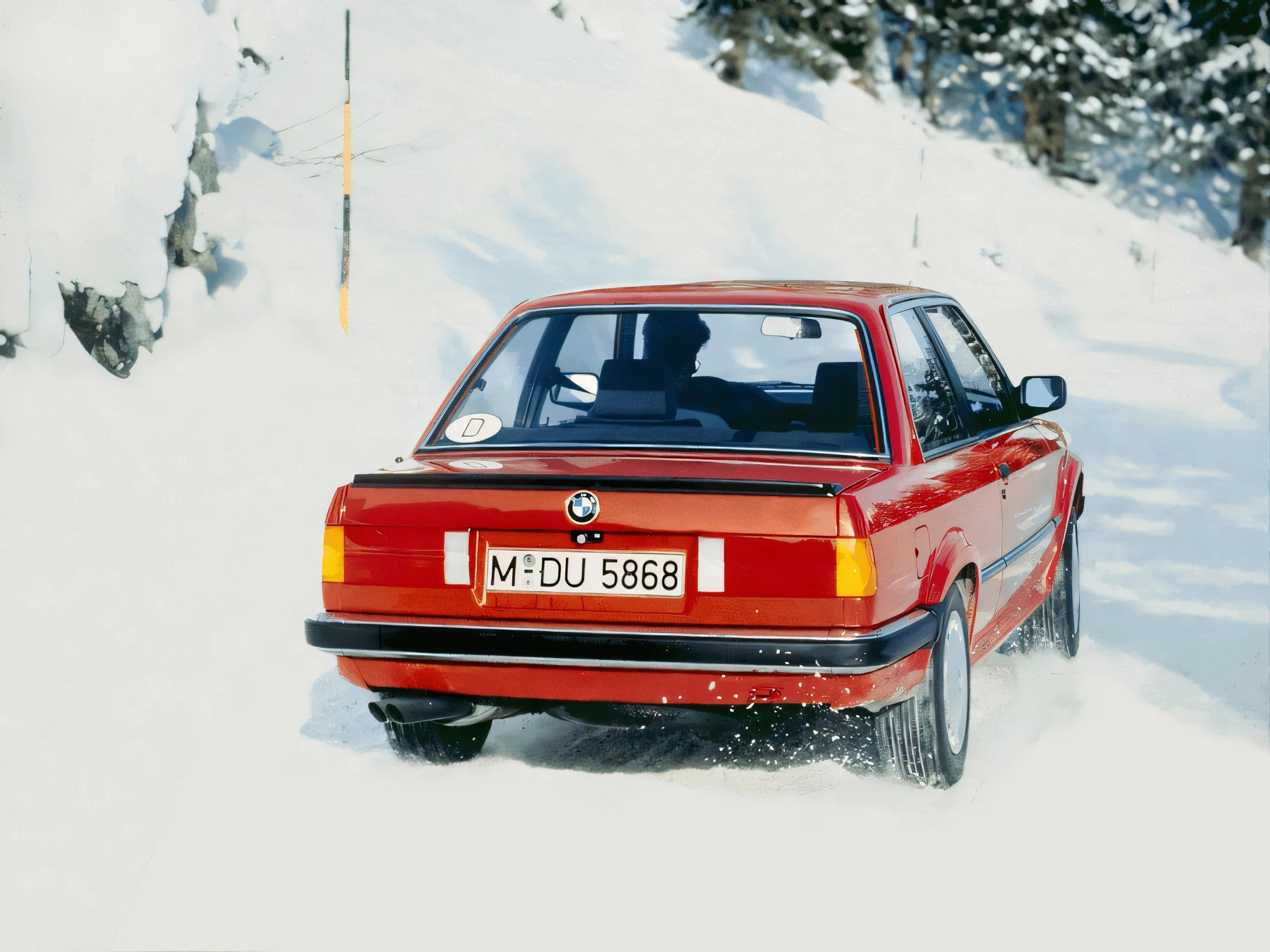
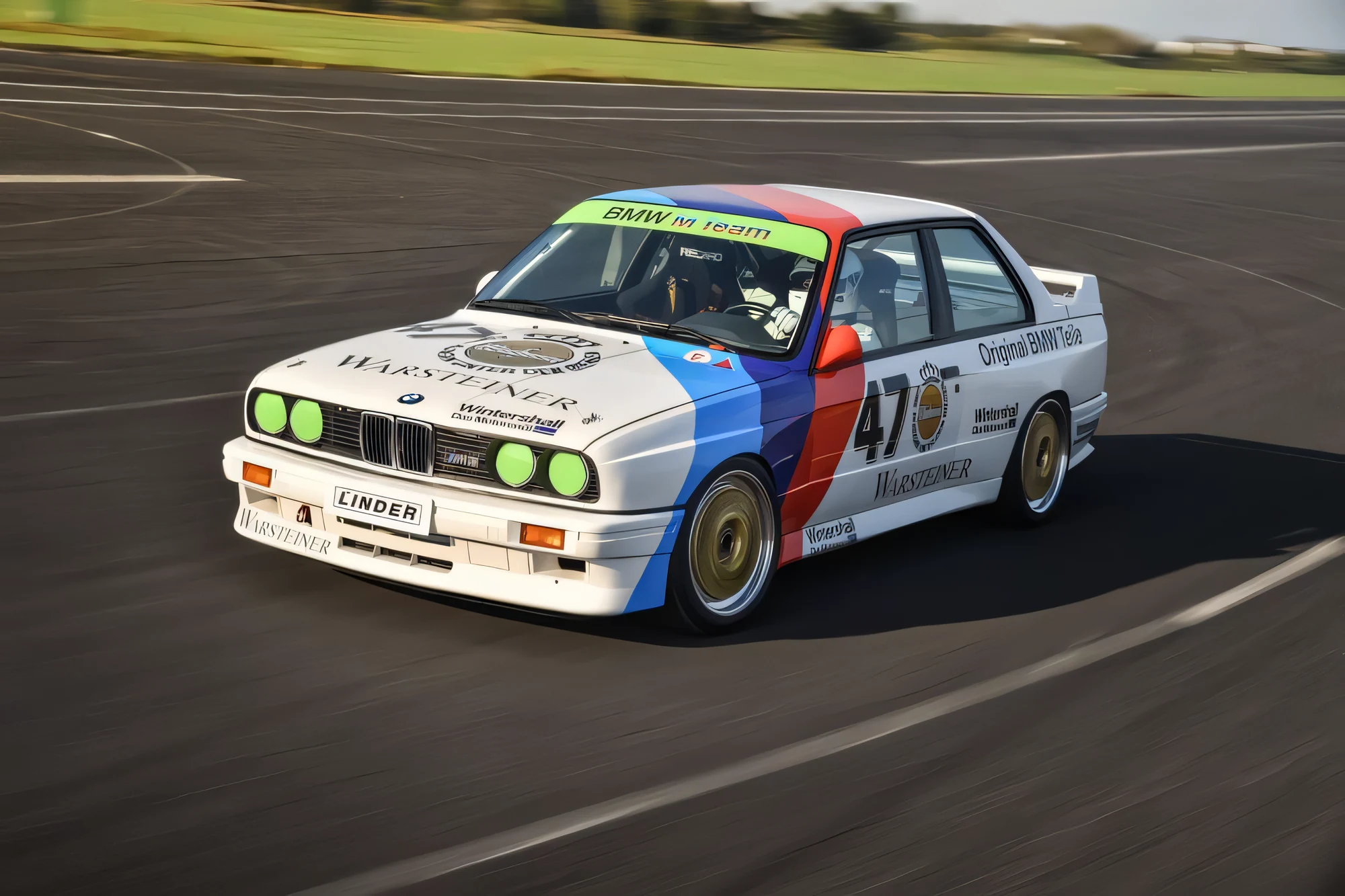
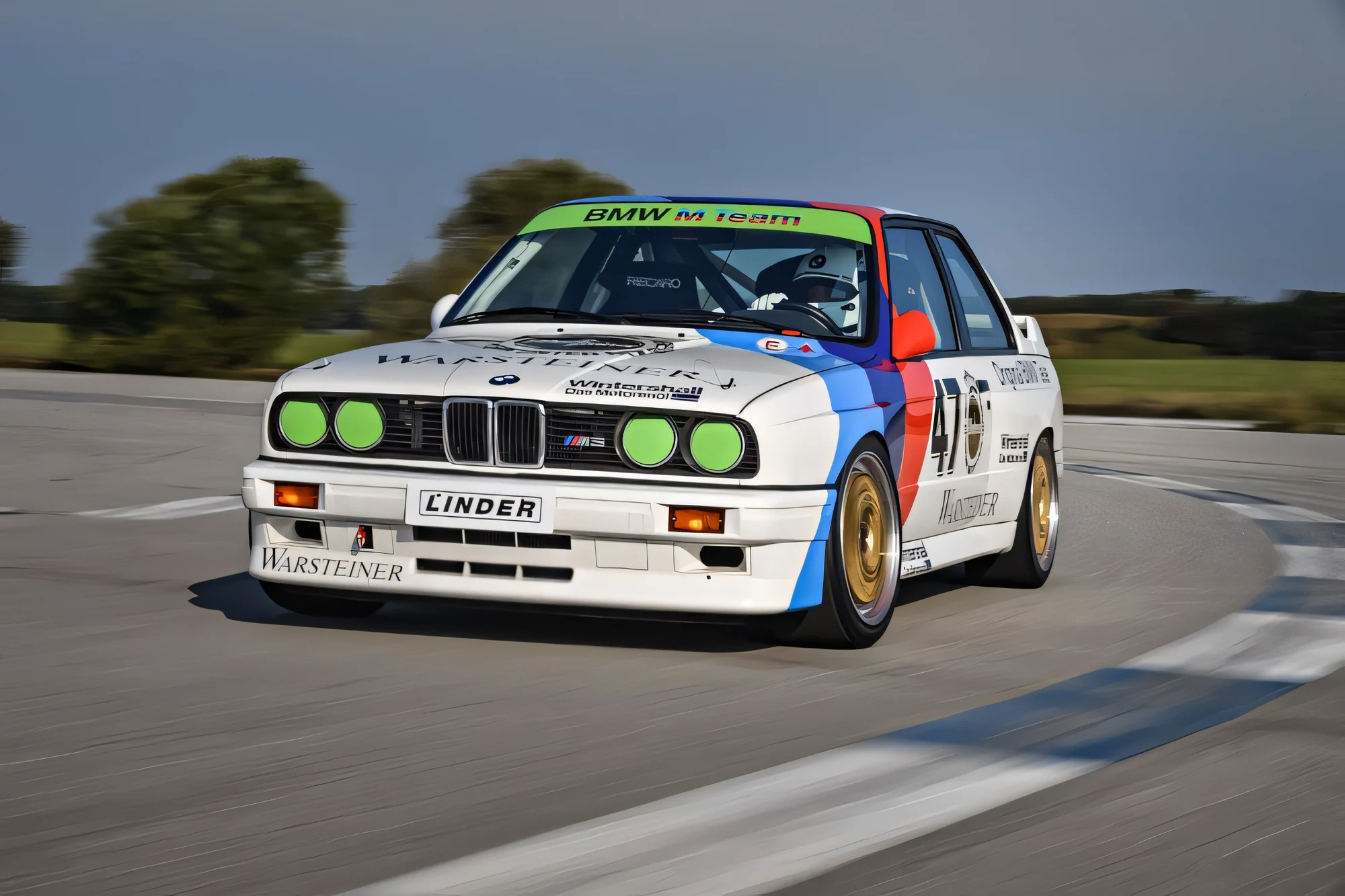
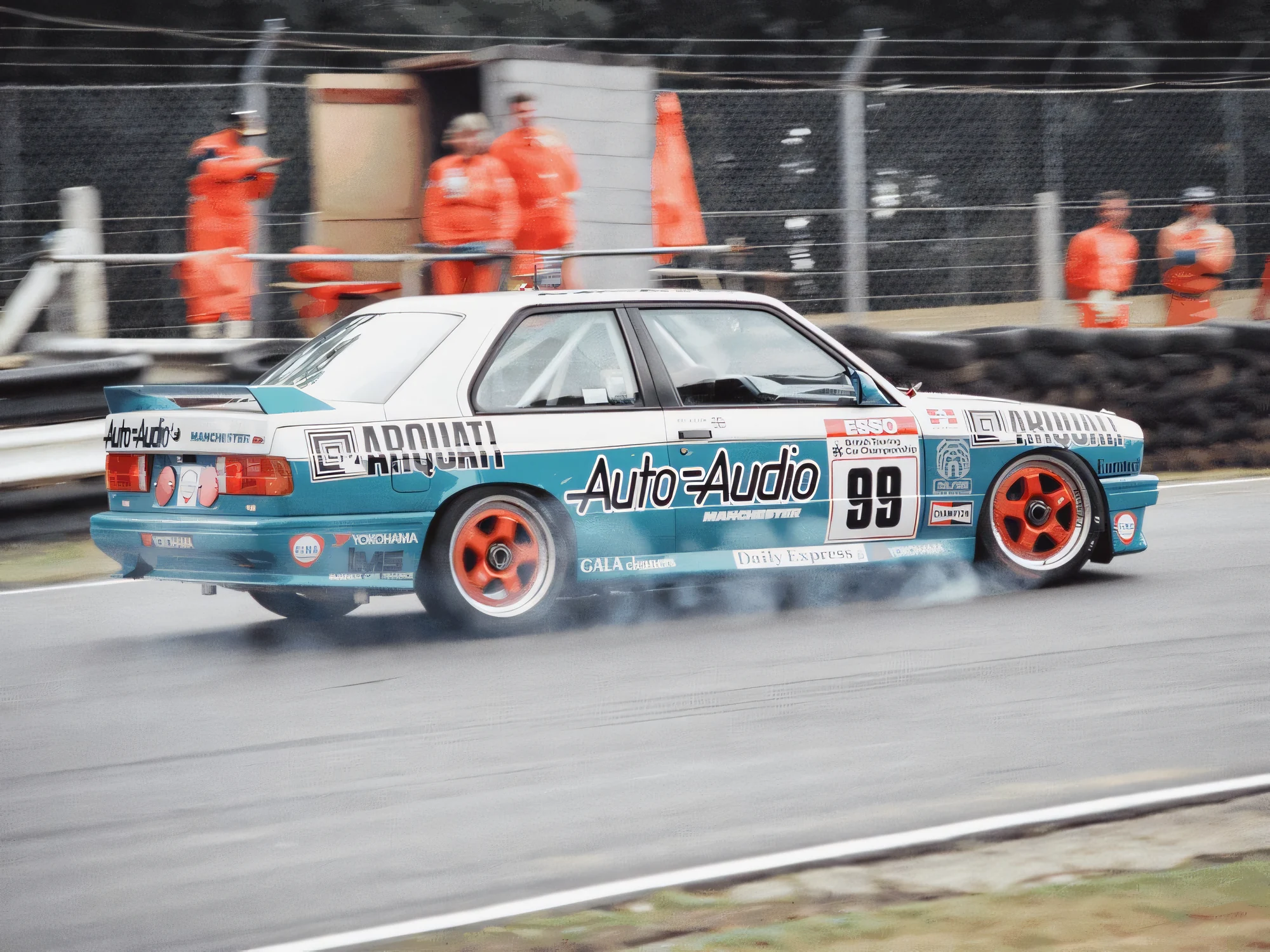
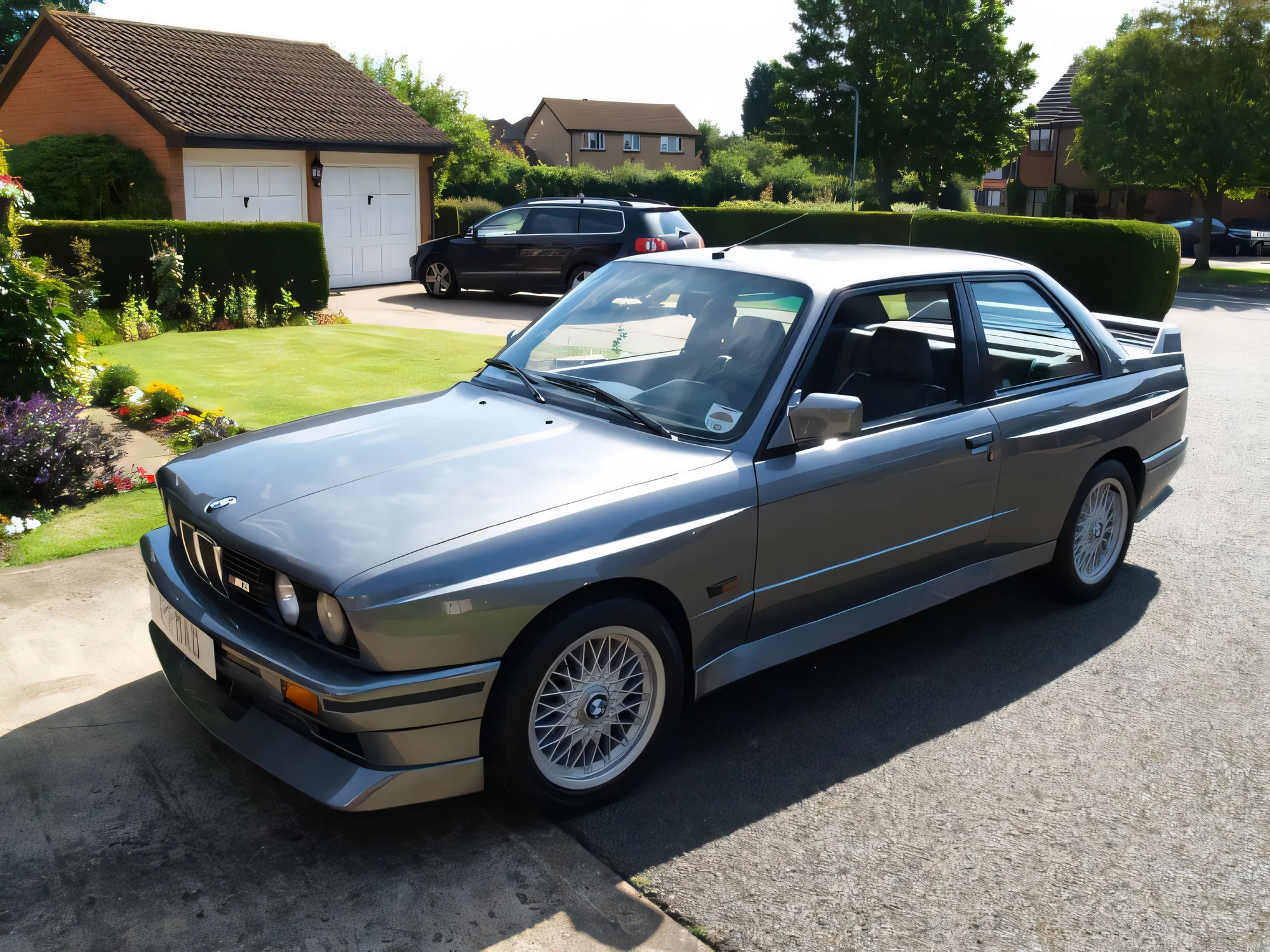
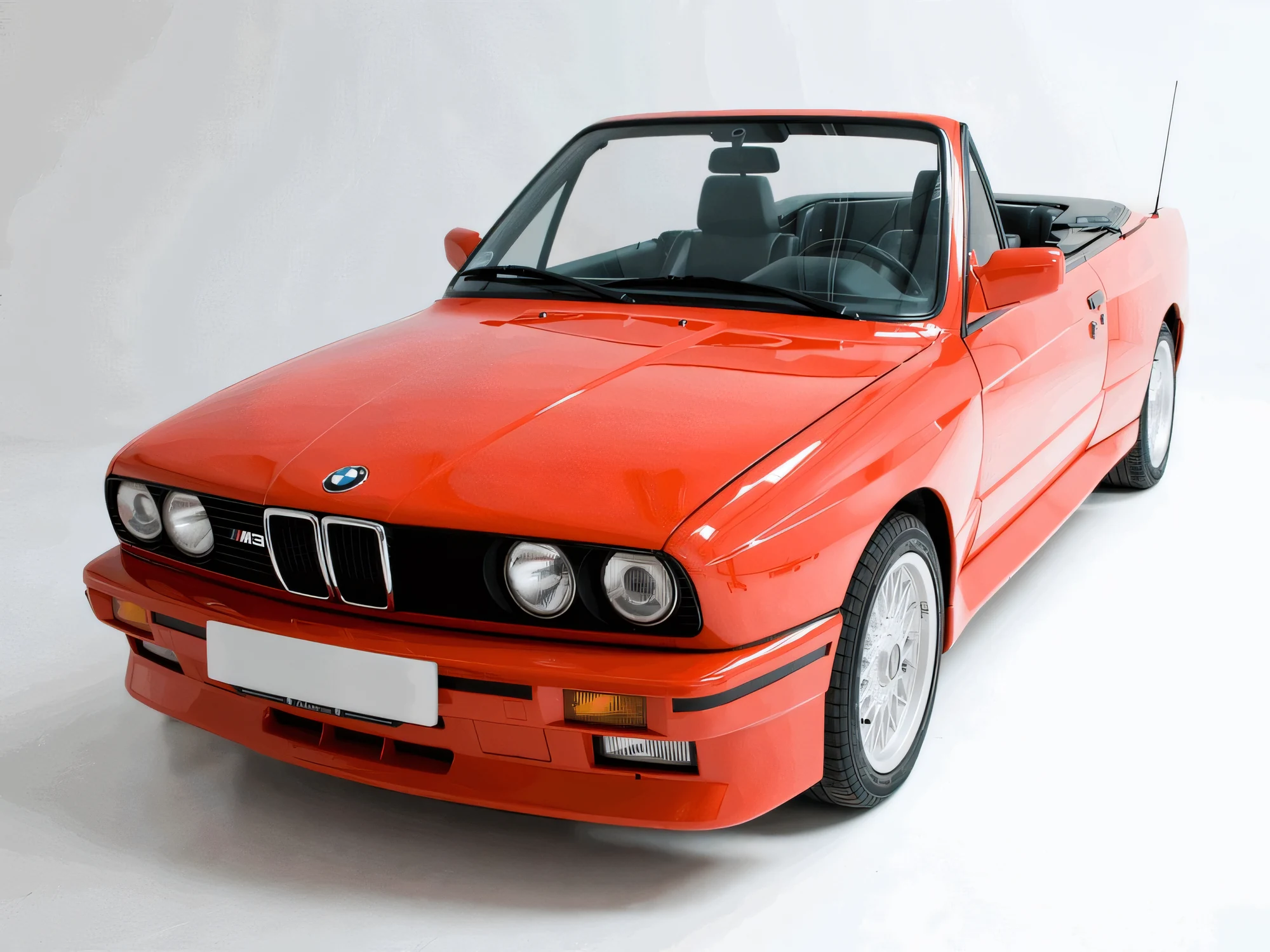
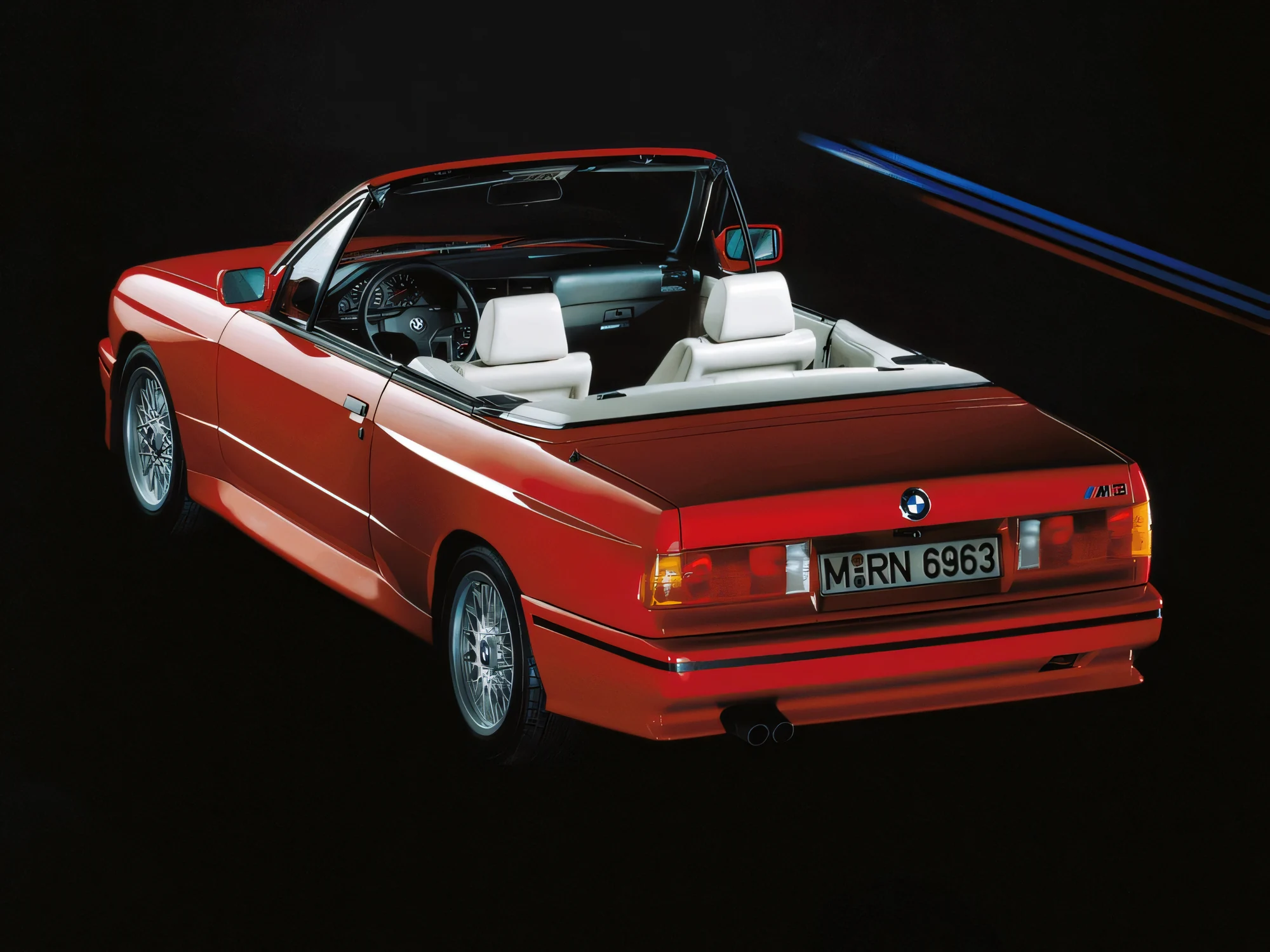
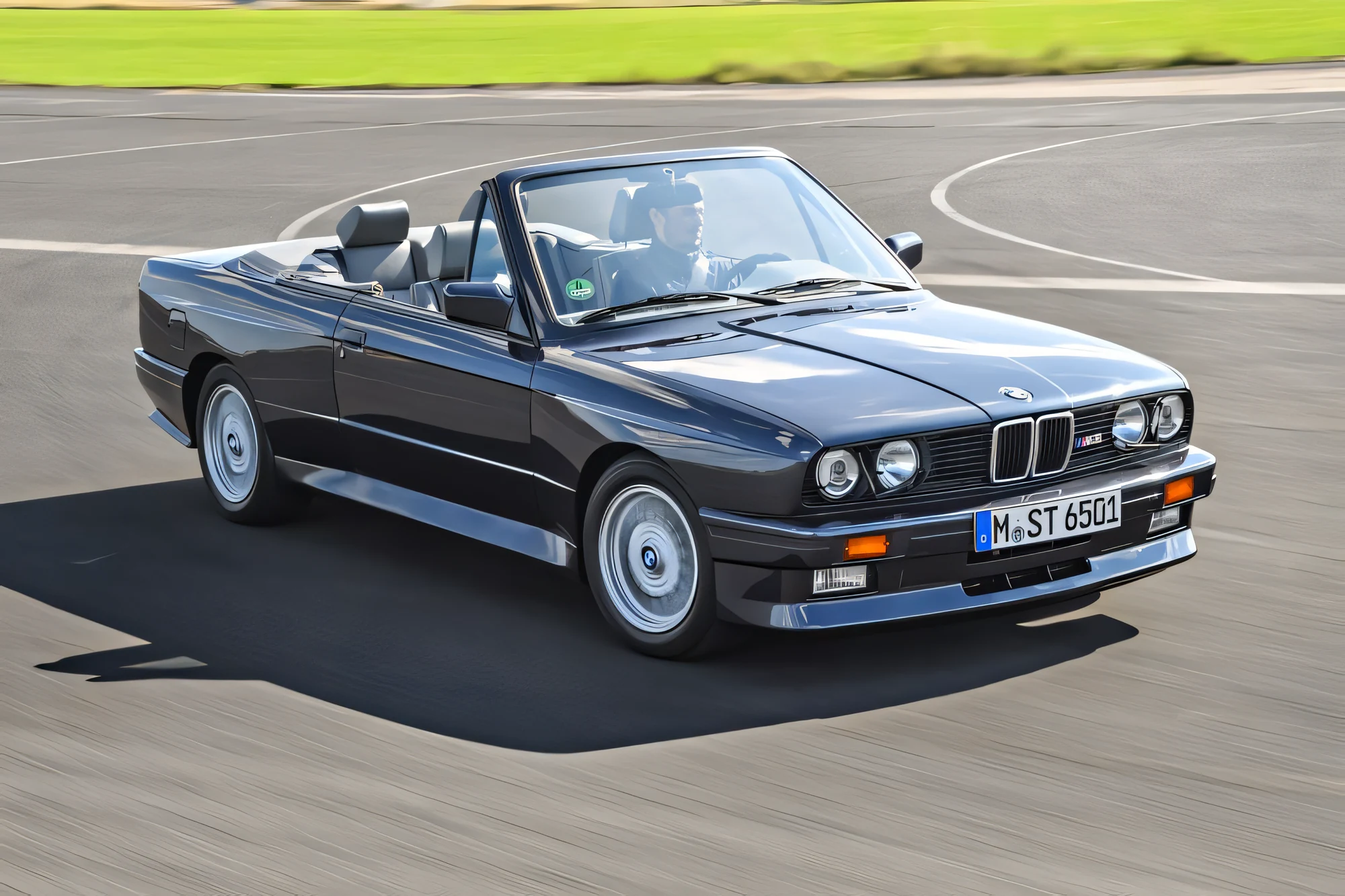
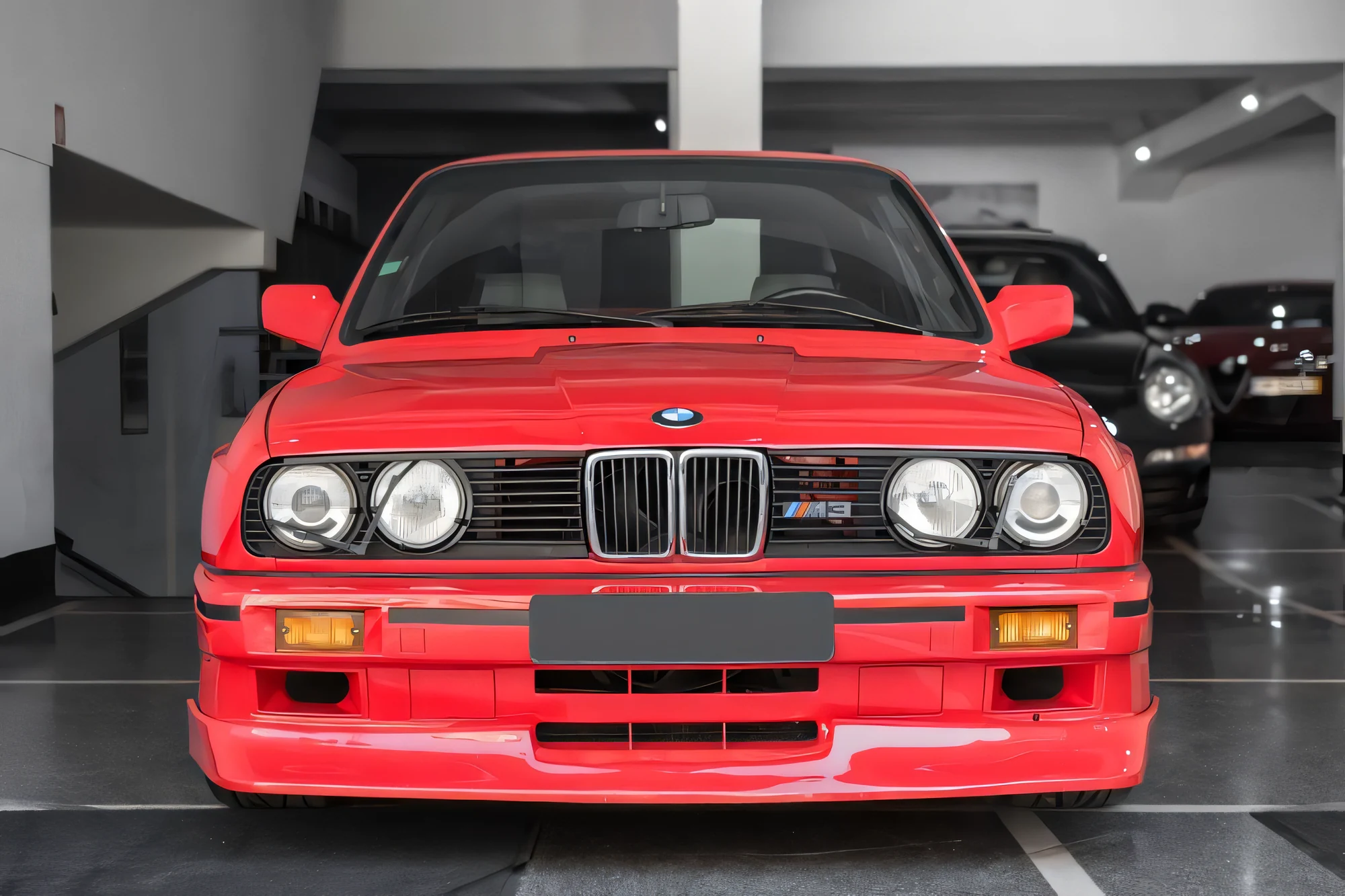
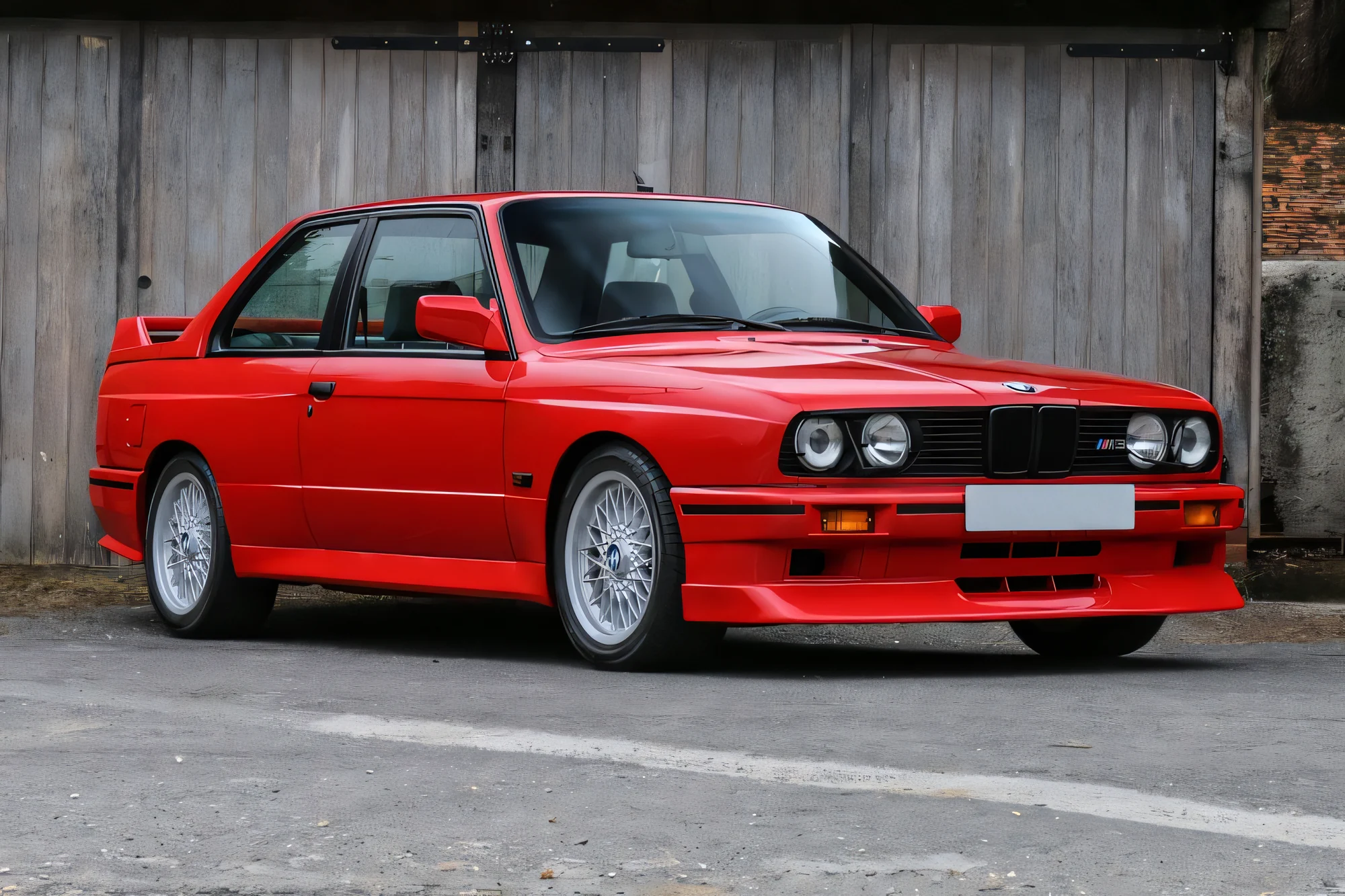
famous M3 look almost ordinary. The gallery above shows the 325i the country
calls the Gusheshe, and the M3 it never officially got.
South Africa’s own E30s
While Germany built the M3, BMW South Africa built its own hot E30s at
Rosslyn — because it had to. The M3 was left-hand-drive only, no use in a
right-hand-drive market, so the local arm engineered replacements. First the
333i: the 3.2-litre “big six” from the 733i crammed into an E30, developed
with Alpina, so tight in the bay that you chose power steering or air-conditioning
but couldn’t have both. Then the 325iS “Evo”, homologated to beat the Opel
Kadett Superboss in local touring cars — and powered, unusually, by a tuned 2.7
built off BMW’s economy “eta” block. Both were made in the hundreds, which makes
them rarer than the M3 and, today, worth a fortune. In 2025 BMW SA thought enough
of them to build modern “Homage” tributes to both.
The chassis everyone builds
The E30 is a foundational drift, track and spinning platform for simple reasons:
it’s light, cheap, rear-drive, beautifully balanced, and shares parts with three
decades of newer BMWs. The default hot-up is a DOHC “M5X” six swap for effortless
190–240-plus horsepower; the ambitious go turbo or V8. South African spinning cars
take a different path — a welded diff and a hydraulic handbrake, built to survive
being held sideways for minutes at a time. What every build shares is the reason
the E30 is loved: a communicative, unforgiving chassis that makes you a better
driver, or embarrasses you trying.
Owning one now
For once, the “owning it in South Africa” story is a happy one — this is a home
car, not a grey import. Standard 325i Gusheshes are still out there and still
(just) attainable, though prices climb every year as the cult goes mainstream. The
specials are another matter: a good 325iS Evo is past a million rand and a 333i is
several, so those are collector purchases now, not project cars. Buy on rust and
history — these are forty-year-old cars — find a BMW specialist who knows the M20,
and whatever you do with it, remember what it is here. It’s the Gusheshe.
BMW 325i E30 Coupe (1983) · Manufacturer press
South Africa's own motorsport
Gusheshe: the car a subculture was built on
In 1980s Soweto and on the East Rand, a whole subculture grew up around one car: the rear-drive BMW 325i, known in the townships as the Gusheshe — most often traced to the isiZulu sense of 'the fast one'. Spinning it — holding it in tyre-smoking doughnuts, frequently while hanging out of the door or standing on the roof — became a language of showmanship, and by widely-told accounts a way to honour the dead.
For years it lived outside the law and the mainstream. Then in 2014 Motorsport South Africa recognised spinning as an official discipline — sanctioned arenas, licences, safety rules — and a township ritual became a national sport. Red Bull now runs a pro series for it, and the country's sports minister is a former spinner.
No other car does this. The 325i is the spinner's car because it's rear-drive, simple, tough and everywhere — and because in South Africa it was never just a BMW. It was, and is, the Gusheshe.
How it gets modified
The modifications that actually get done — what each does, roughly what it gains, roughly what it costs.
Spinning
The spinner's spec
A welded or locked differential so both rear wheels spin continuously, a hydraulic handbrake, a stripped interior and hard-wearing everything — because the car is held at full lock for minutes and often driven from outside the cabin. The 2.7 M20 (or a swapped six) plus a welded diff is the archetype.
Endless smoke, total controlThe SA build
The swap
M5X / S5X six swap
The canonical E30 upgrade: drop in an M50/M52 — or the M3's S50/S52 — DOHC six for ~190–240+ hp in a sub-1,300 kg car, on a well-trodden near-bolt-in path. Same 50:50 balance, twice the shove.
240+ hp, still 50:50The go-to build
Big smoke
Turbo M50 / V8 / LS swap
For bottomless, effortless slides: a turbo M50 or a V8/LS transplant. Overkill for grip, perfect for a life measured in tyre smoke.
Endless torqueFabrication money
Chassis
Coilovers, bushings, brakes
The E30's semi-trailing-arm rear and near-50:50 balance are the whole appeal. Refresh forty-year-old bushes, fit coilovers and bigger brakes, and a communicative, honest chassis comes alive — it rewards precision and punishes laziness.
The chassis, sharpenedRefresh money
Keep it real
The honest 325i
With values climbing, plenty of owners leave the Gusheshe alone: healthy M20 six, a proper service, good tyres, and drive it. The cult car doesn't need much to be a great one.
A rising classic, enjoyedRestraint
Every frame
The whole set — tap any to blow it up.
The progression
The numbers that actually changed, generation by generation.
Power — the everyman and the specials
The everyday Gusheshe made ~125 kW. BMW South Africa's home-built specials — and the M3 they were built to rival — clustered at 145–155 kW, serious for a light rear-drive car in period.
325i
125 kW
M20 2.5
333i
145 kW
SA · M30 3.2
M3
147 kW
S14 2.3
325iS Evo II
155 kW
SA · M20 2.7
Rarer than the M3 — the SA specials
The M3 is the famous one, made in the thousands. BMW South Africa built its specials in the hundreds — a 333i is rarer than an M3, and most people outside SA have never heard of it.
333i
204 built
1985–87
325iS (both Evos)
508 built
1990–92
E30 M3
17,970 built
global
What they're worth now (Rand)
Auction-verified for the specials; the standard 325i figure is indicative. The SA-built cars have become collector gold — a 333i topped R3.5m, and clean 325iS Evos trade past R1.3m.
325i driver
300,000 R
indicative
325iS Evo
1,500,000 R
auction
333i
3,500,000 R
SA record
The spec sheet
Specs by generation — pick an era.
325i 'Gusheshe' · 1982–1991
Engine
2.5L M20 'small six'
Power
~125 kW (170 PS)
Layout
Rear-wheel drive, near 50:50
SA name
Gusheshe — 'the fast one'
Why it matters
The car South African spinning is built on
333i · 1985–1987 · SA-built
Builder
BMW South Africa (Rosslyn), with Alpina
Engine
3.2L M30 'big six' — from the 733i
Power
~145 kW (197 hp) · 285 N·m
0–100 km/h
~7.4 s
The quirk
Power steering OR air-con — not both (the six filled the bay)
Built
204 customer cars — the 'African M3'
325iS 'Evo' · 1989–1992 · SA-built
Builder
BMW South Africa (Rosslyn), Alpina-tuned
Engine
2.7L M20 — the '525e eta' block, tuned (NOT the Euro 2.5)
Evo I (1990)
~145 kW · aluminium panels, M3 suspension
Evo II (1991)
~155 kW (~210 hp) · body kit, splitter
Built for
Group N racing — to beat the Opel Kadett Superboss
Won
1993 Group N Class A — 20 of 24 races
M3 · 1986–1991
Engine
S14 2.3L 16v four — ~200 hp
Purpose
Group A homologation — 5,000 road cars in 12 months
Record
1987 World Touring Car title, DTM crowns, 1,500+ wins
South Africa
Left-hand-drive only — never sold new here
SA's answer
The 333i, then the 325iS Evo
Straight answers
What does "Gusheshe" actually mean?
It's South African township slang — most often attributed to isiZulu — for the E30 325i and 325iS. The most-cited derivation traces it to the sense of "akusheshe / sheshisa," to be quick — so, roughly, "the fast one." A cruder street gloss also circulates. The exact word-origin is folk etymology with no single scholarly source, but the car it names and its township roots are solid.
Is spinning a real, legal motorsport?
Yes. Since 2014 it's been an officially recognised Motorsport South Africa discipline, with sanctioned arenas, licences and safety rules. Red Bull runs a pro series for it (Shay'iMoto), and South Africa's sports minister is a former spinner. It began in 1980s townships — by widely-told accounts, partly as a way to honour the dead — before becoming showmanship and then a sanctioned sport.
Why does a 333i have power steering OR air-con, but never both?
Because BMW South Africa shoehorned the 3.2-litre M30 "big six" from the 733i into the E30's engine bay, and it filled the space completely. There was no room for both systems, so each car left the factory with one. You can tell which at the front bumper: driving lights mean air-con, vented covers mean power steering.
Isn't the South African 325iS just a normal 325i?
No — and this one catches people out. The SA 325iS uses a 2.7-litre M20, based on the low-revving "525e eta" economy block and then tuned hard by BMW South Africa with Alpina — not the 2.5 of a European 325i. It was built to homologate a racer to beat the Opel Kadett Superboss, and it did: the 1993 Group N Class A title, 20 wins from 24 races.
Why is there no proper E30 M3 in South Africa?
Because the M3 was built left-hand-drive only, and South Africa is a right-hand-drive market — it was never sold here new. BMW South Africa built its own answers instead, the 333i and then the 325iS Evo. Any E30 M3 you see in SA is a rare grey import.
How much is a Gusheshe worth now?
The specials have become collector gold: a 333i sold for R3.5 million, a record, and 325iS Evos trade around R1.3–1.5 million. A standard driver-grade 325i is far cheaper, but climbing with the cult status. In 2025 BMW South Africa even revived both nameplates as 33-unit "Homage" editions on the current 2 Series.