![Honda Civic Type R [US] (2017)](/legends/honda-civic-type-r/20-142825.webp)
![Honda Civic Type R [US] (2017)](/legends/honda-civic-type-r/22-142821.webp)
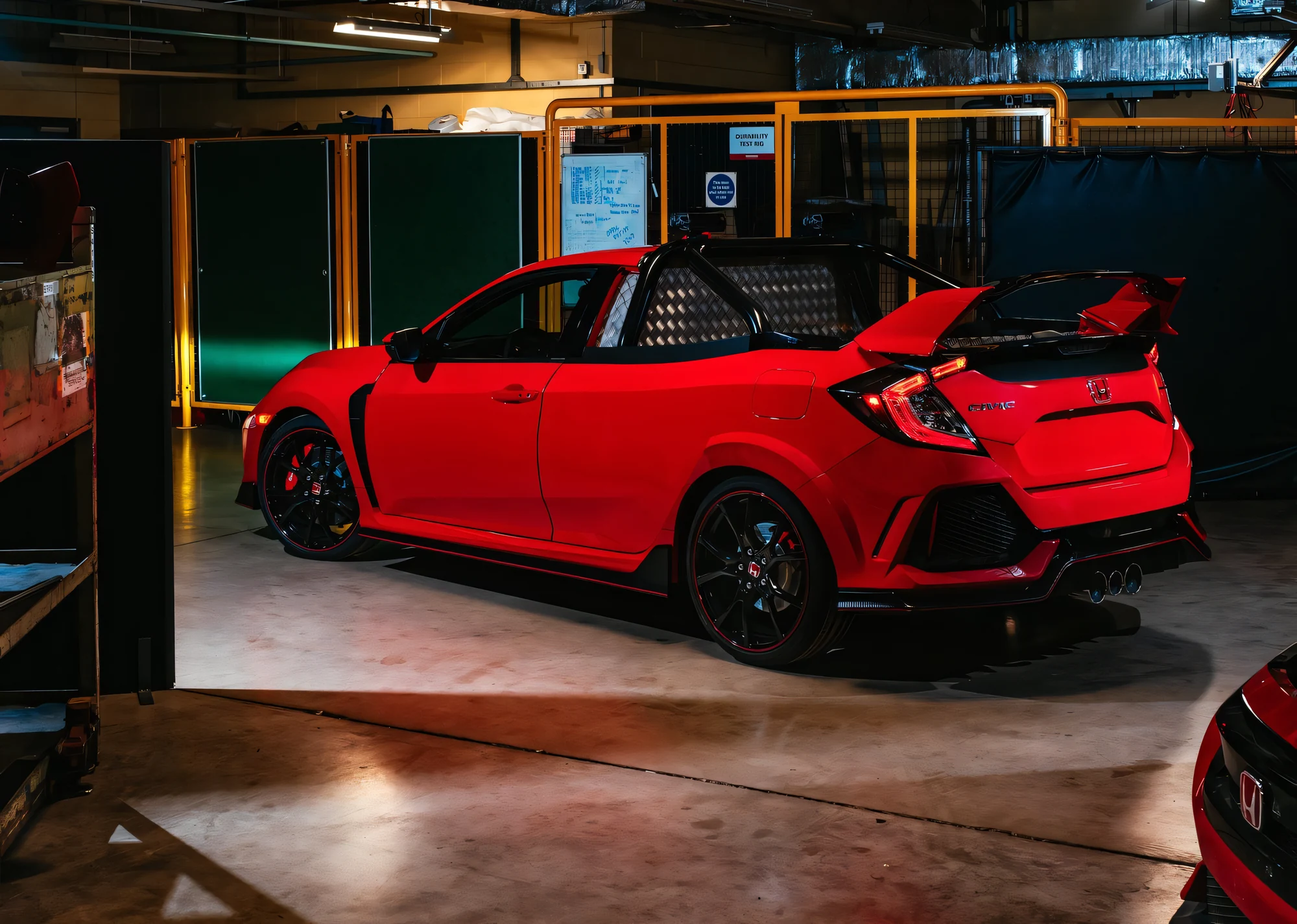
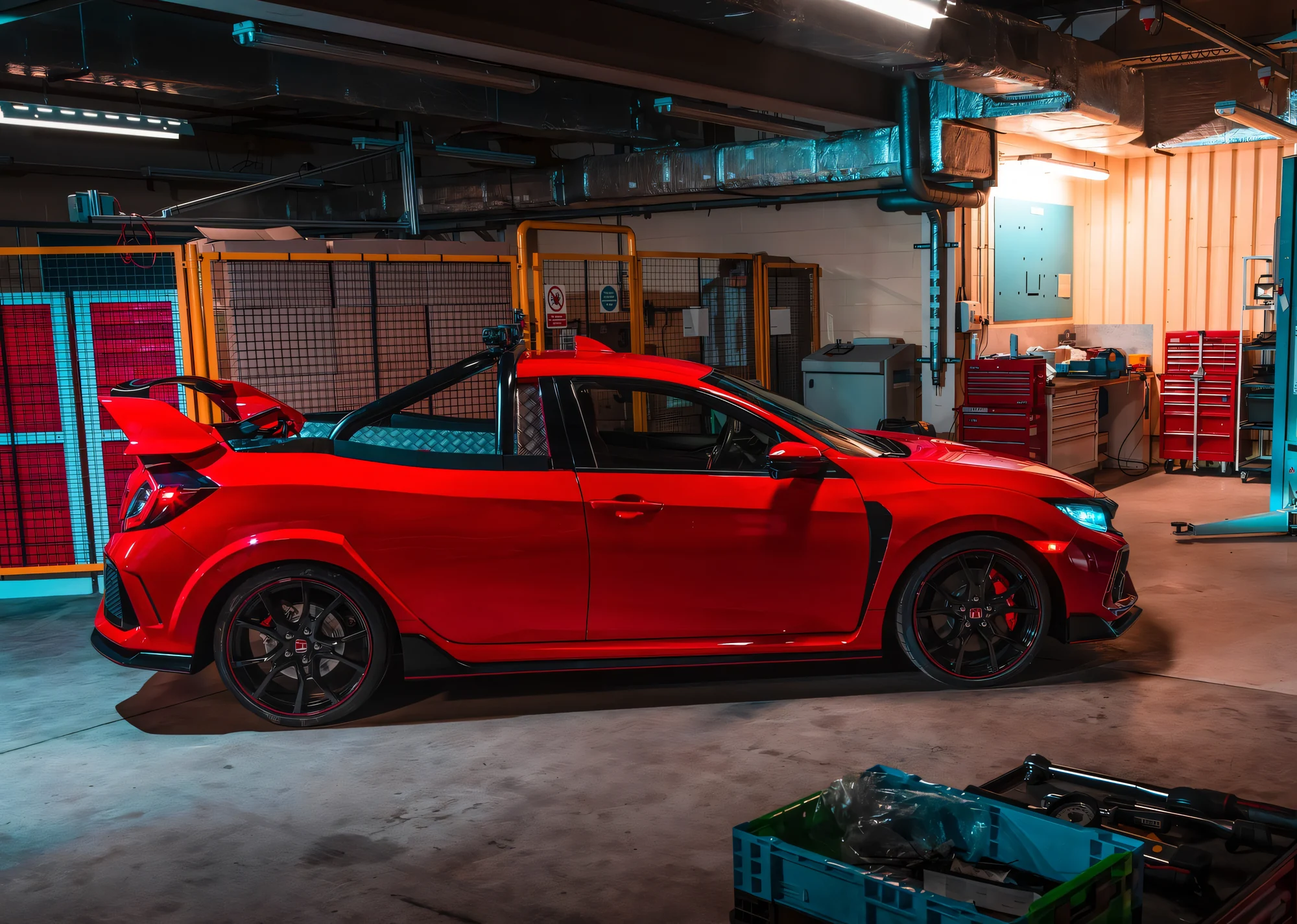
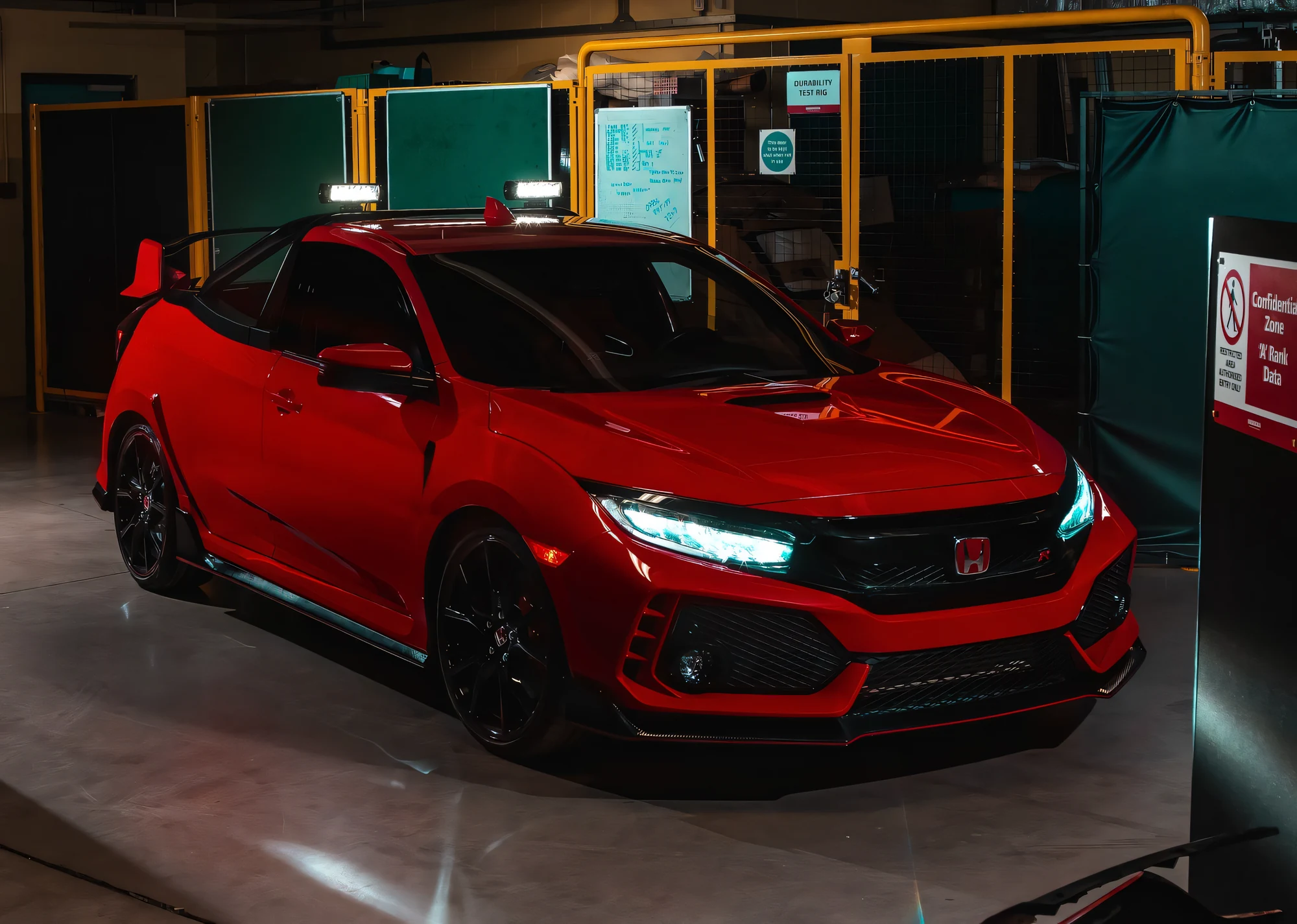
The Civic Type R is one clear idea executed six times: take an ordinary Civic, fit the sharpest version of Honda’s four-cylinder, build a front-wheel-drive chassis to match, and leave enough headroom that the aftermarket can double the output. It has been a benchmark hot hatch since 1997 — and one of the most modified cars on the road ever since, because the engine underneath responds to tuning better than almost anything else at the price.
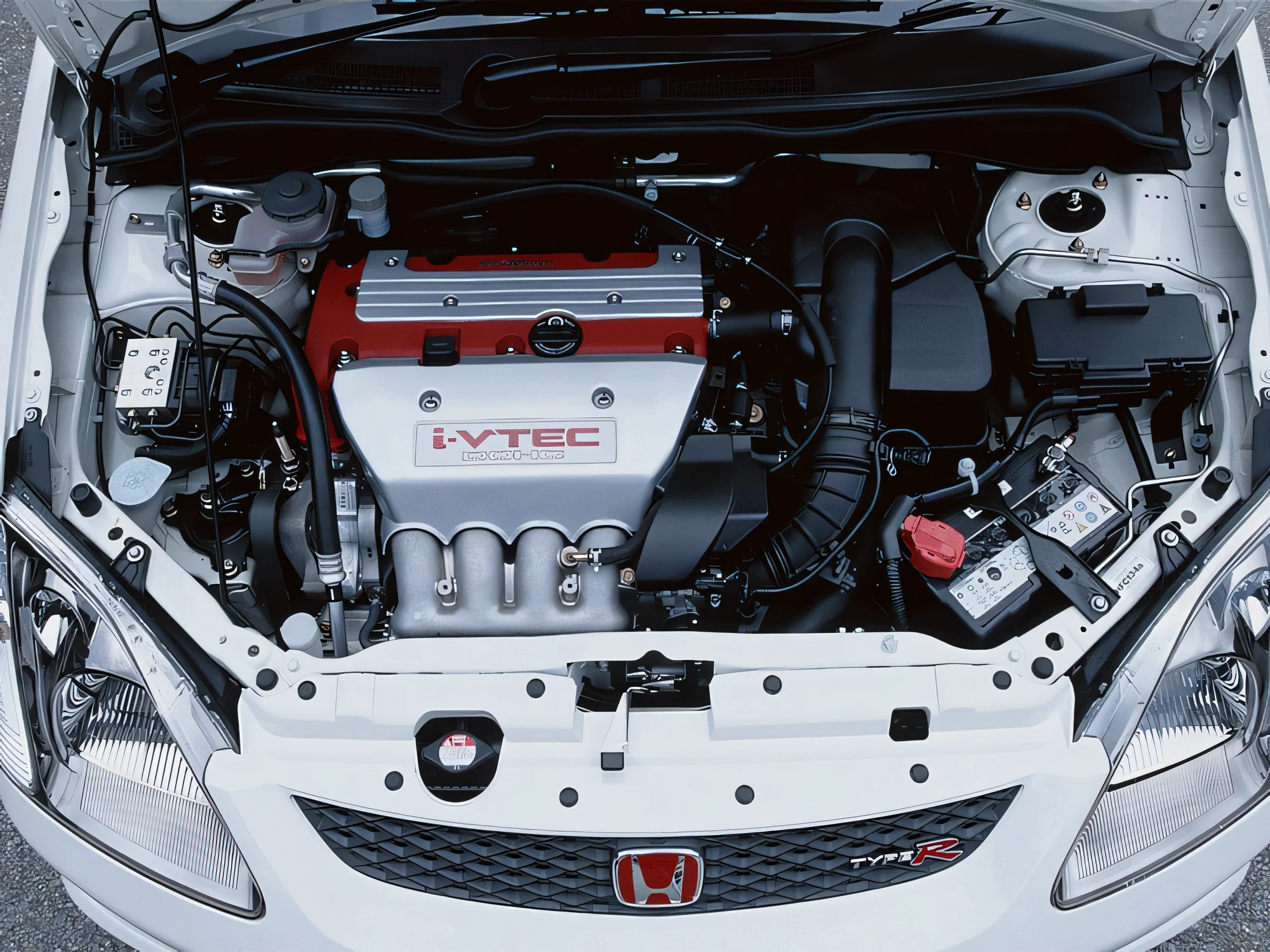
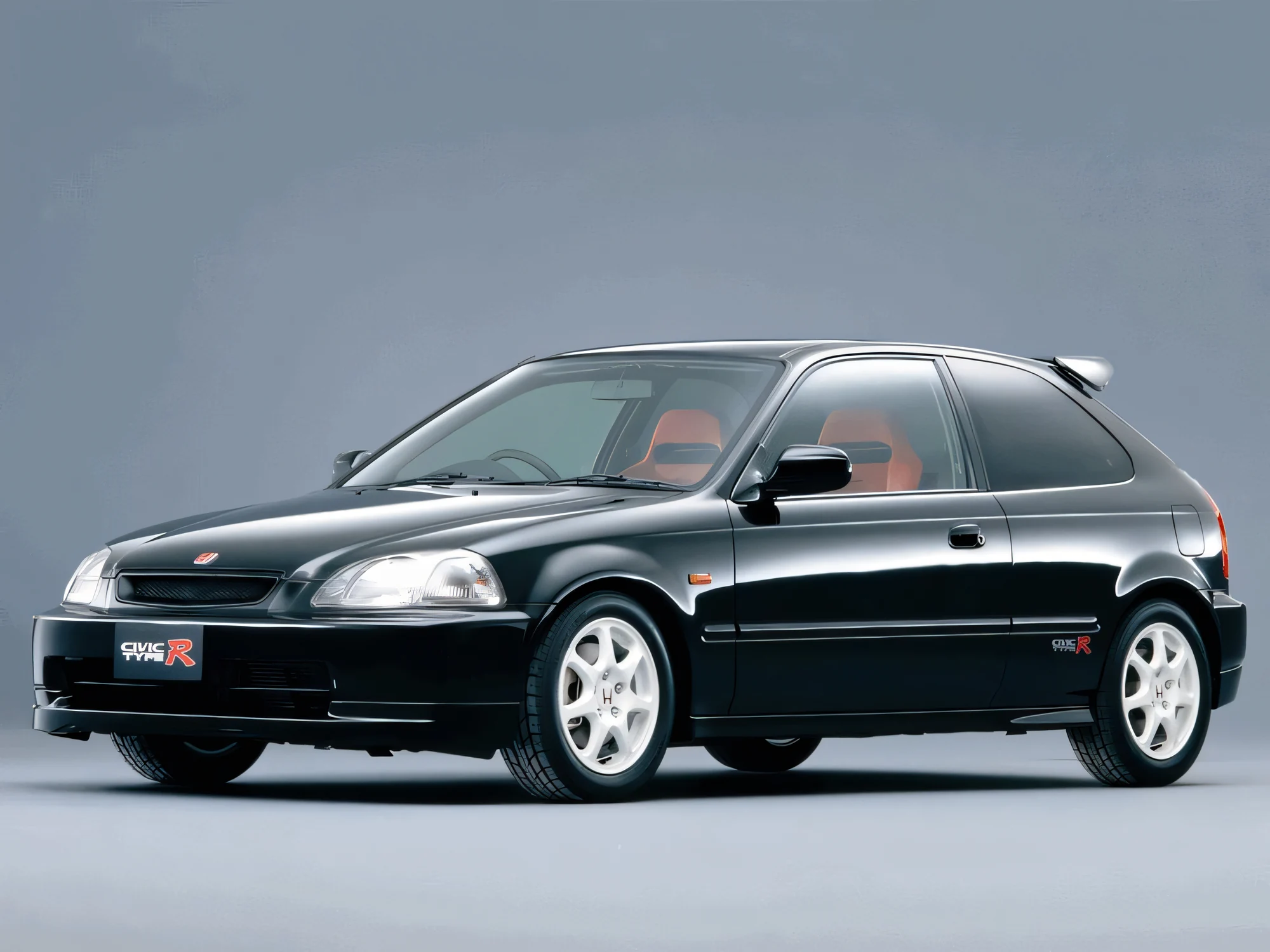
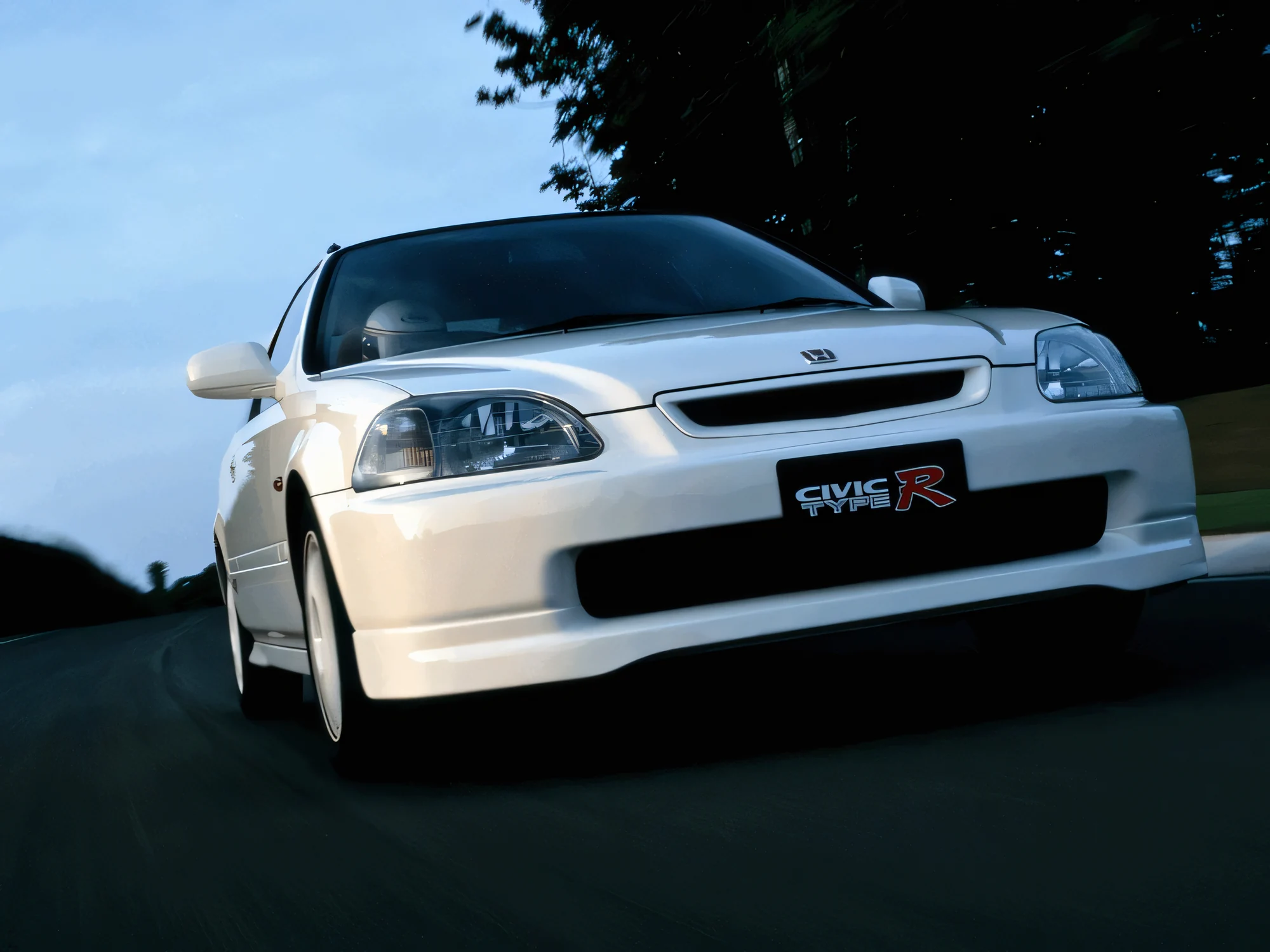
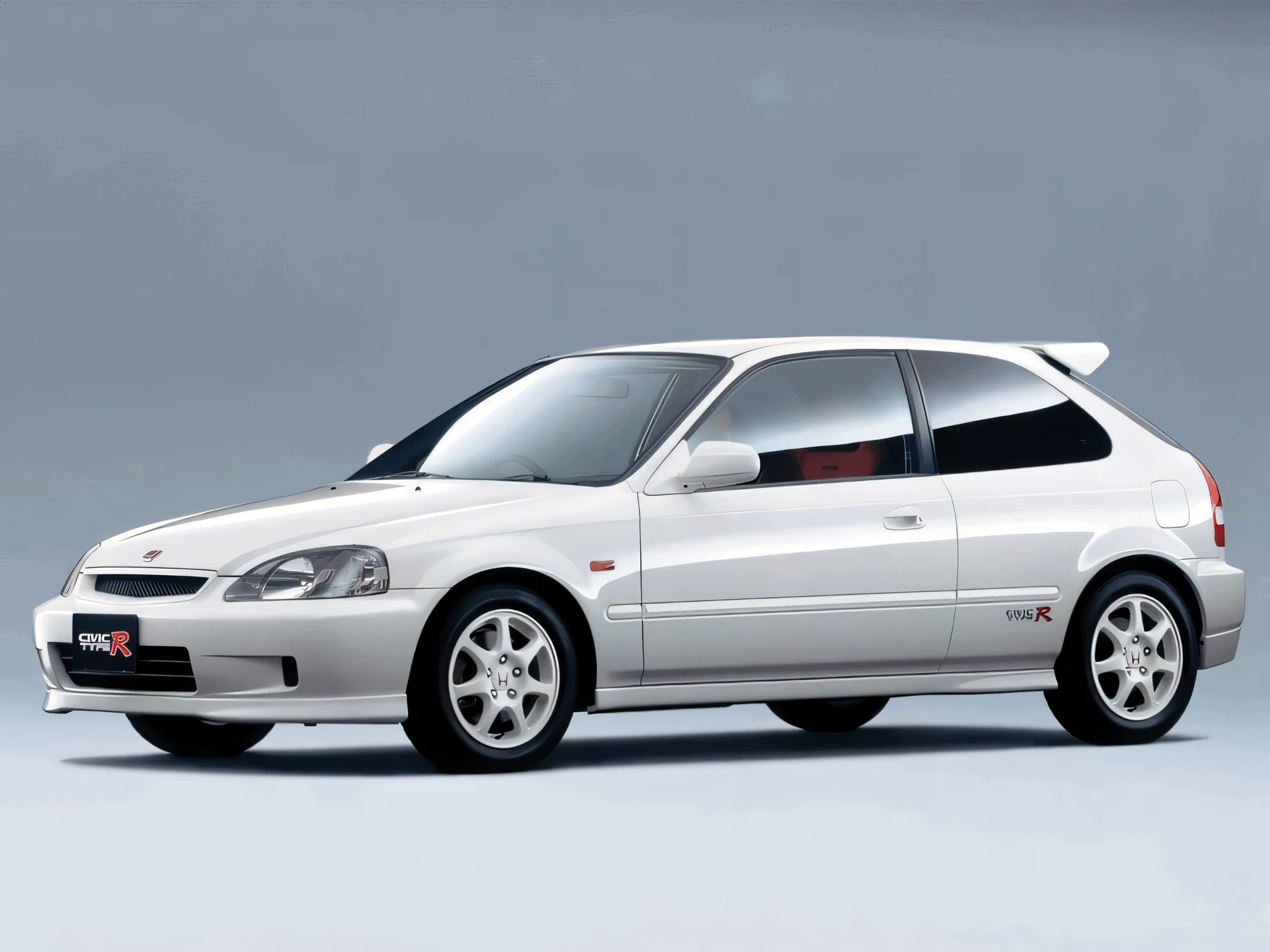
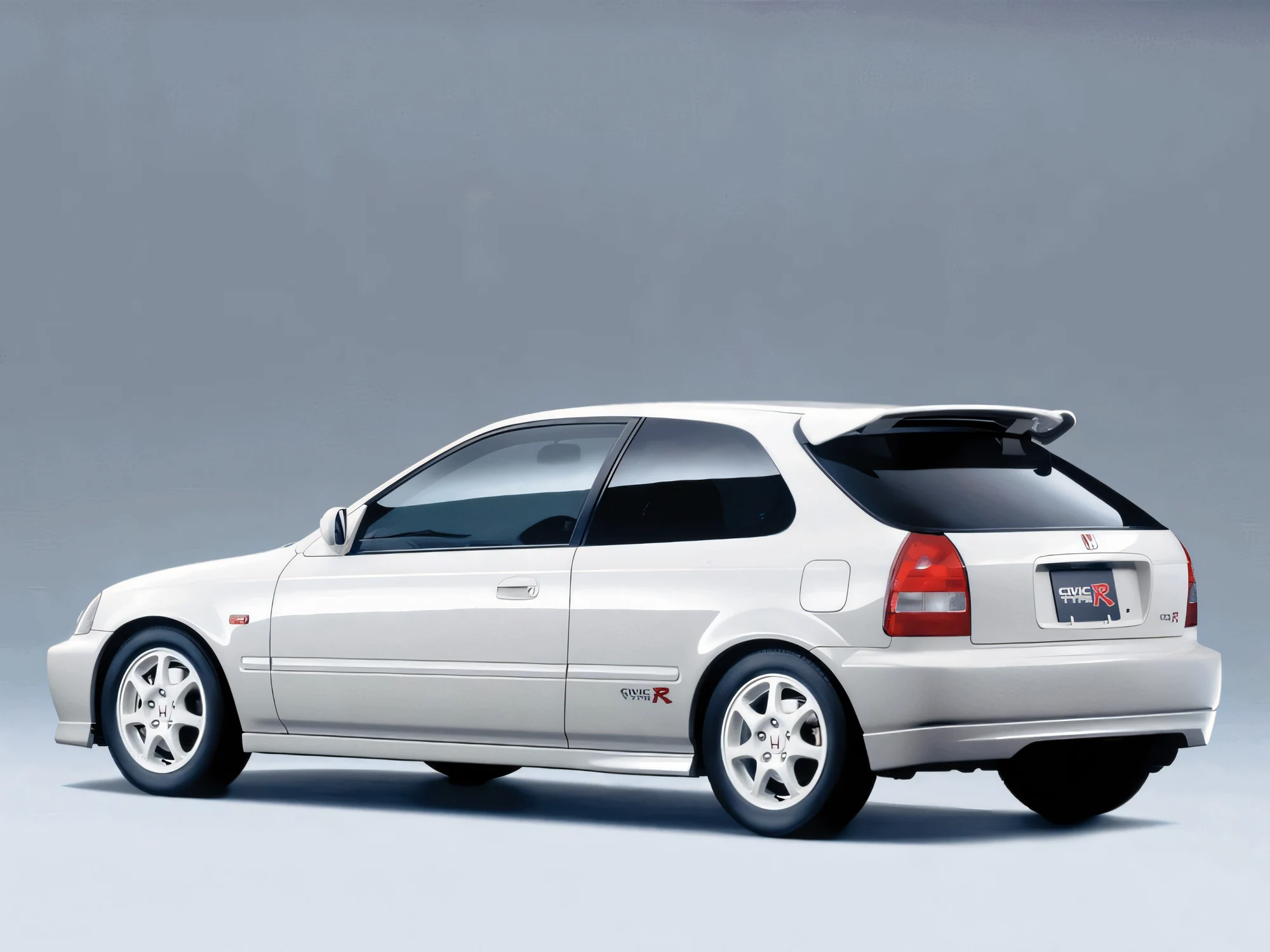
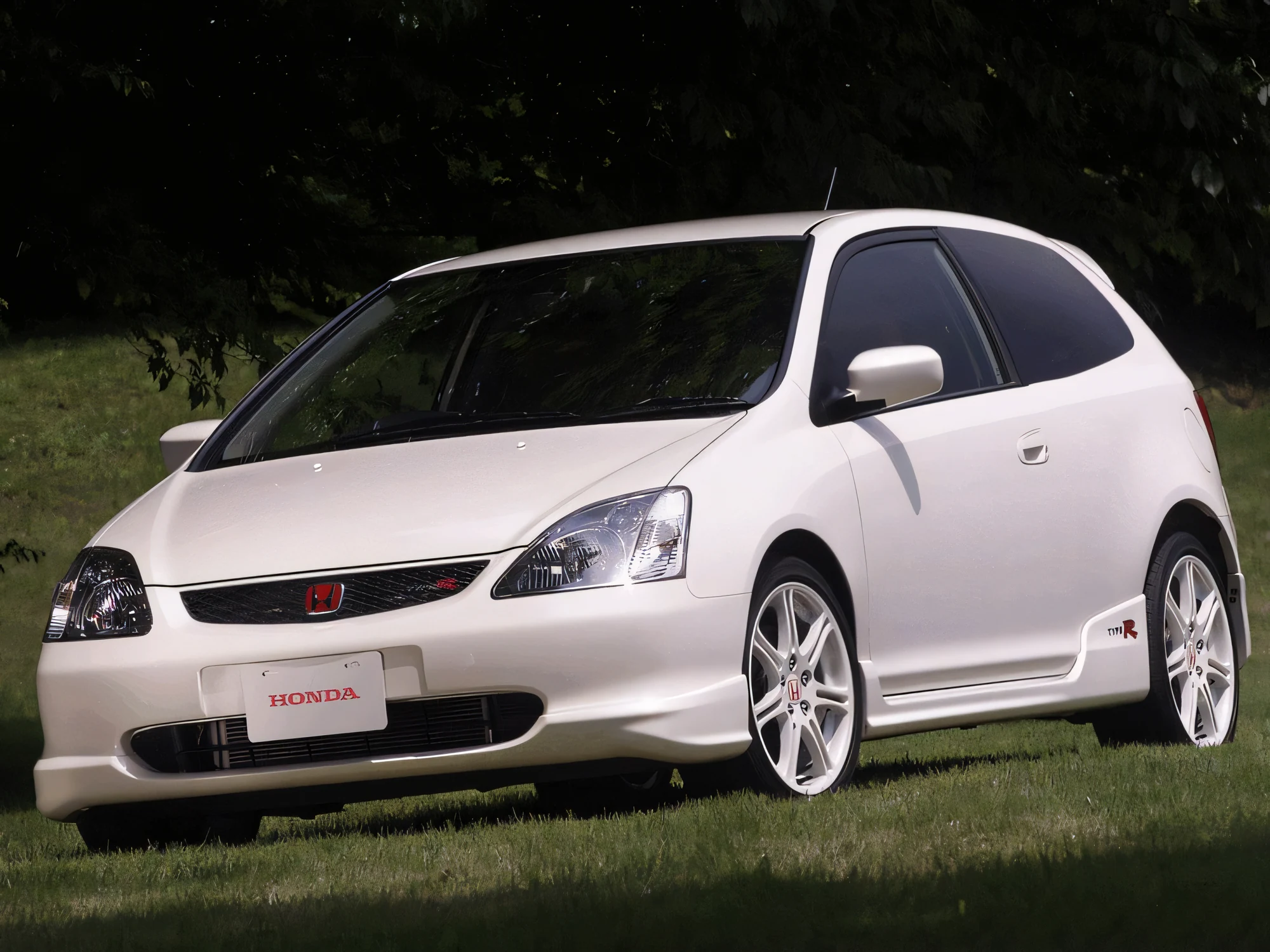
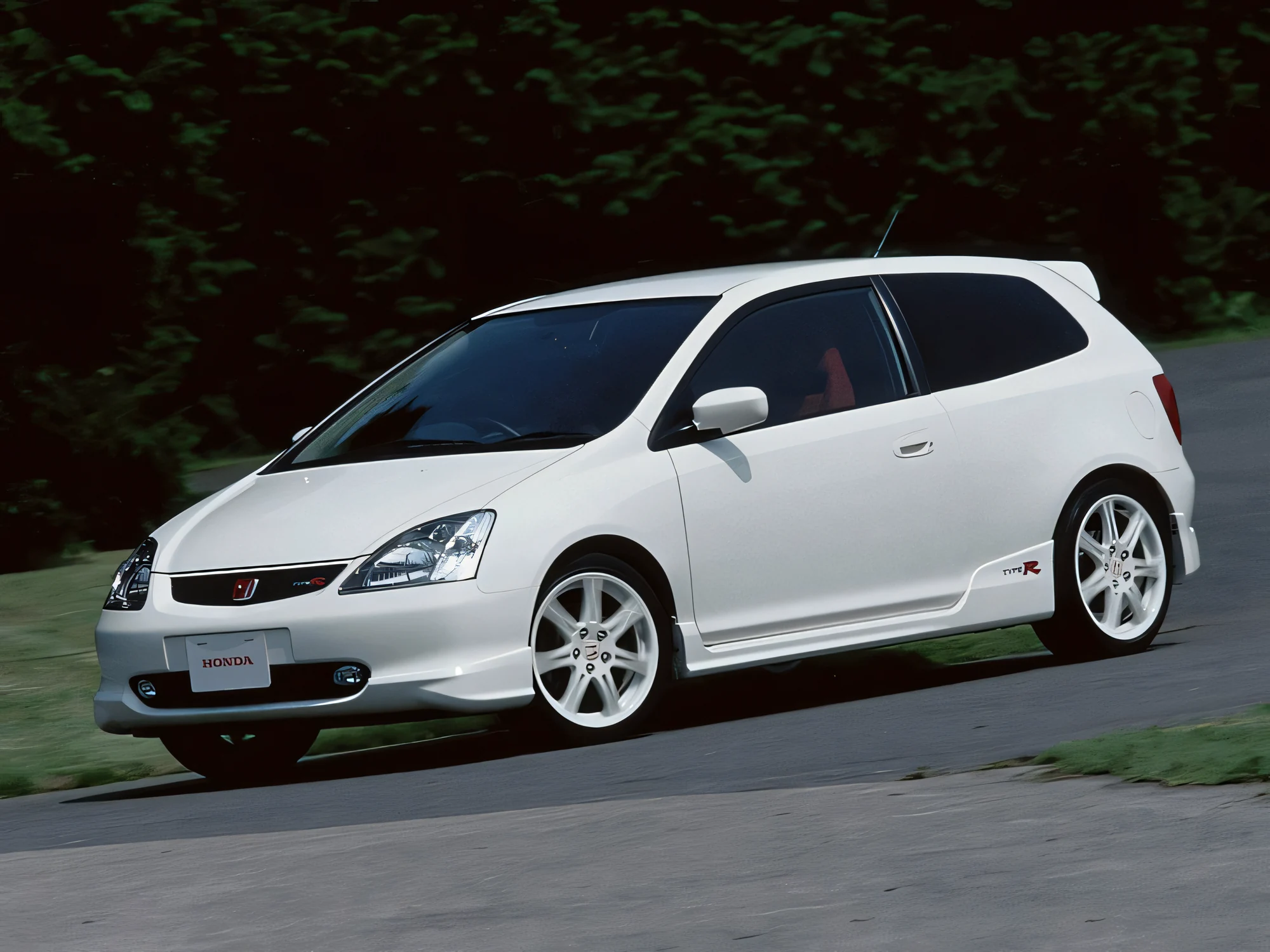
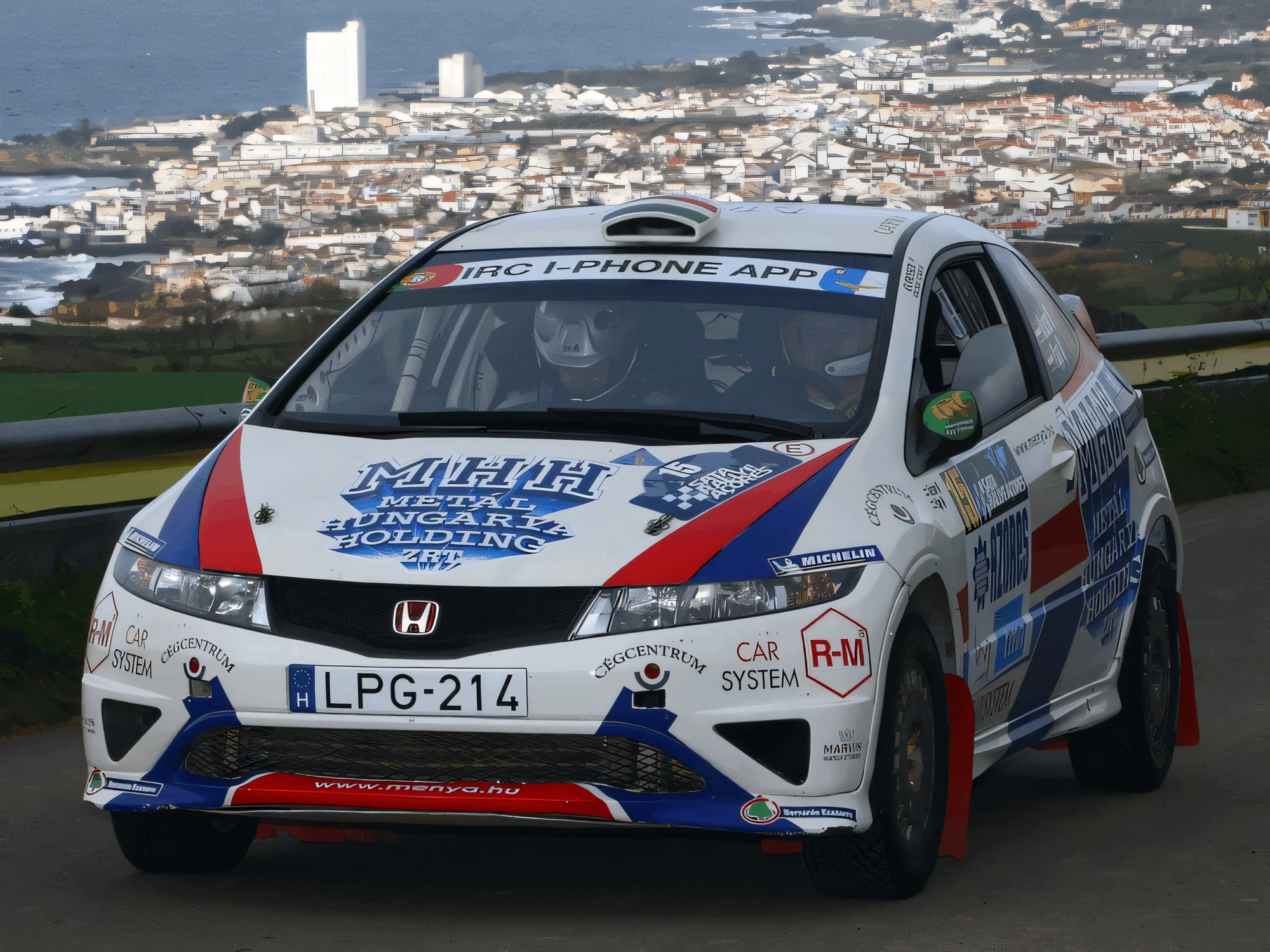
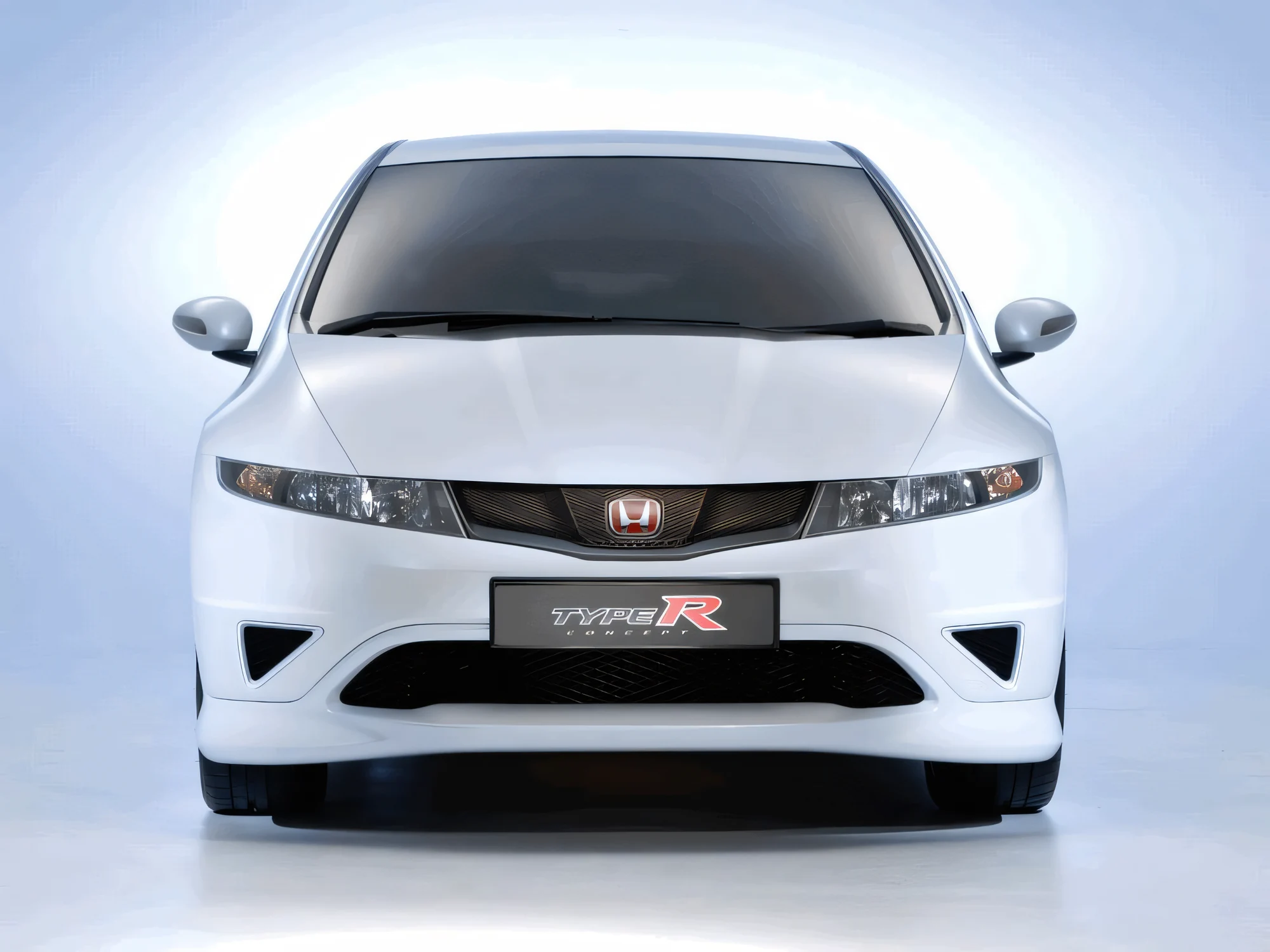
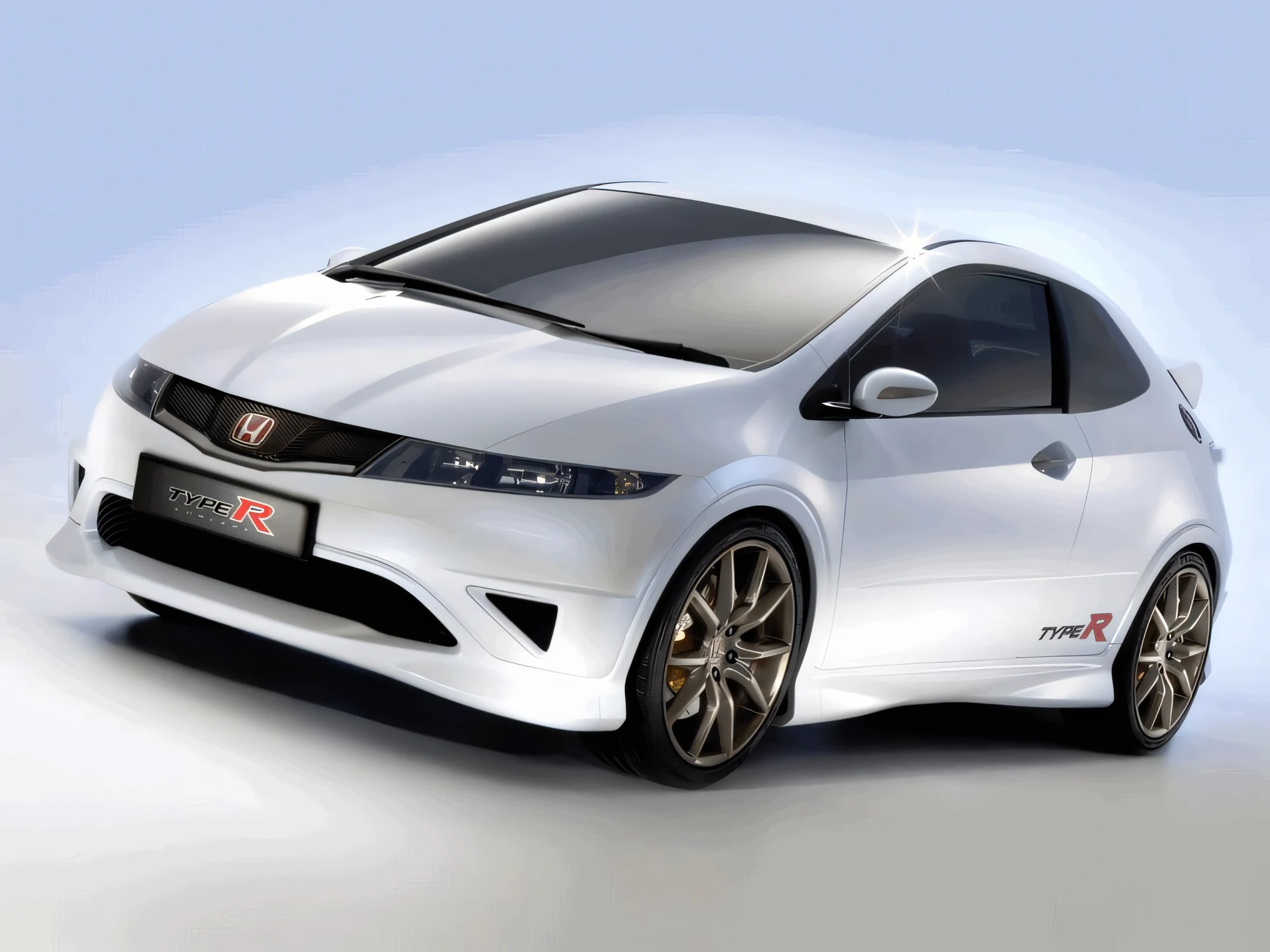
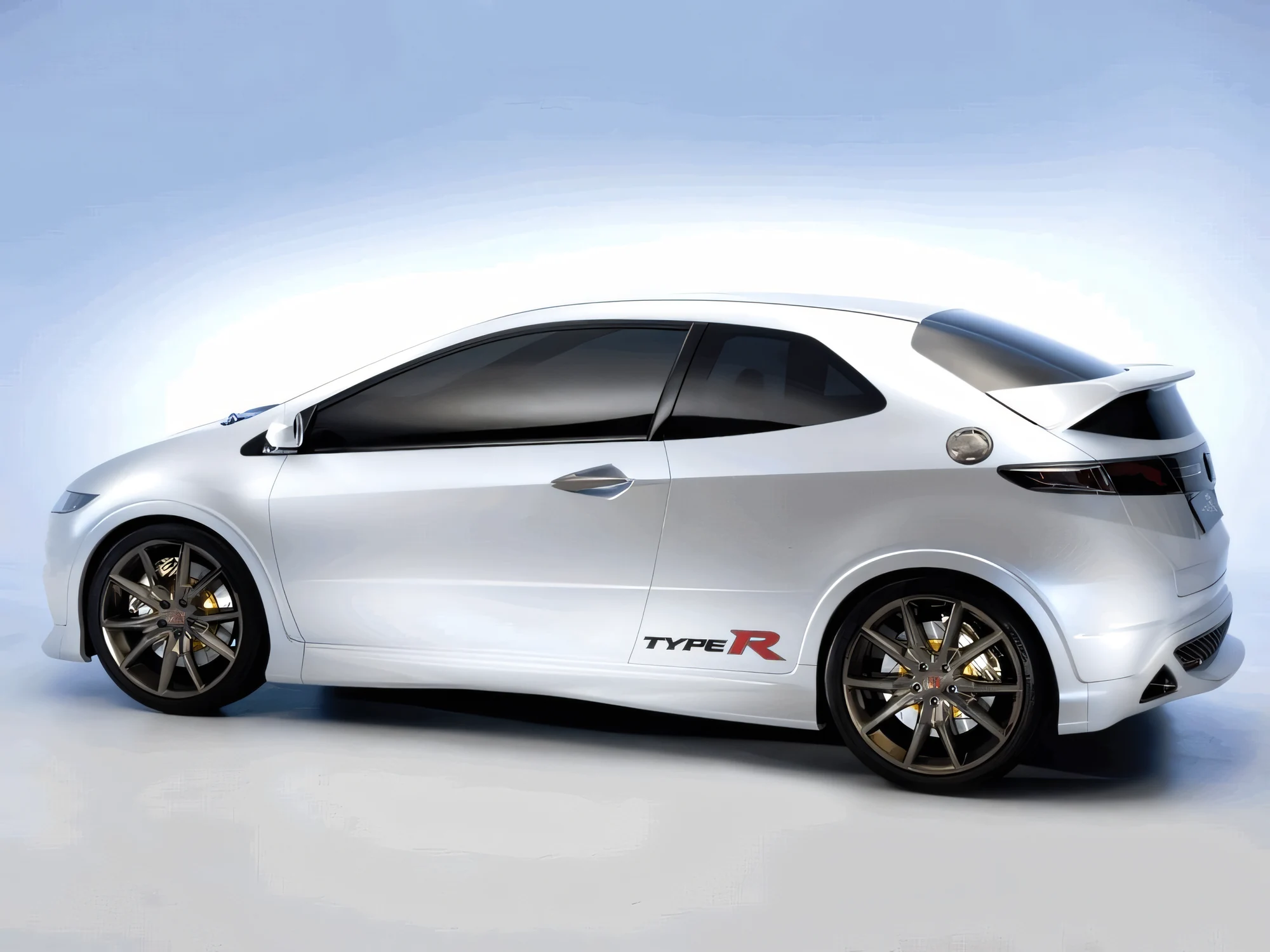
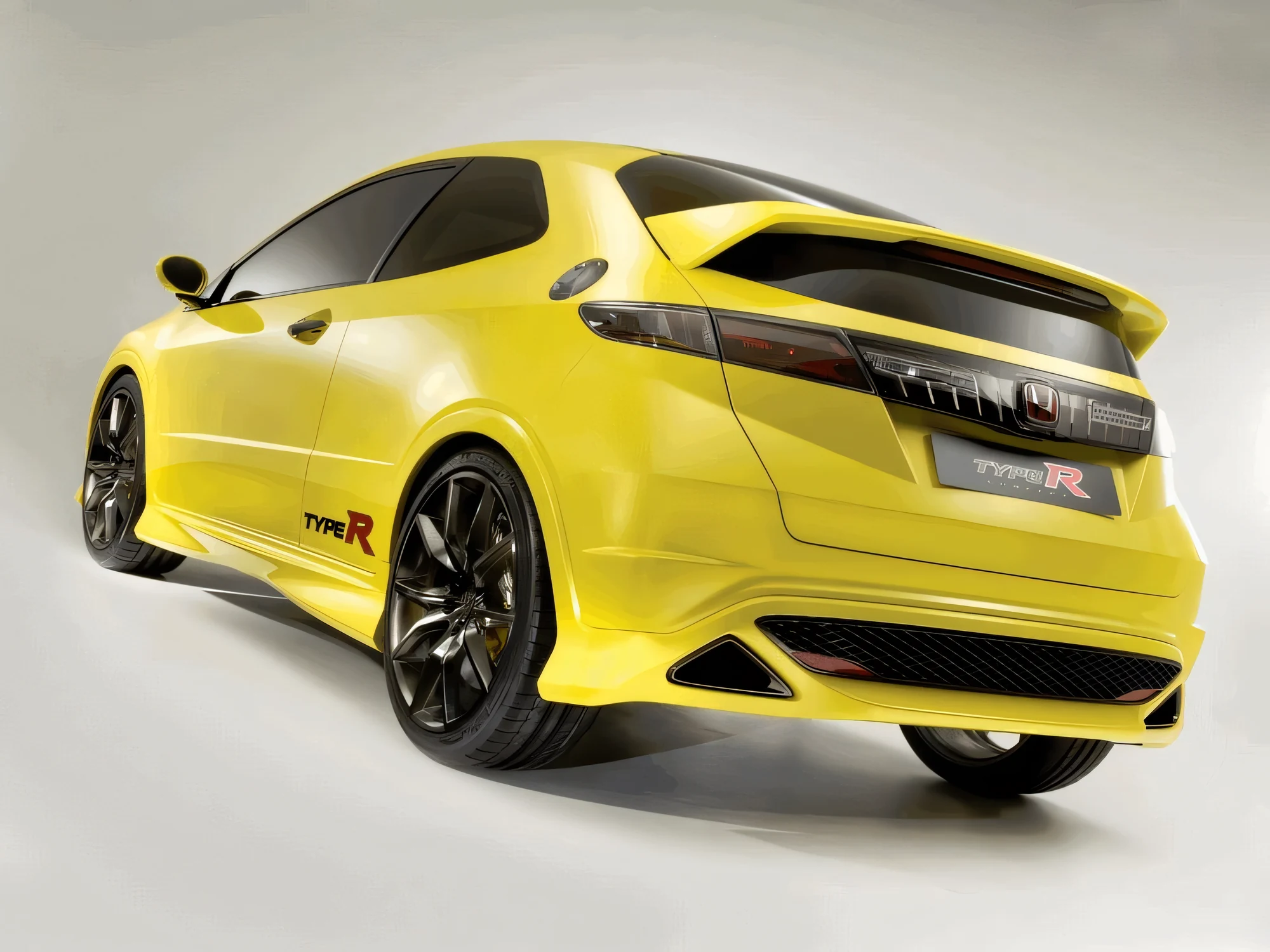
The photos above are stock press cars, generation by generation. Read them as a timeline: each new base changed what modifying a Type R actually means.
Two eras, two completely different build sheets
The Type R splits cleanly in half, and which half you’re looking at decides everything you’d bolt to it.
The screamers — EK9 (1997), EP3, DC5, FD2 (2007). Naturally aspirated, high-compression, built to rev. The EK9’s hand-ported 1.6 B16B spun to 8,600 rpm; the later K20A cars to 8,400, making 215–225 PS with a helical LSD and a close-ratio box. With no turbo to lean on, you build these for breathing and response — intake, a 4-2-1 header, a real exhaust and a Hondata tune, then individual throttle bodies and cams if the wallet holds. The ceiling is around 220–250 whp, and the point was never peak power — it’s throttle sharpness and the top-end noise. Clean EK9s and FD2s are now appreciating collector cars, kept standard as often as they’re modified.
The turbo era — FK2 (2015), FK8 (2017), FL5 (2023). The K20C1 turbo tore up the old build sheet. You stop chasing revs and start chasing boost and fuel. A tune alone wakes them; a bigger turbo on the stock long-block unlocks serious power because Honda over-built the bottom end (the numbers are in the charts below). These are the value-performance pick of the whole line — quick enough that Honda used them to set, then reset, the front-wheel-drive Nürburgring production record, and cheap to make faster than almost anything at the money.
The through-line across both eras is the engine, not the badge — which leads to the single most common thing done to any Type R.
The grip
Rivals answered speed with all-wheel drive. Honda answered with geometry. Every Type R puts its power down through a limited-slip diff and front suspension tuned to let you get on the throttle mid-corner without the wheel fighting back — the FK8 and FL5 added a dual-axis front strut specifically to kill torque steer. They turn in flat, ride the outside front tyre, and reward commitment; driven lazily they just feel firm. That was always deliberate. These are cars built for someone who wants to work.
Owning one in South Africa
The honest part, because that’s the house rule.
The early cars are grey imports. Honda SA never brought the EK9, EP3 or FD2 — every one here came in privately, so paperwork matters as much as compression: import documentation, police clearance, and a verifiable service history. The high-revving engines are durable, but only if they were warmed before being worked and had their valve clearances kept in check. One thrashed from cold is a money pit with a red badge.
The turbo cars came officially — barely. The FK8 and FL5 sold here in tiny allocations, which is exactly why they’ve shrugged off normal depreciation. A clean FK8 still asks strong money and a good FL5 asks more; a cheap one is almost always hiding a track past, a rebuild, or a story.
Insure it properly and declare the mods. A grey-import performance car is precisely what an insurer scrutinises after a claim. Keep it roadworthy, declare the import status and every modification, and if you’ve lowered it, stay on top of your alignment — SA roads punish a firm front end. Building one? Spend in the right order, not on the loudest mod first.