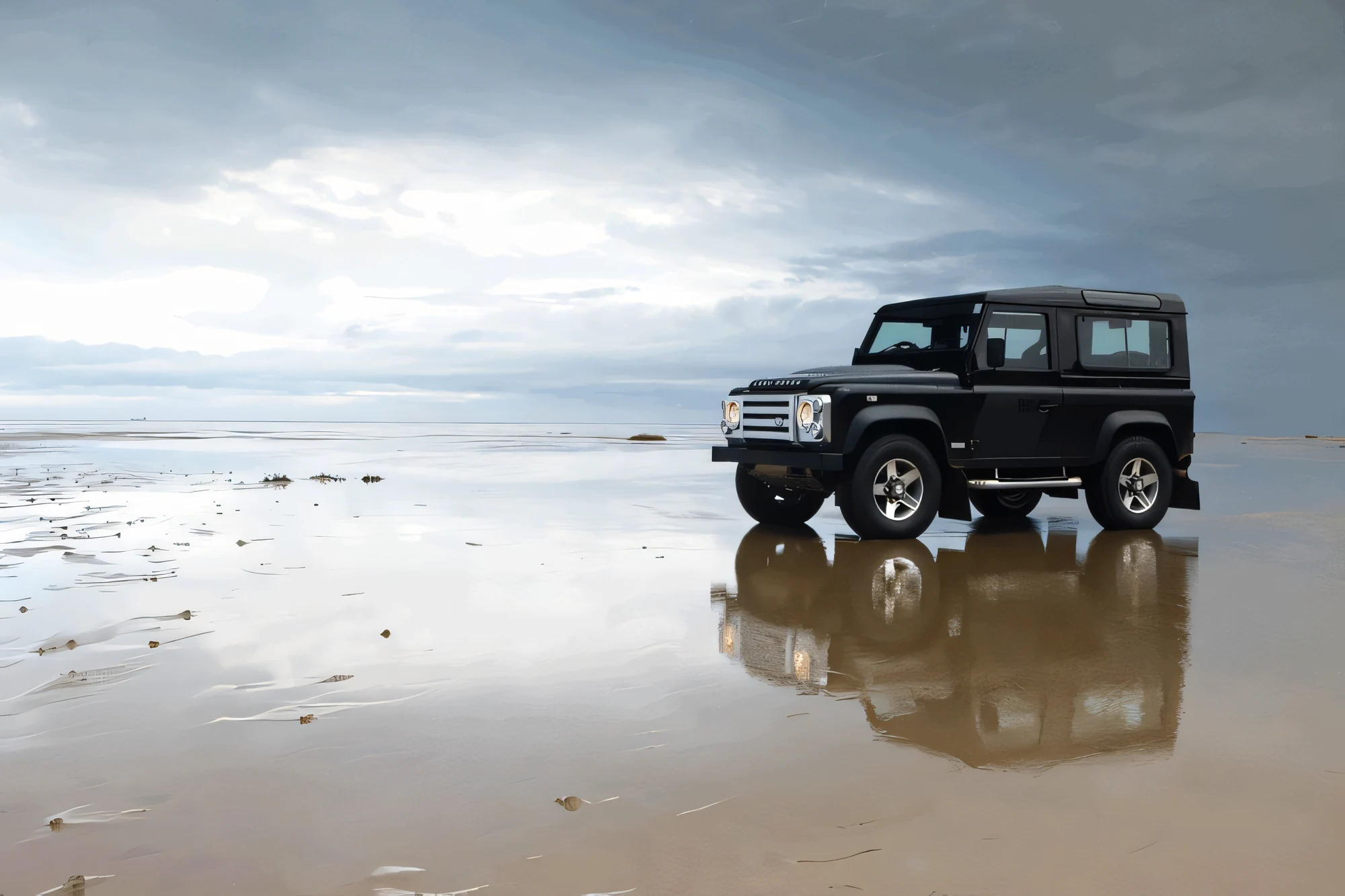
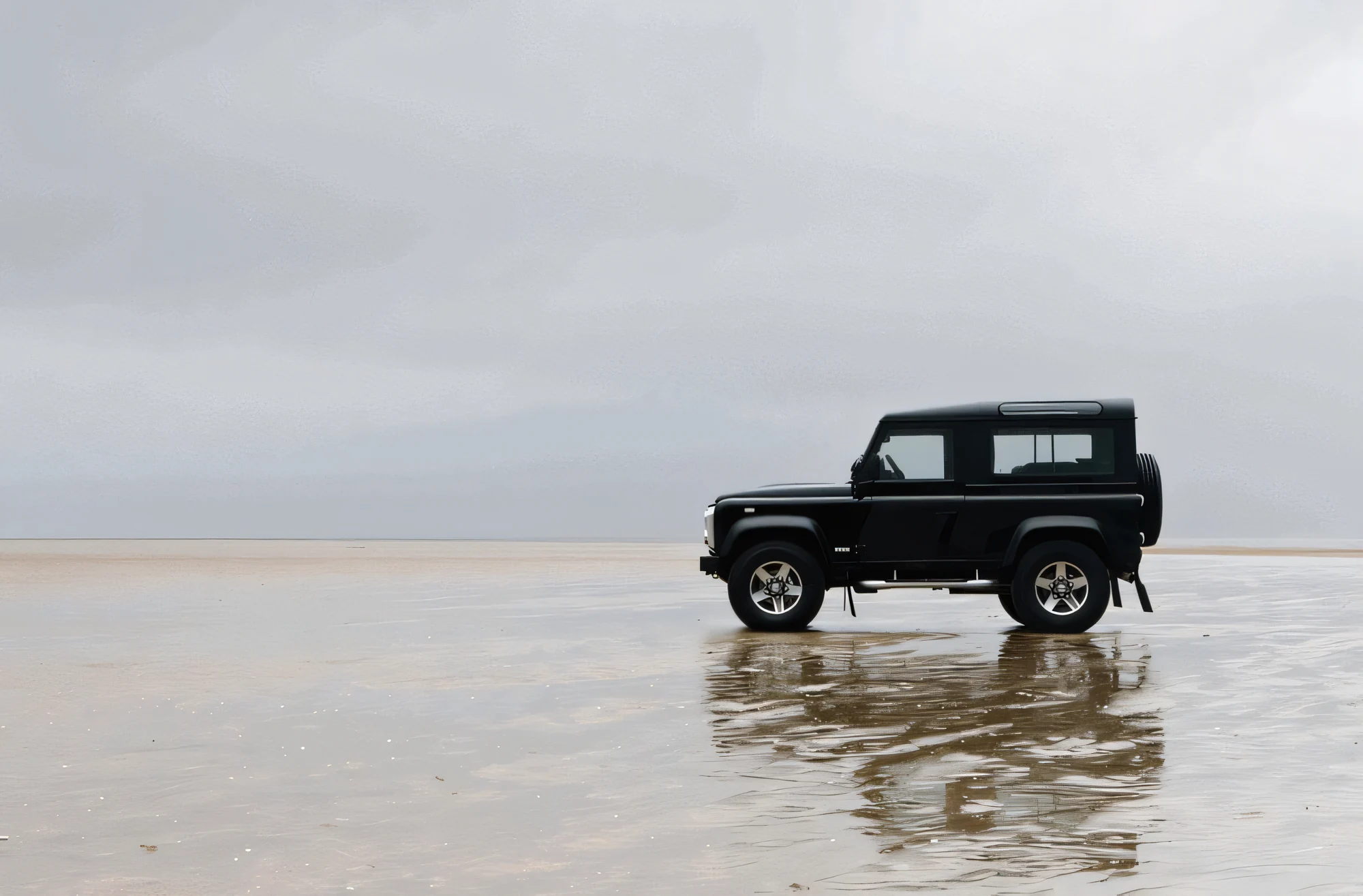
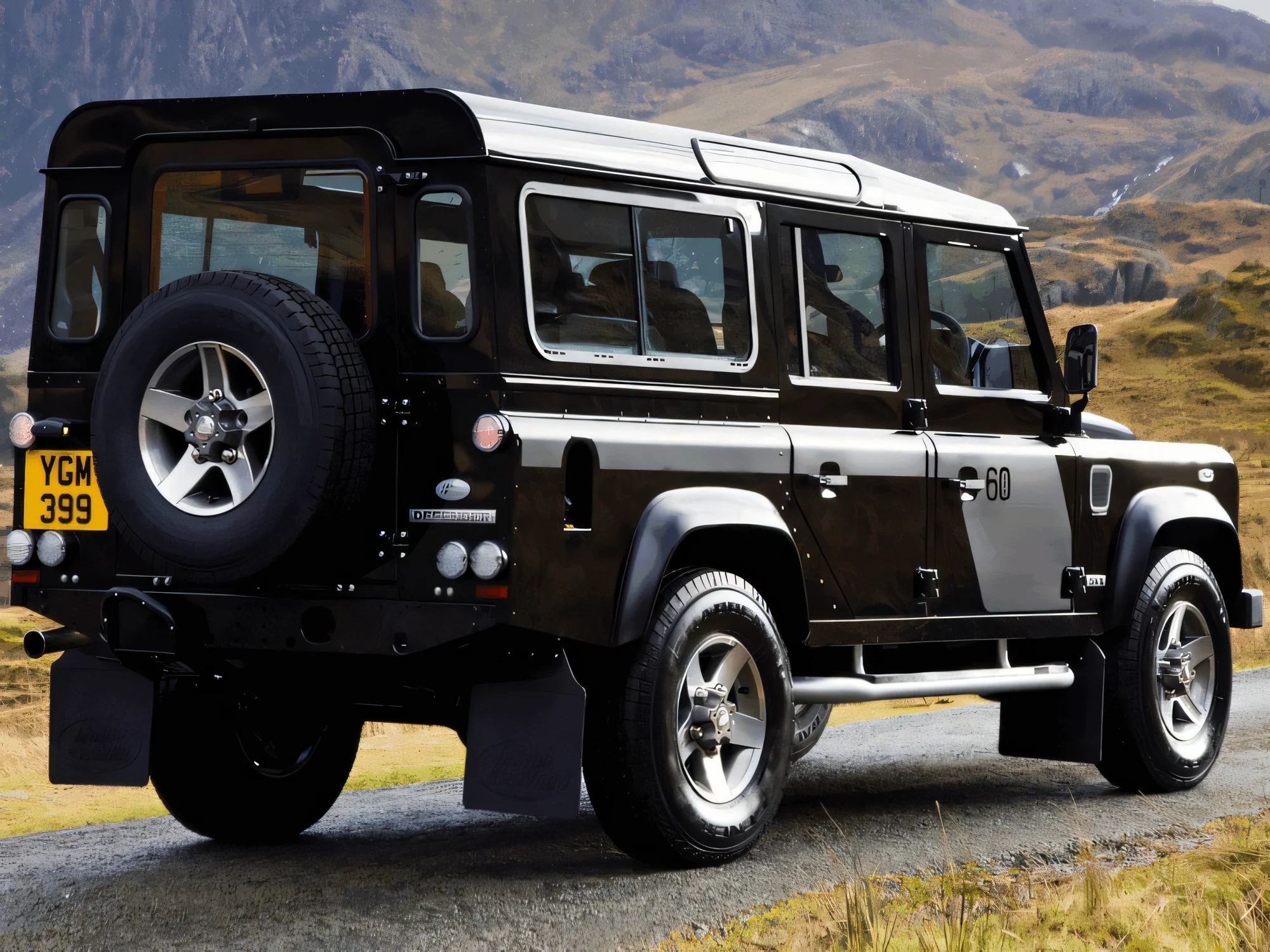
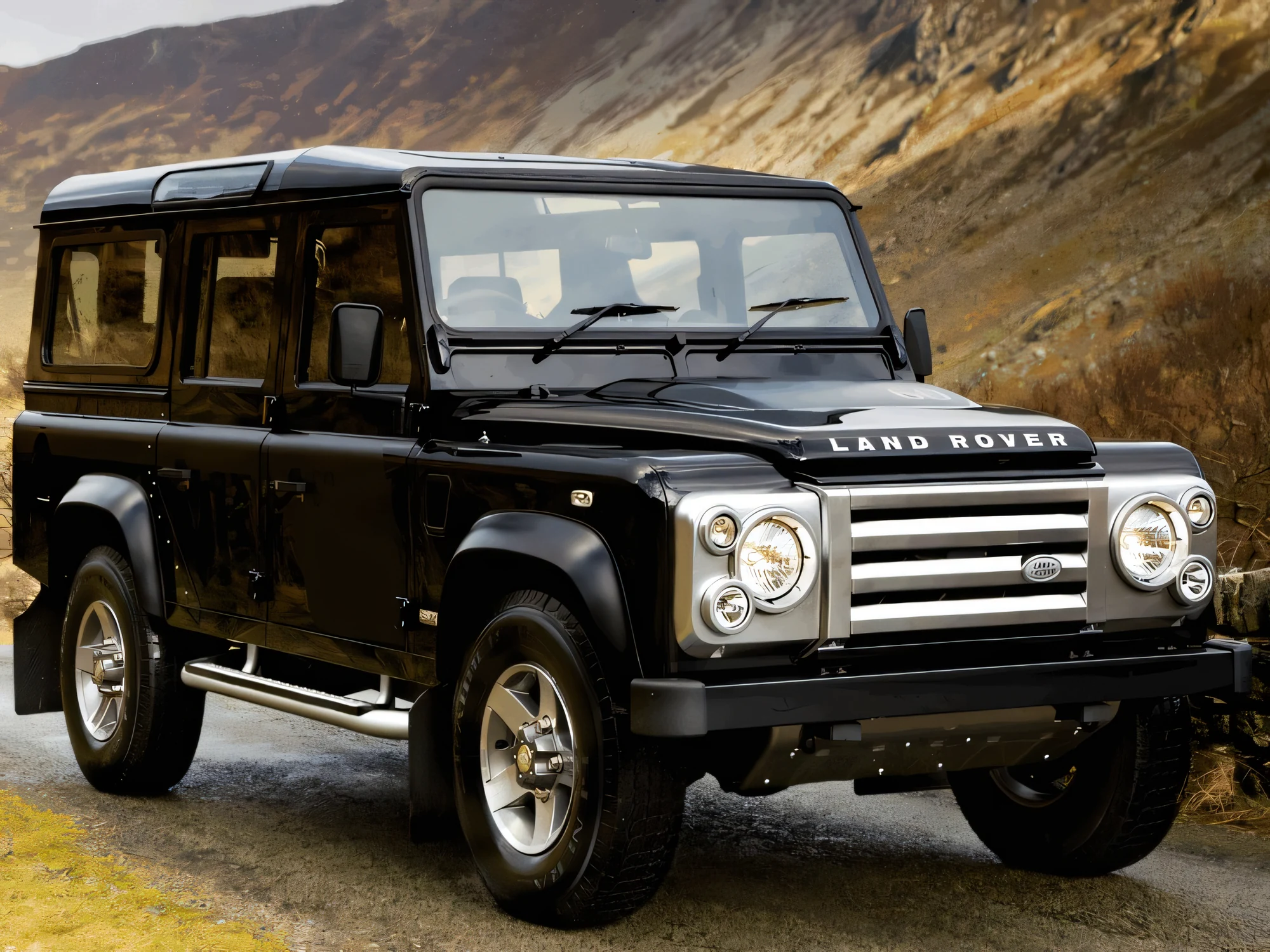
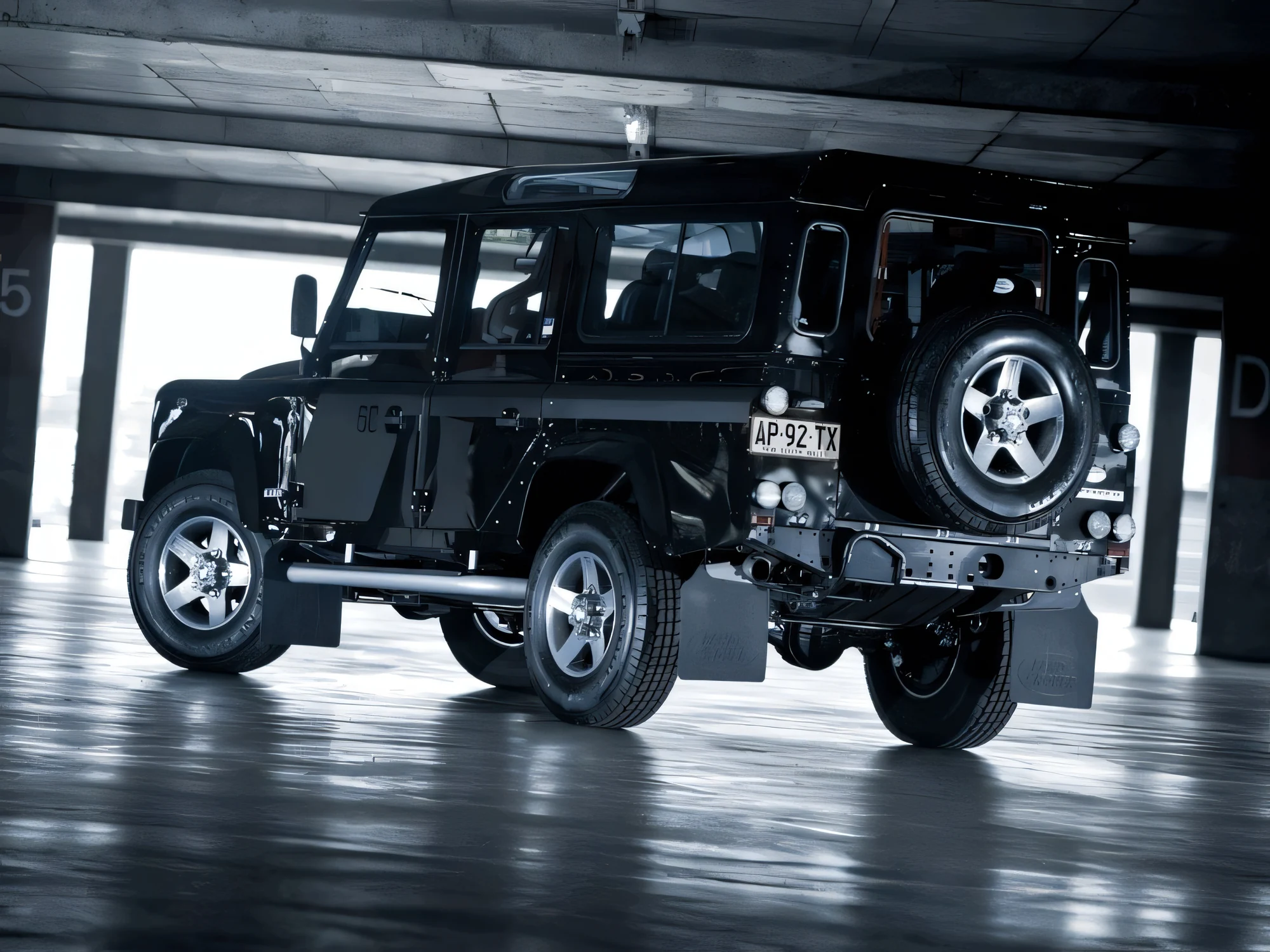
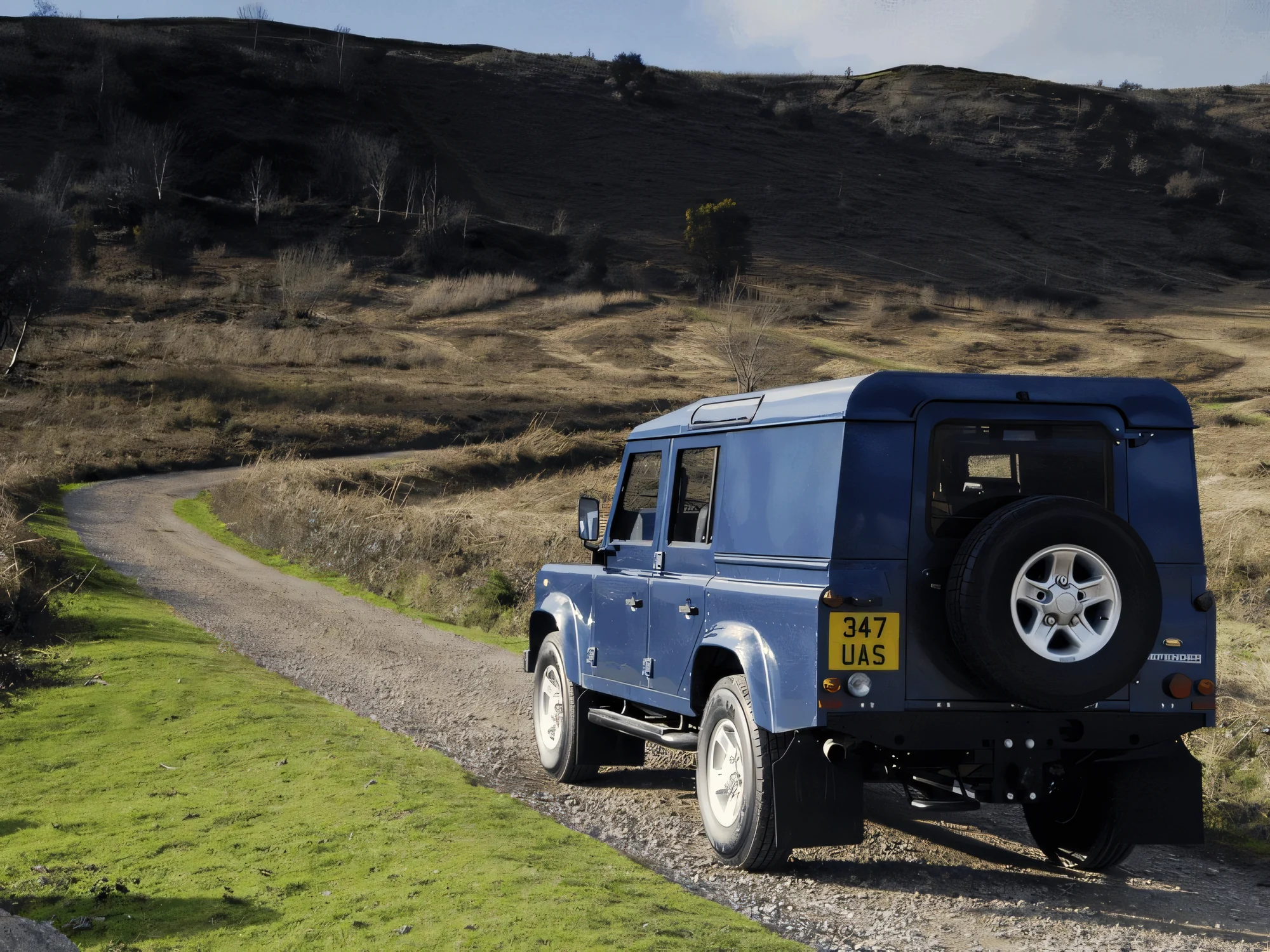
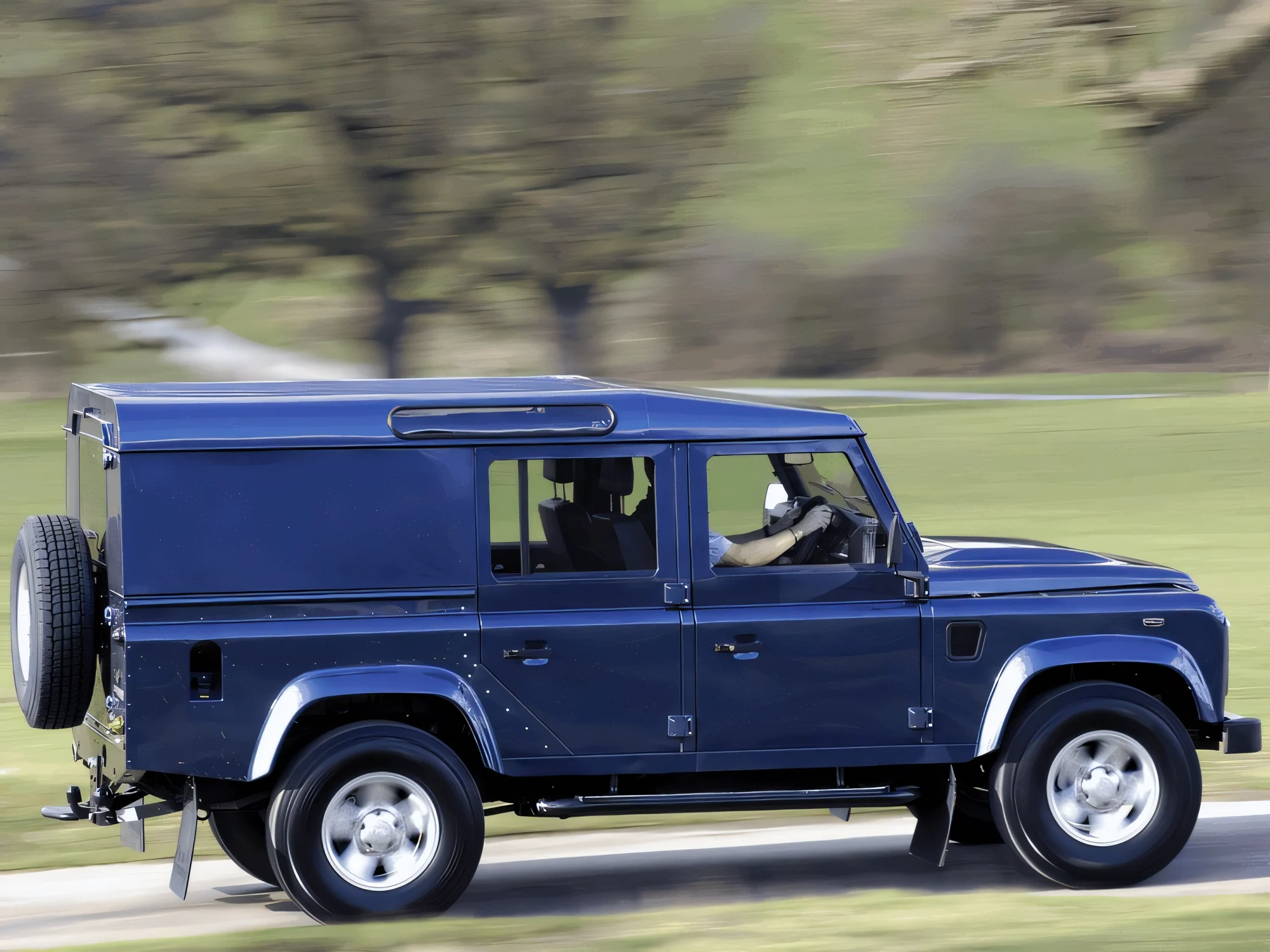
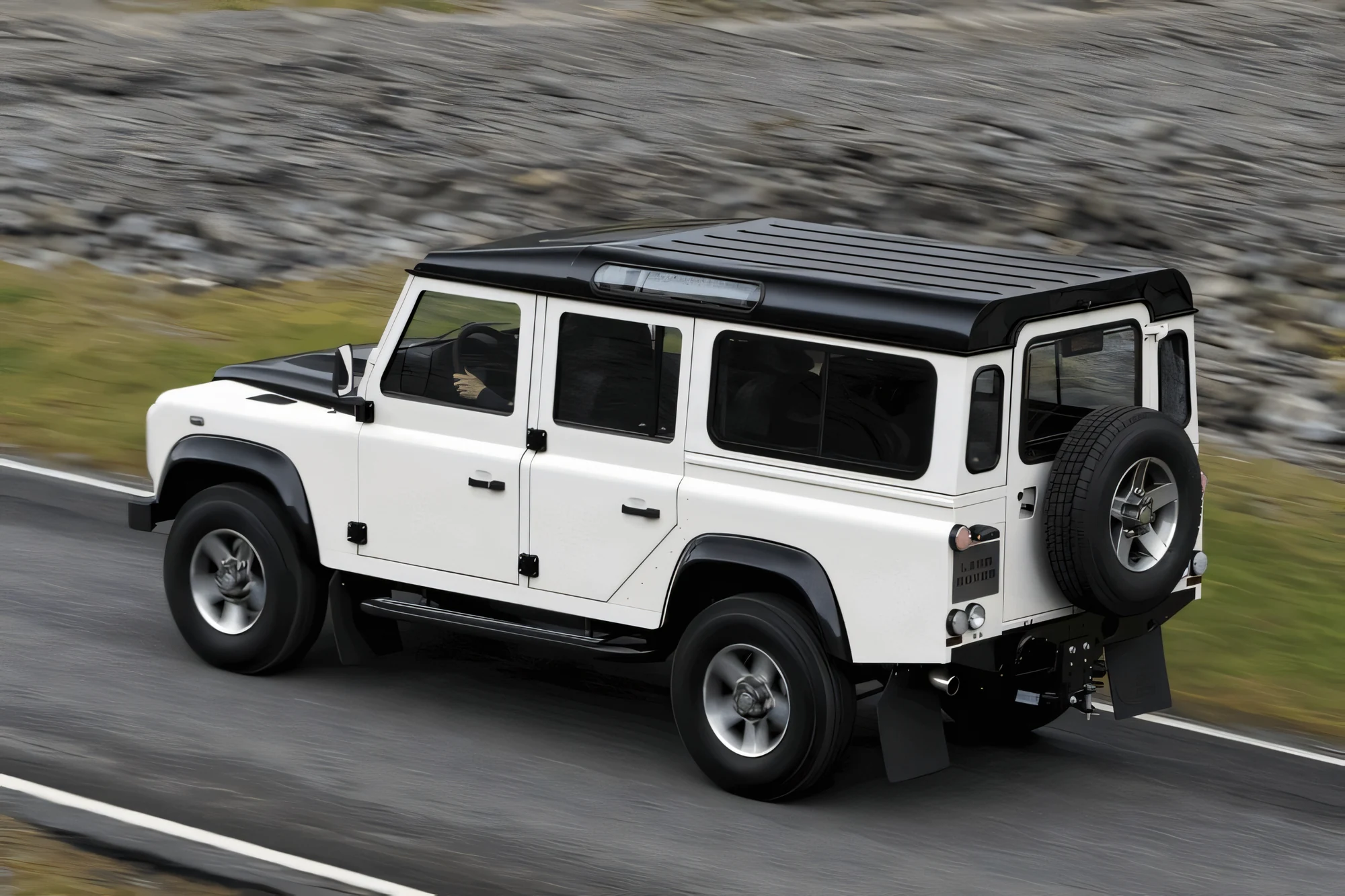
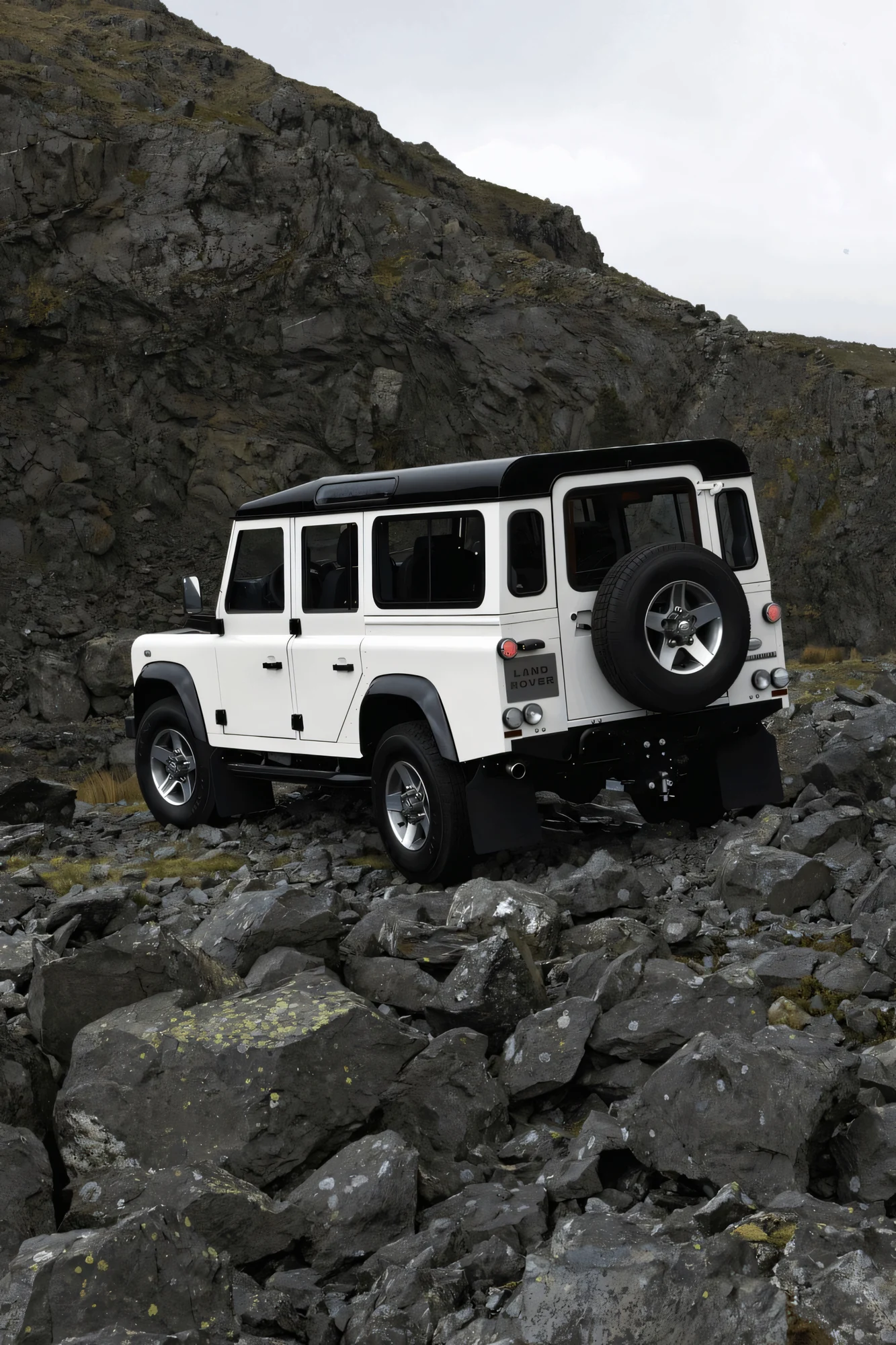
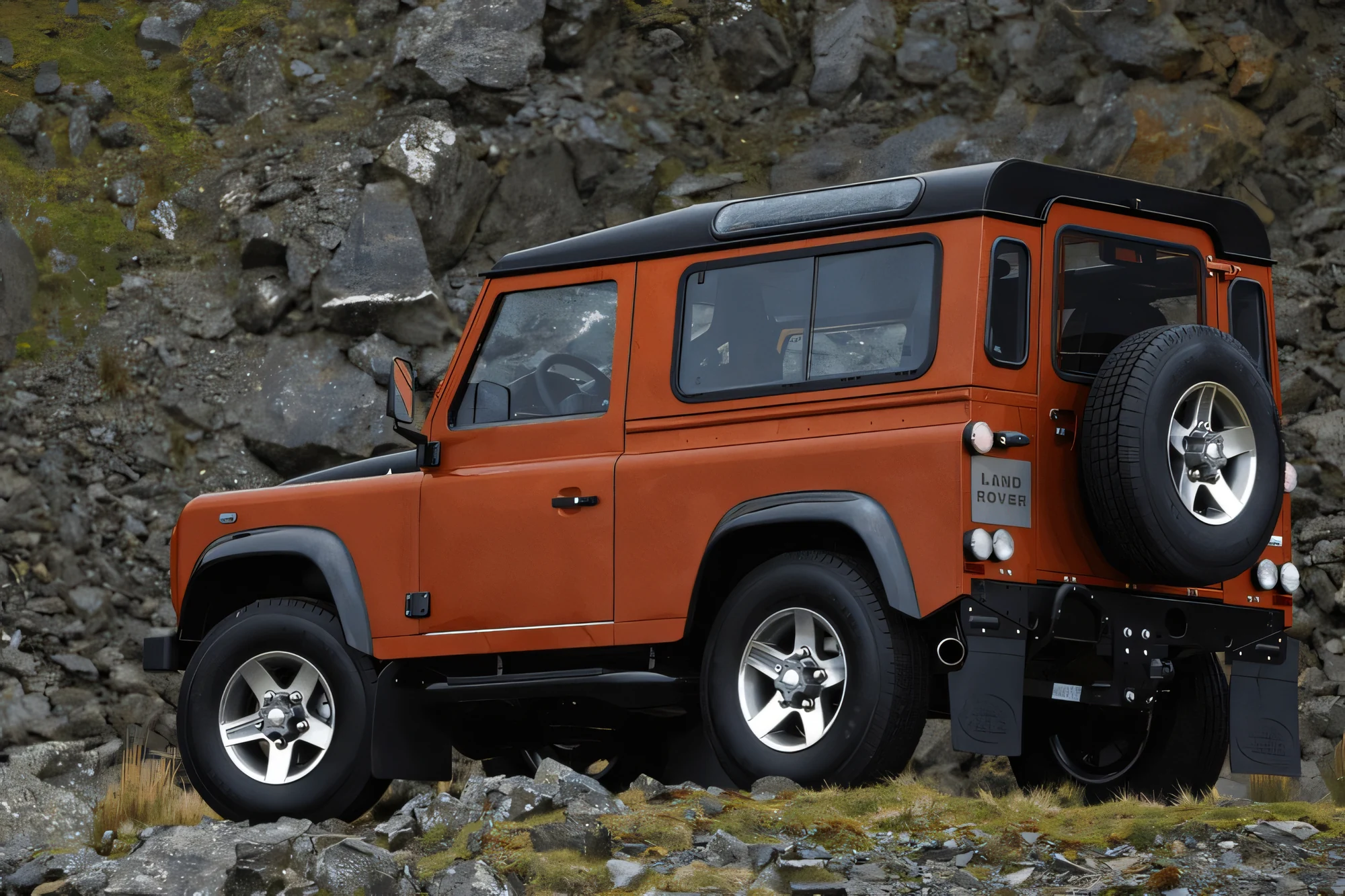
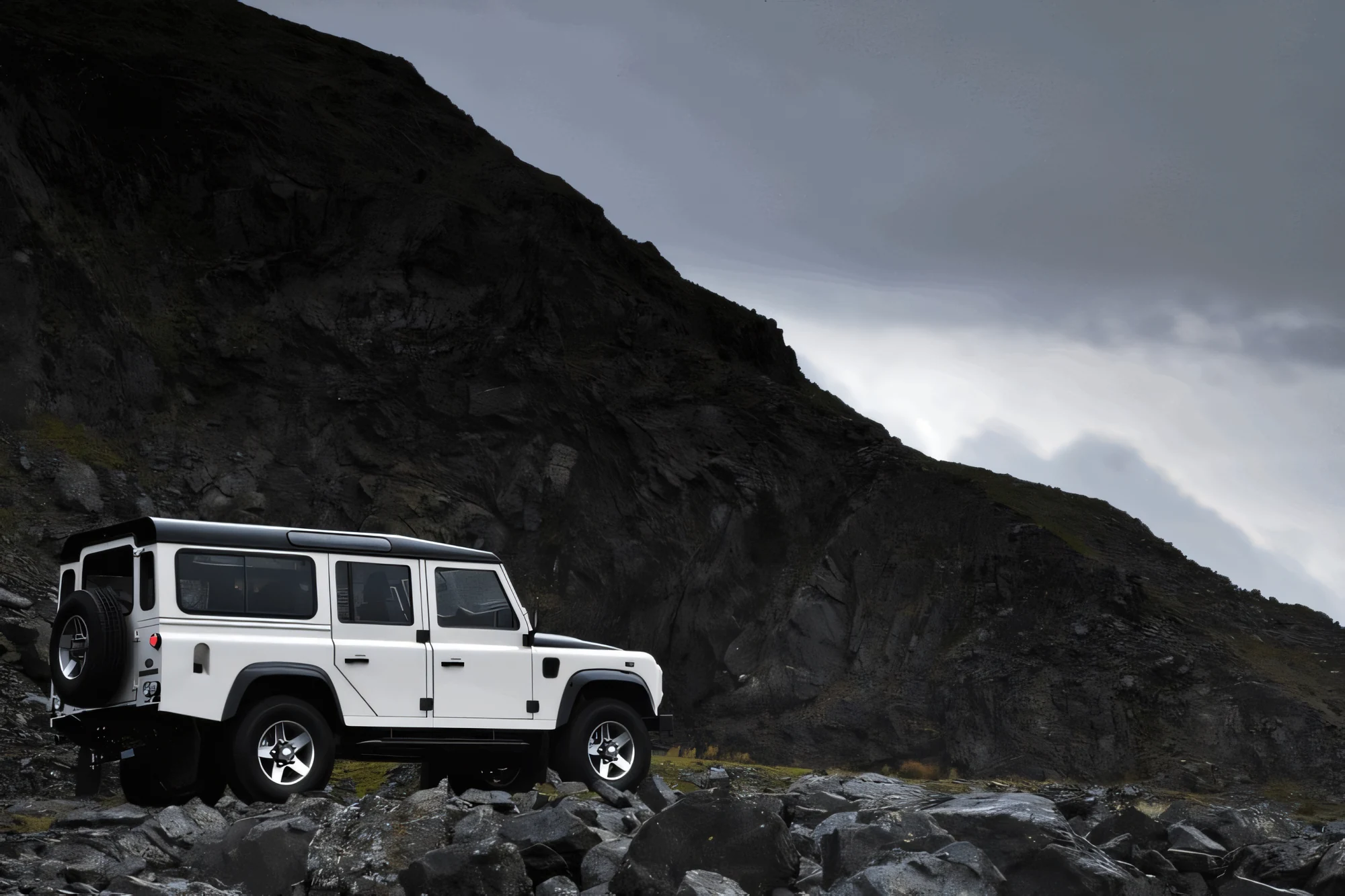
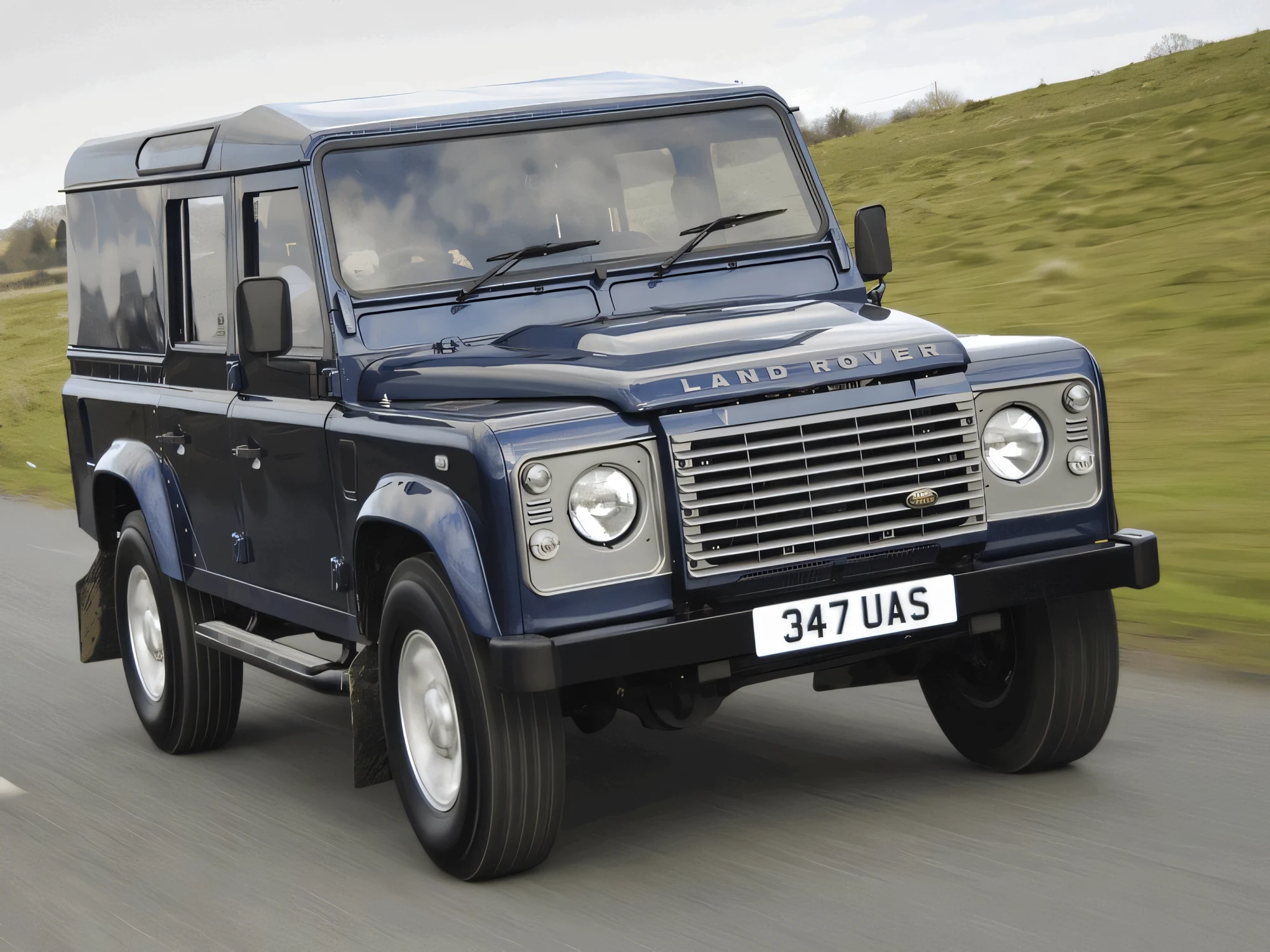
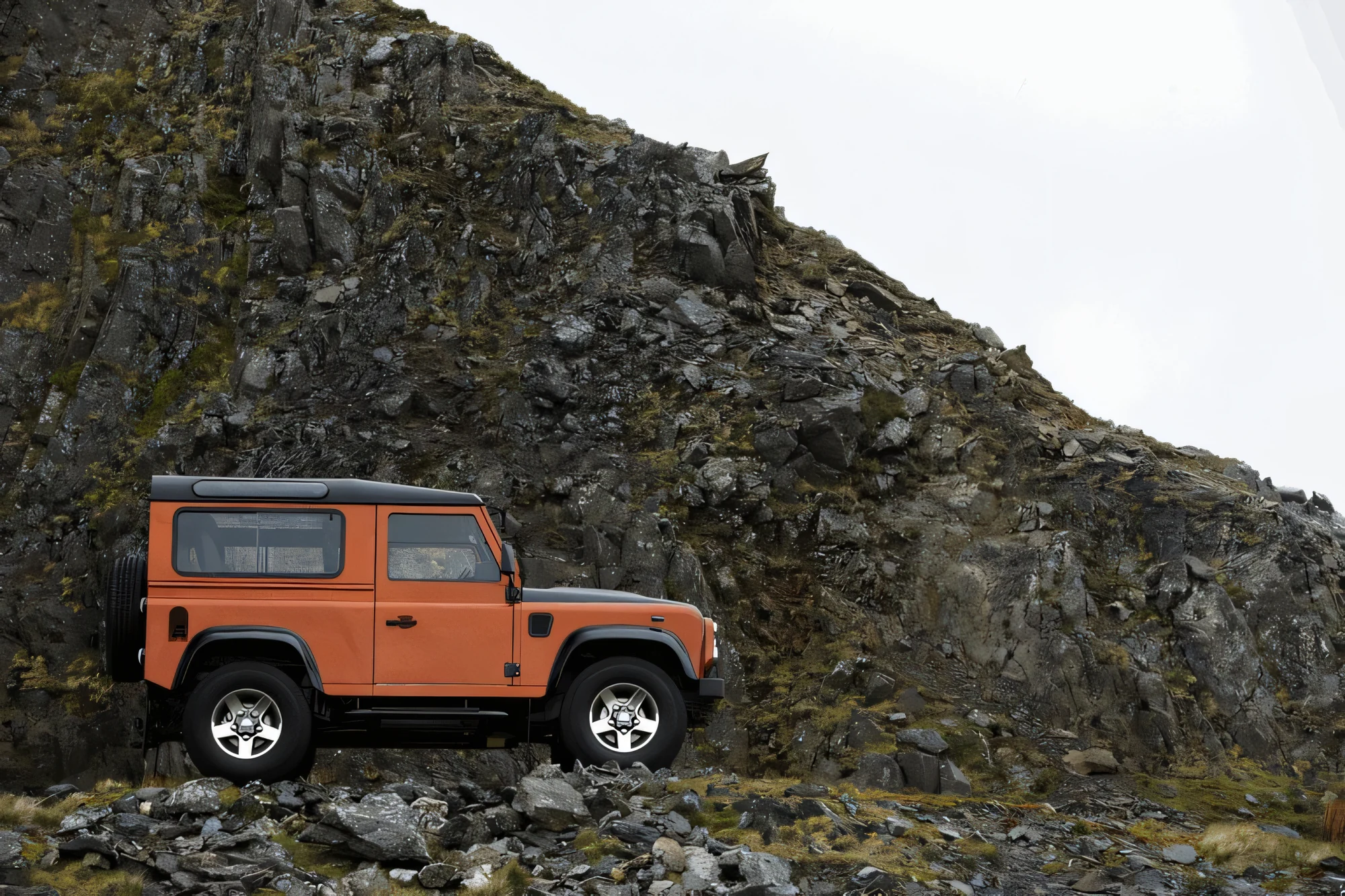
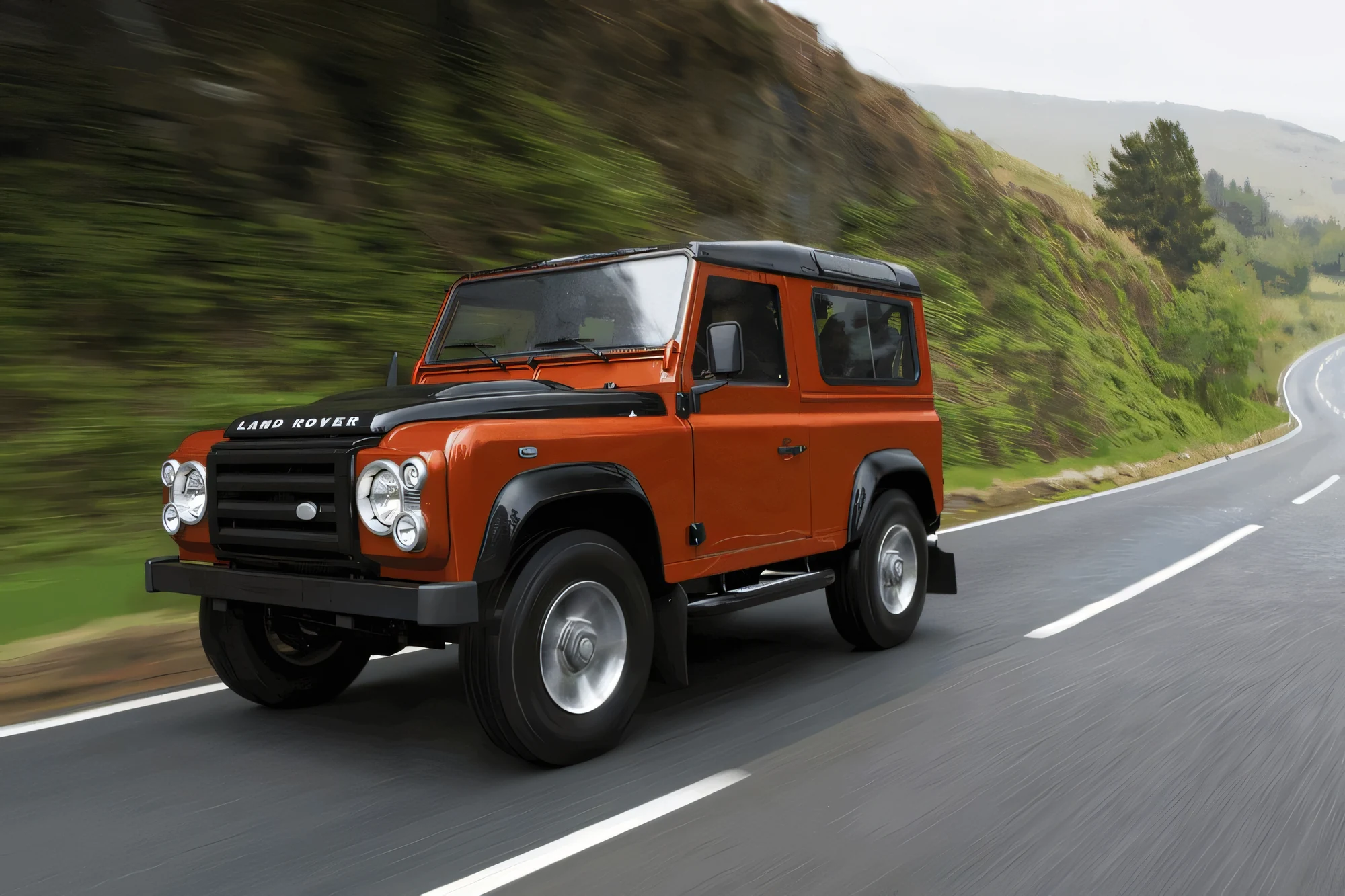
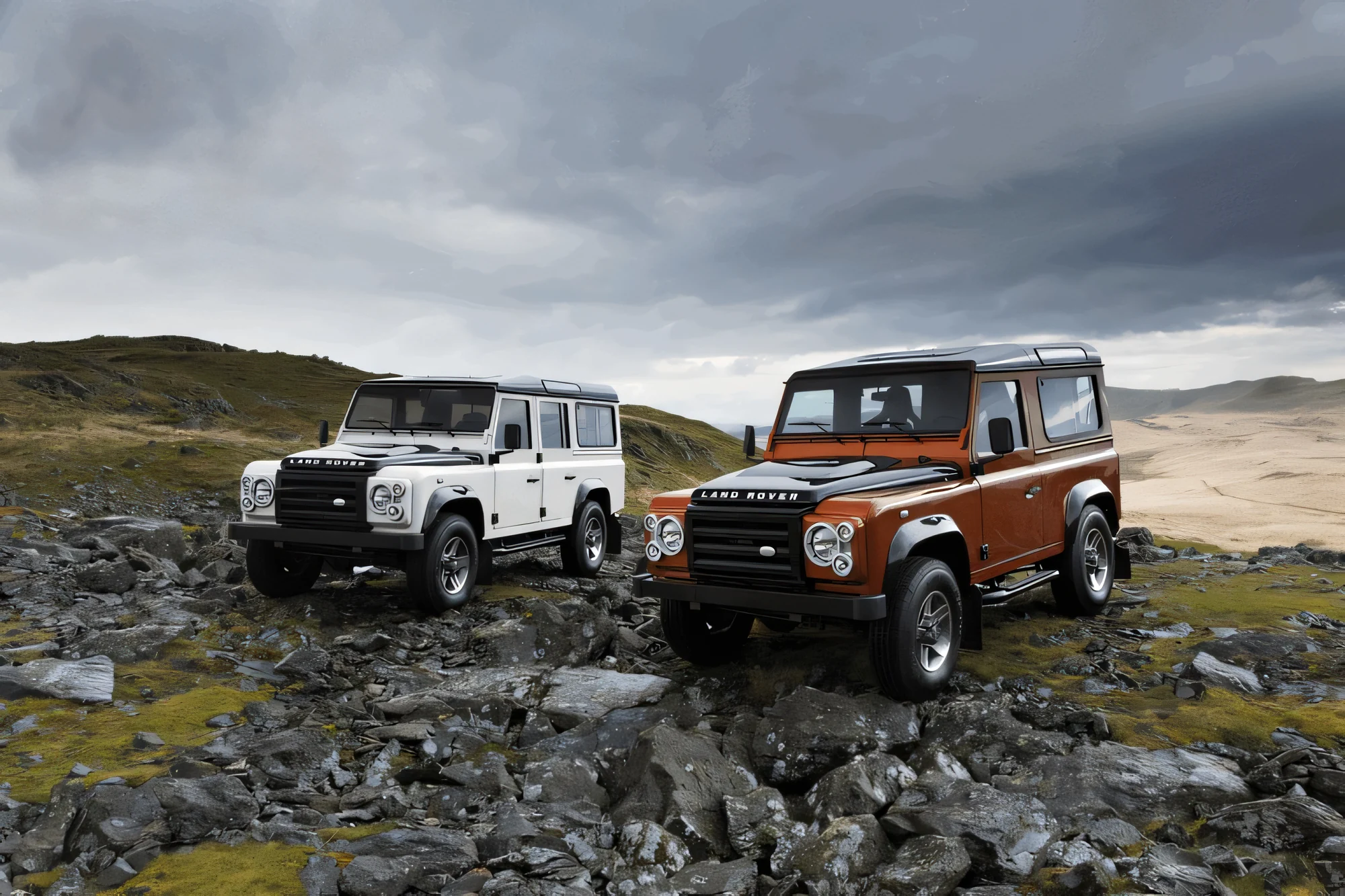
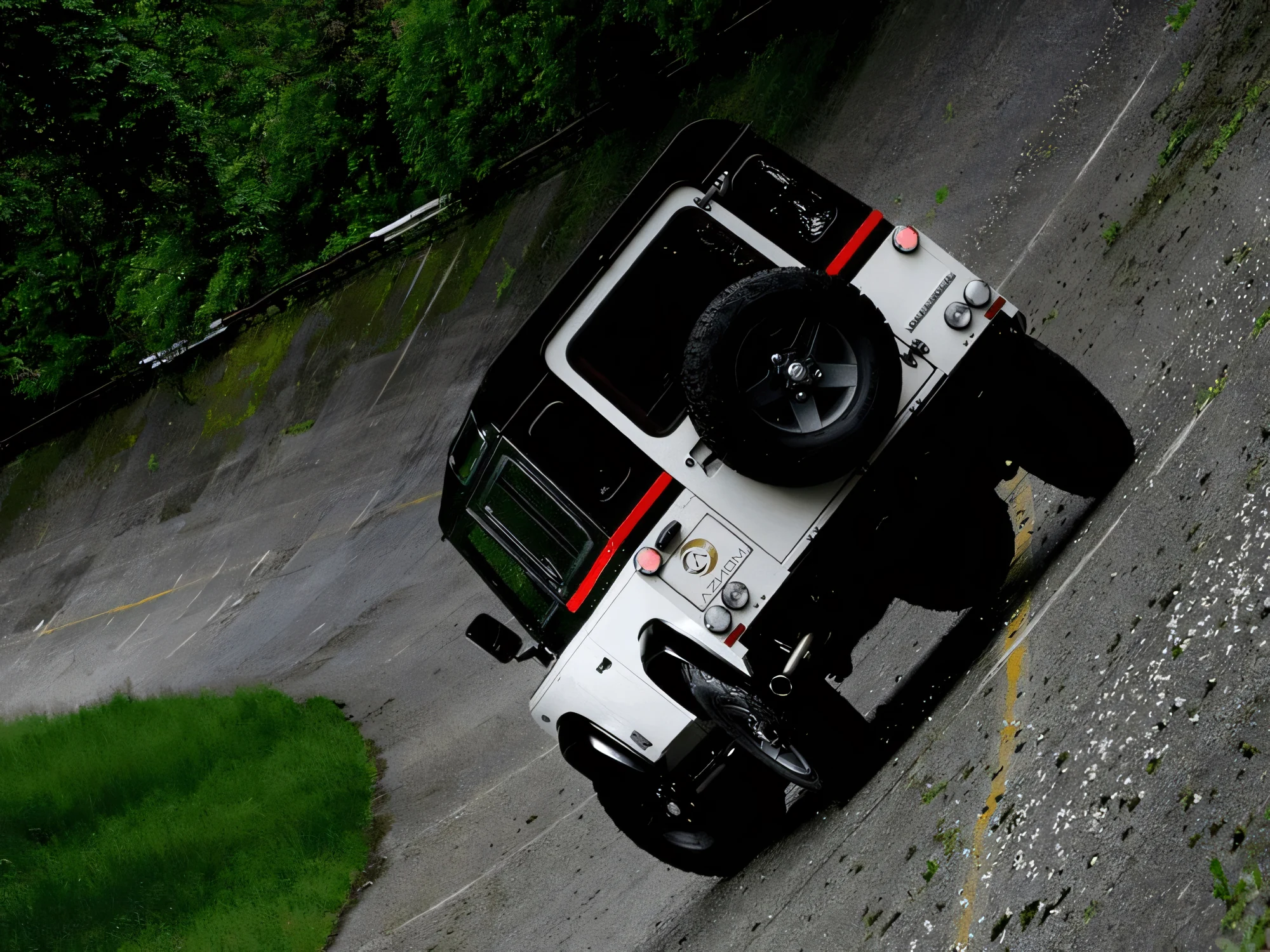
The aluminium-bodied farm tool that barely changed shape in 68 years — assembled in the Cape, engined in Atlantis, and worshipped from the Karoo to the Congo.
model2,016,933The final classic Defender's build number — over 2 million Series/Defenders since 1948ITV / Wikipedia
spec68 yrsOne near-unchanged silhouette, 1948–2016 — among the longest runs any design has managedLand Rover / Wikipedia
spec500 mmFactory wading depth of a standard Defender — before you fit a snorkelLand Rover
reimagined£400kWhat 'Defender 2,000,000' raised at Bonhams in 2015 — a production-Land-Rover recordBonhams
model1983Leaf springs out, coils in — the One Ten that became the DefenderWikipedia
track1980–2000The Camel Trophy years that made the Land Rover the world's adventure iconCamel Trophy history
The Defender kept the same silhouette for nearly 68 years and never once apologised for it. It rusts in the chassis but not the skin, makes almost no horsepower on purpose, and will take you across a continent if you look after the one thing that kills them. In South Africa it isn't a nostalgia object — it's the farm, the game reserve and the overland default, and for a while it was built here, with an engine cast in the Cape.
The body is aluminium and barely rusts — but the steel chassis and bulkhead underneath do, and that's what makes or breaks one.
South Africa didn't just sell the Land Rover, it built it — CKD in the Cape, with an SA-only diesel found on no other Land Rover on earth.
One shape, 1948 to 2016 — over two million built, and the moment production stopped, the values went vertical.
The Defender is the vehicle that decided, early on, what it was for and then refused
to be talked out of it. It began in 1948 as a farm tool with an aluminium body and a
steel ladder under it, and it ended in 2016 looking recognisably like the same thing.
In between it crossed deserts, won wars of attrition against terrain nothing else would
attempt, and became — in South Africa especially — less a car than a piece of standard
equipment for getting into the bush and back.
The shape that outlived everything
The recipe barely changed: aluminium alloy body panels — ‘Birmabright’, chosen in 1948
because steel was rationed and aluminium was plentiful from aircraft production — bolted
over a steel ladder chassis. That combination is the whole character of the thing. The
skin shrugs off corrosion; the steel underneath rots, which is why a healthy chassis and
bulkhead matter more than almost anything else on a used one. The single genuine
revolution came in 1983, when the One Ten swapped leaf springs for Range-Rover-derived
coils and transformed the ride and articulation. The range took the Defender name in
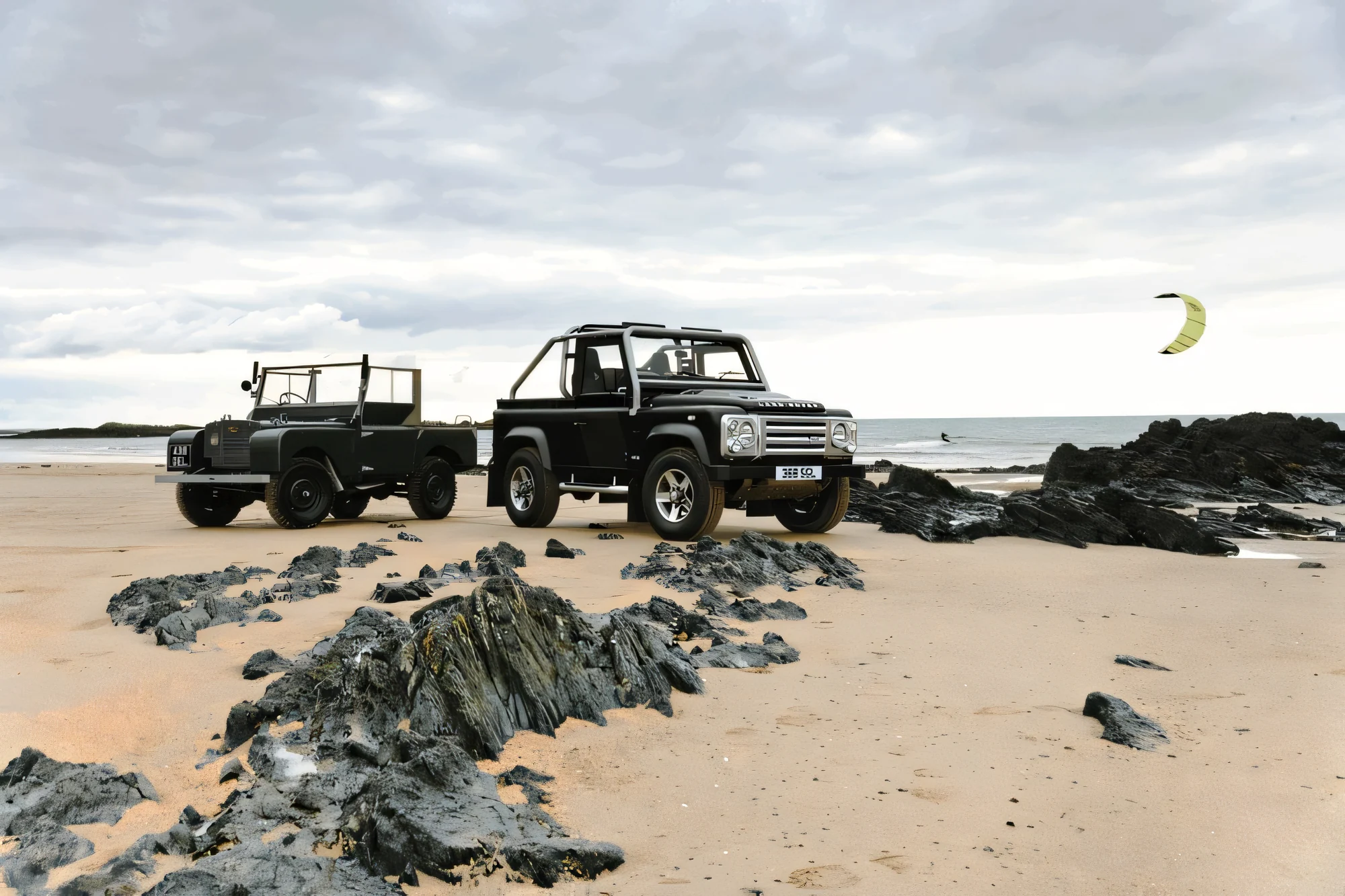
1990, to make room for the new Discovery. But stand a 1948 Series I next to a 2016
Defender and the family resemblance is almost comic — 68 years, one silhouette.
Diesels that traded speed for torque
Nobody bought a Defender to be quick, and the engines make that plain. The turbo-diesel
era ran from the 200Tdi (1990) to the 300Tdi (1994–1998), the latter a purely
mechanical 2.5 with no ECU and about 111 bhp — the engine overlanders still hunt down
because it can be fixed anywhere. The Td5 five-cylinder arrived in 1998 with ~122 hp
and, for the first time, electronic engine management; it was the last engine Land Rover
built in-house at Solihull. From 2007 the Ford ‘Puma’ TDCi took over — 2.4 then 2.2
litres, 122 hp and 360 N·m through a six-speed manual — to the very end. The numbers are
modest on purpose. What matters is low-down torque, permanent four-wheel drive, a
two-speed transfer case and low range: gearing to crawl, wade and pull, not to hurry.
The overland build
Almost everything the build scene does to a Defender is in service of going further from
help. A suspension lift with heavy springs to carry kit and clear bigger tyres; all-terrain
rubber and a raised-air-intake snorkel for water and dust; a winch on a steel bumper for
self-rescue; a roof rack, a roof-top tent, long-range fuel and water tanks and drawer
systems in the load bay. On engines the split is stark: reliability builds chase the
mechanical 300Tdi, while power builds go the opposite way with a petrol V8 or a GM LS.
The through-line is that the Defender is designed to be taken apart, upgraded and repaired
with hand tools — body-on-chassis, bolt-together panels — which is precisely why the
overland world adopted it and never really let go.
Buying one now
The Defender’s second act is as an appreciating classic. When production ended in 2016,
scarcity and nostalgia sent values climbing — running projects still trade modestly, clean
documented trucks sit well into the tens of thousands of dollars, and top restorations and
rare last-of-line examples have pushed past six figures. But the whole market runs on one
number that isn’t on the spec sheet: the state of the steel. A rusty chassis or bulkhead
turns a bargain into a money pit, and a galvanised replacement is worth more to a Defender’s
future than any power figure. Buy the chassis, then the history, then the truck — and if
it’s a genuine SA-assembled one, you’re buying a piece of South African manufacturing too.
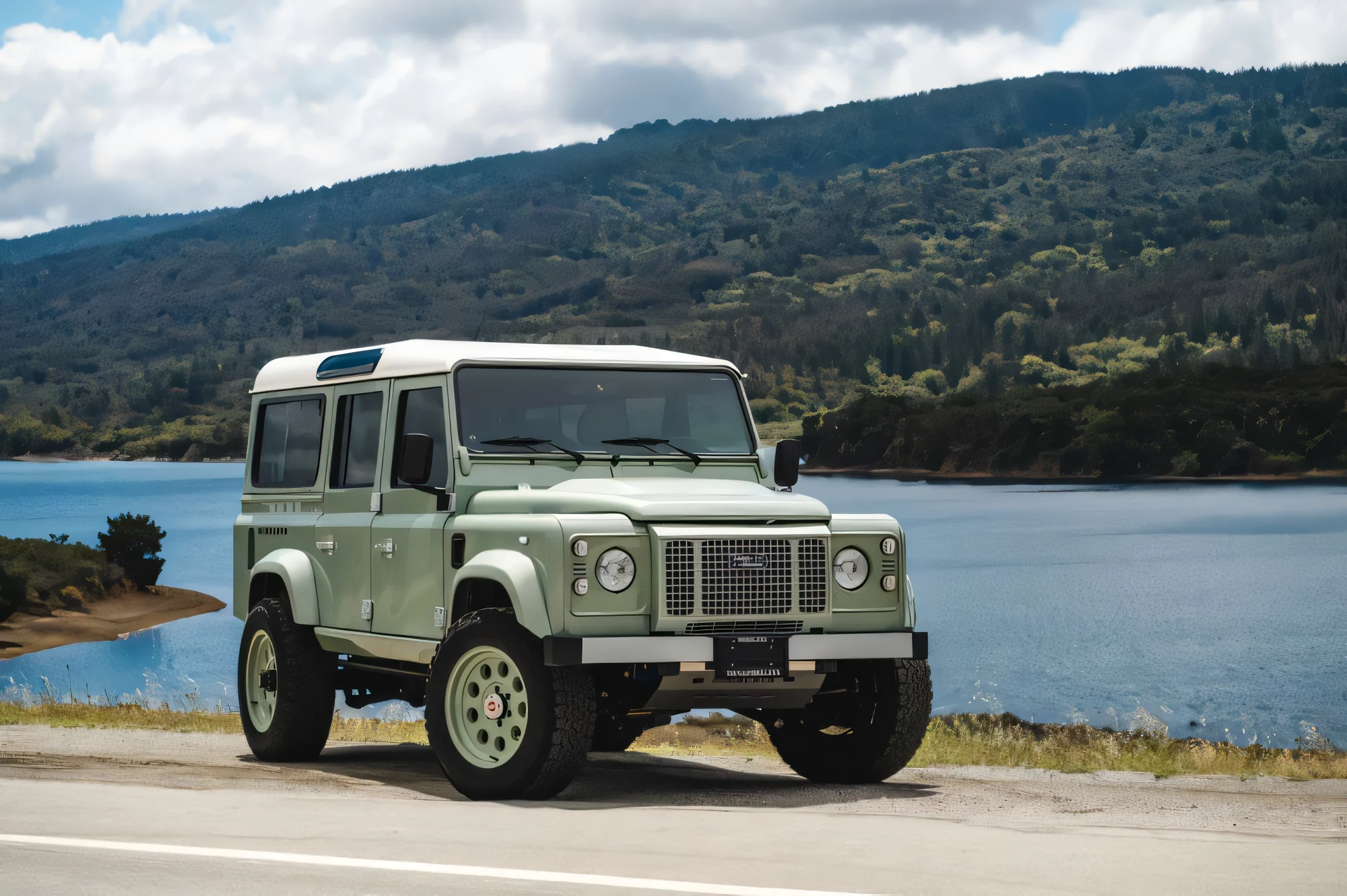
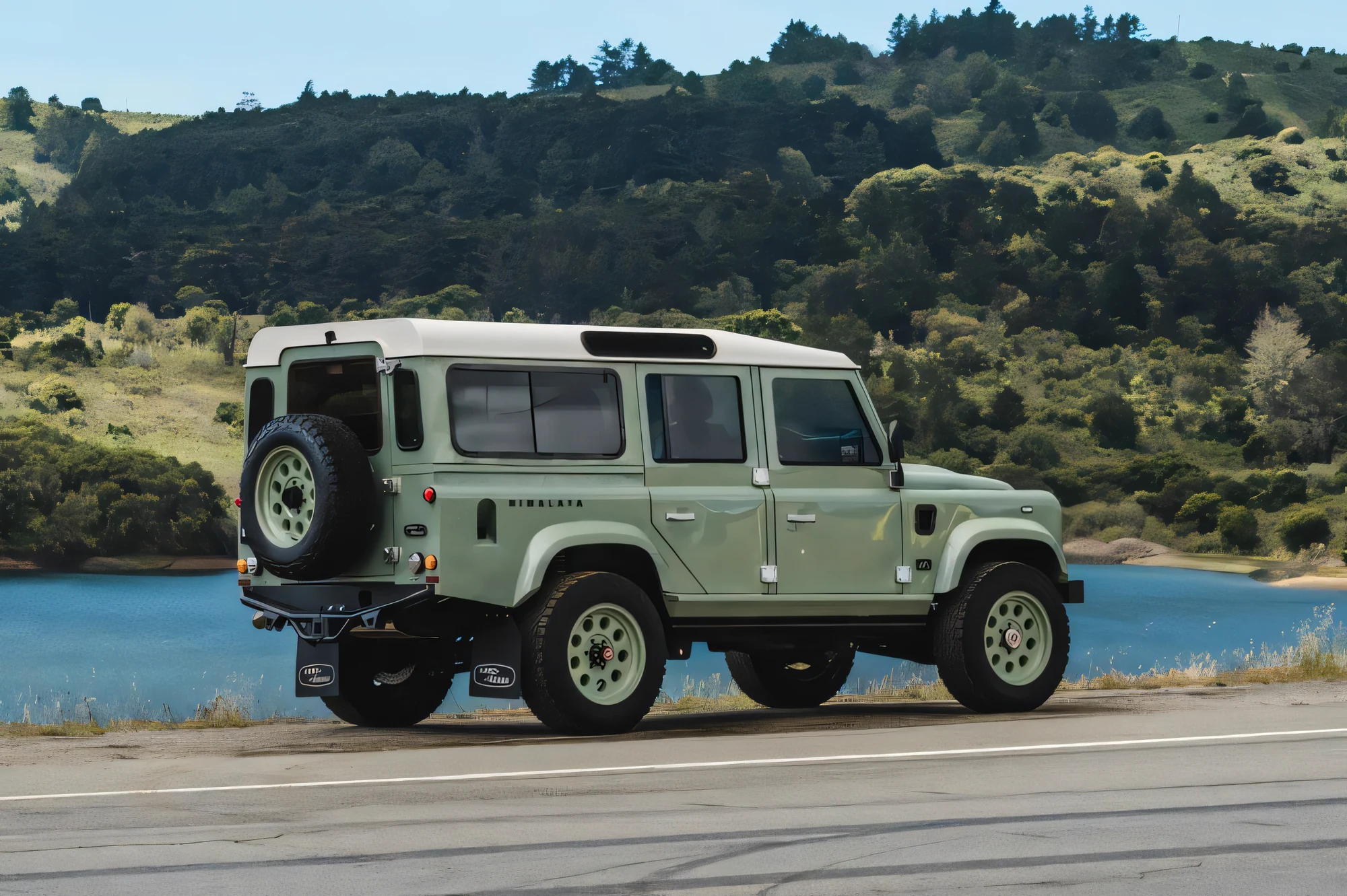
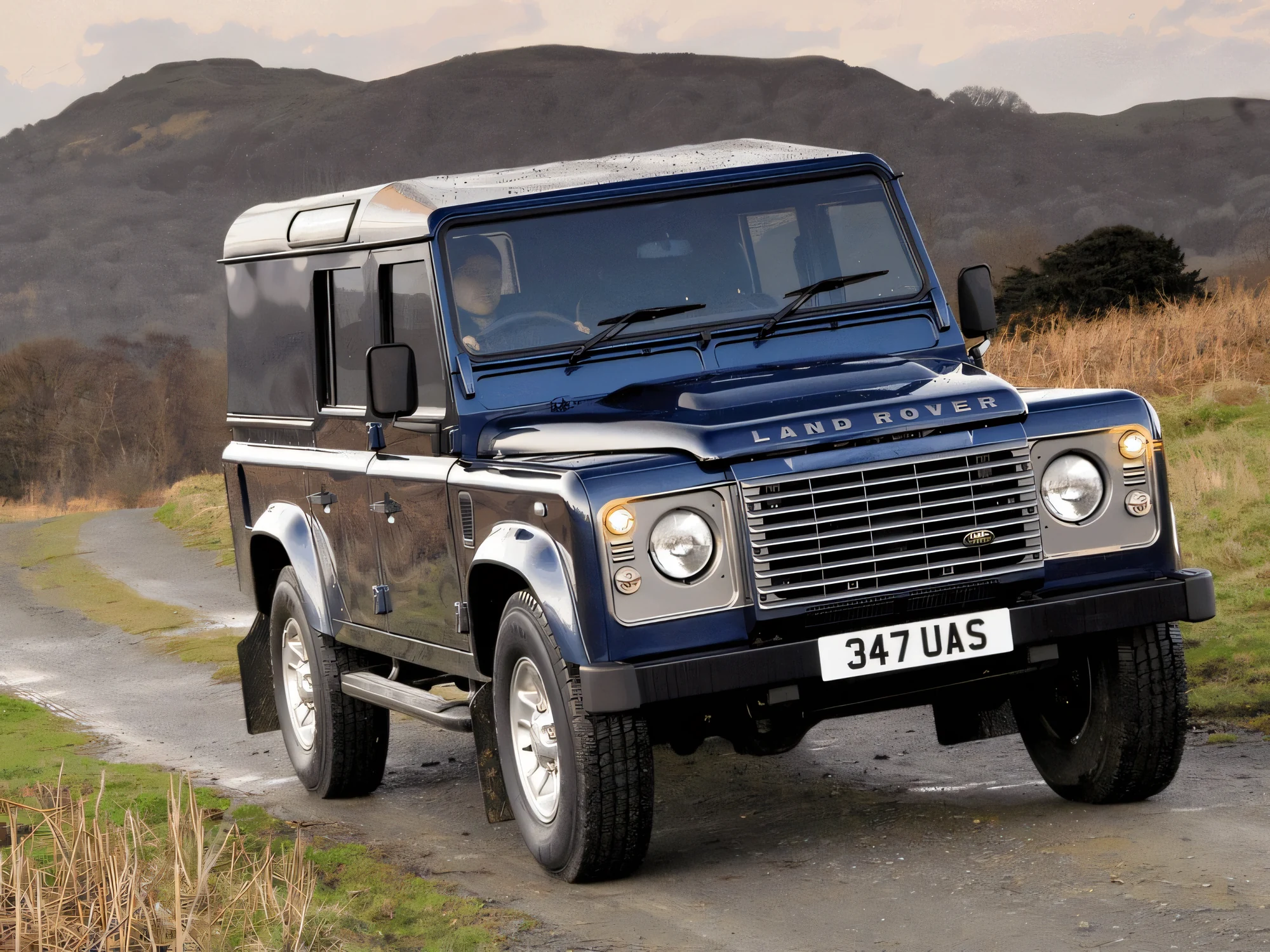
Land Rover Defender 110 by Himalaya (1992) · Manufacturer press
The Land Rover South Africa built for itself
Cast in the Cape, engined in Atlantis
South Africa didn't import the Land Rover so much as build it. From completely-knocked-down kits, Leyland SA assembled Land Rovers at its Blackheath plant in the Cape — and by the early 1980s Blackheath was reported as the single largest Land Rover CKD assembly operation anywhere outside the United Kingdom. This was a serious node in global Land Rover manufacturing, not a bit player.
It got stranger, and more local, than assembly. Apartheid-era sanctions and local-content law penalised vehicles fitted with imported engines, so the government set up Atlantis Diesel Engines (ADE) in 1979 to build diesels at home under Mercedes and Perkins licences. The result was a genuinely South African Land Rover: the Series IIIS, built by Leyland SA in the early 1980s, ran a locally made ADE four-cylinder diesel fitted to no other Land Rover in the world. Later, in the BMW-ownership years, South Africa built a Defender 2.8i using the BMW M52 straight-six — another variant Europe never got.
That heritage is why the Defender reads differently here. It's the farm bakkie, the game-reserve workhorse and the overland tool that crossed the continent under people like Kingsley Holgate — a vehicle rooted in bush utility, assembled locally, and, for a while, powered by an engine cast in the Cape.
How it gets modified
The modifications that actually get done — what each does, roughly what it gains, roughly what it costs.
Stance
Lift + heavy-duty springs
The base of every overland build: a modest suspension lift with heavy-rate springs and dampers to carry the weight of kit, recover articulation and clear bigger tyres. The coil-sprung chassis (post-1983) takes to it far better than the old leaf-sprung Series ever could.
All-terrain (or mud-terrain) tyres for the traction, and a raised-air-intake snorkel — the signature Defender mod. The factory 500 mm wading figure is a conservative safety rating; the snorkel lifts the real limit well past it and keeps dust out on a Kalahari two-track.
Deeper water, cleaner airTyres + snorkel kit
Recovery
Winch on a steel bumper
A winch mounted to a steel replacement bumper is the self-rescue insurance for solo travel where there's no one to pull you out. It also stiffens the front for the abuse that follows a roof rack, a roof-top tent and long-range tanks.
Get yourself unstuckWinch + bumper
Engine
The 300Tdi swap
The overland world's favourite heart transplant: the 300Tdi is purely mechanical with no ECU, so it can be fixed with hand tools far from anywhere. For power builds people go the other way entirely — a petrol V8 or a GM LS — but for reliability the 300Tdi is the one they hunt down.
Field-serviceable torqueEngine + swap
Keep it real
Galvanise the chassis
The single most valuable thing you can do to a Defender isn't power — it's a galvanised replacement chassis and bulkhead. The aluminium body outlives everything; the steel under it is what rots, and sorting it is what turns a project into a keeper.
It stops dyingChassis + a rebuild
Every frame
The whole set — tap any to blow it up.
The progression
The numbers that actually changed, generation by generation.
Power was never the point
These are the outputs of a diesel built to pull, wade and crawl in low range — not to hurry. The Defender's whole argument is torque and gearing, so the horsepower figures stayed almost comically modest right to the last one off the line.
300Tdi
111 hp
1994 · no ECU
Td5
122 hp
1998 · five-cyl
Puma
122 hp
2007–16 · Ford
One shape, 68 years
From the 1948 Series I to the last 2016 Defender, the silhouette barely moved — one of the longest runs any near-unchanged design has managed. Only a handful of utilitarian icons kept going as long.
Land Rover
68 years in production
1948–2016
VW Beetle
65 years in production
1938–2003
Citroën 2CV
42 years in production
1948–1990
Classic Mini
41 years in production
1959–2000
The spec sheet
Specs by generation — pick an era.
Series I–III · 1948–1985
Born
1948, Amsterdam Motor Show — Maurice Wilks' beach sketch
Body
'Birmabright' aluminium alloy — steel was rationed post-war
Chassis
Steel ladder frame · leaf springs · part-time 4WD
Purpose
A farm and PTO utility built to work, not to coddle
SA twist
The local Series IIIS ran an SA-built ADE diesel
Ninety / 110 · Tdi · 1983–1998
The leap
Coil springs replace leaf (One Ten 1983, Ninety 1984)
The name
Renamed 'Defender' in 1990, after the Discovery arrived
Diesels
200Tdi (1990) → 300Tdi (1994) 2.5 turbo-four
300Tdi
~111 bhp · 264 N·m · no ECU · the reliable one
Built here
CKD-assembled at Blackheath, Cape Town
Td5 · 1998–2007
Engine
2.5L Td5 five-cylinder turbo-diesel
Power
~122 hp
First
Electronic engine management — a Defender first
Last
The final engine built in-house at Solihull
Driveline
Permanent 4WD · two-speed transfer · low range
Puma TDCi · 2007–2016
Engine
Ford DuraTorq 'Puma' — 2.4 TDCi, then 2.2 (2012)
Power
122 hp @ 3,500 · 360 N·m @ 2,000
Gearbox
MT82 6-speed manual
Off-road
Permanent 4WD · lockable centre diff · ~250 mm clearance
Wading
500 mm factory-rated (before a snorkel)
The end
Last one built 29 Jan 2016 — the 2,016,933rd
South Africa · CKD-built
Plant
CKD-assembled at Blackheath, Cape Town (Leyland SA)
Scale
Largest Land Rover CKD assembly outside the UK by the early '80s
SA-only engine
The Series IIIS ran the local ADE diesel — on no other Land Rover
Why
Apartheid-era local-content law penalised imported engines
SA-only Defender
2.8i with the BMW M52 six, built at Rosslyn (~1997–2001)
Its role
The farm, game-reserve and overland default across Africa
Straight answers
Why doesn't a Land Rover rust like other old 4x4s — but people still warn about rust?
Because the two halves of the car are made of different metals. The body panels are 'Birmabright' aluminium alloy — chosen in 1948 because post-war steel was rationed — and they barely corrode. But the ladder chassis and the bulkhead underneath are steel, and they famously rot. That split is why a whole industry exists selling galvanised replacement chassis and bulkheads, and why chassis integrity, not mileage, is the first thing a buyer checks.
Did South Africa really build its own Land Rover engine?
Yes. Under apartheid-era local-content law, vehicles with imported engines were penalised, so the government founded Atlantis Diesel Engines in 1979 to build diesels at home. The SA-only Series IIIS, assembled by Leyland SA in the early 1980s, ran a locally made ADE four-cylinder diesel that was fitted to no other Land Rover anywhere in the world — a genuinely South African Land Rover, engine included.
Is it true a Defender once had a BMW engine — and only in South Africa?
It is. During the BMW-ownership era, South Africa built a Defender 2.8i powered by the BMW M52 straight-six petrol engine, reported to have been assembled at Rosslyn around 1997–2001. It was never sold as a mainstream European model, which makes it one of the more unusual factory Defenders there is.
Which Defender engine do overlanders actually want?
The 300Tdi, and it's not close. It's a purely mechanical 2.5 turbo-diesel with no ECU, which means it can be diagnosed and fixed with hand tools in the middle of nowhere. The reputation is real enough that the British Army kept ordering 300Tdi Defenders even after the more powerful, electronically managed Td5 arrived — reliability and field-serviceability beat outright power for people whose lives depend on the truck.
Was the last Defender really the end of a 68-year 'unchanged' design?
Almost — with an asterisk. Classic production ended on 29 January 2016 with a Grasmere Green 90, the 2,016,933rd unit, capping over two million Series and Defenders since 1948. But 'unchanged' is a myth people love: coil springs replaced leaf springs in 1983, and the engines changed repeatedly from petrol to Tdi to Td5 to Ford's Puma. The silhouette barely moved for 68 years; almost everything under it did.
Why is the wading depth 'only' 500 mm when you see them cross rivers?
Because 500 mm is Land Rover's conservative factory safety rating for a standard truck with no modifications — set well below where water would actually reach the air intake and electrics. Fit a raised-air-intake snorkel and the real limit climbs well past that figure, which is exactly why the snorkel is the signature Defender modification rather than a styling affectation.