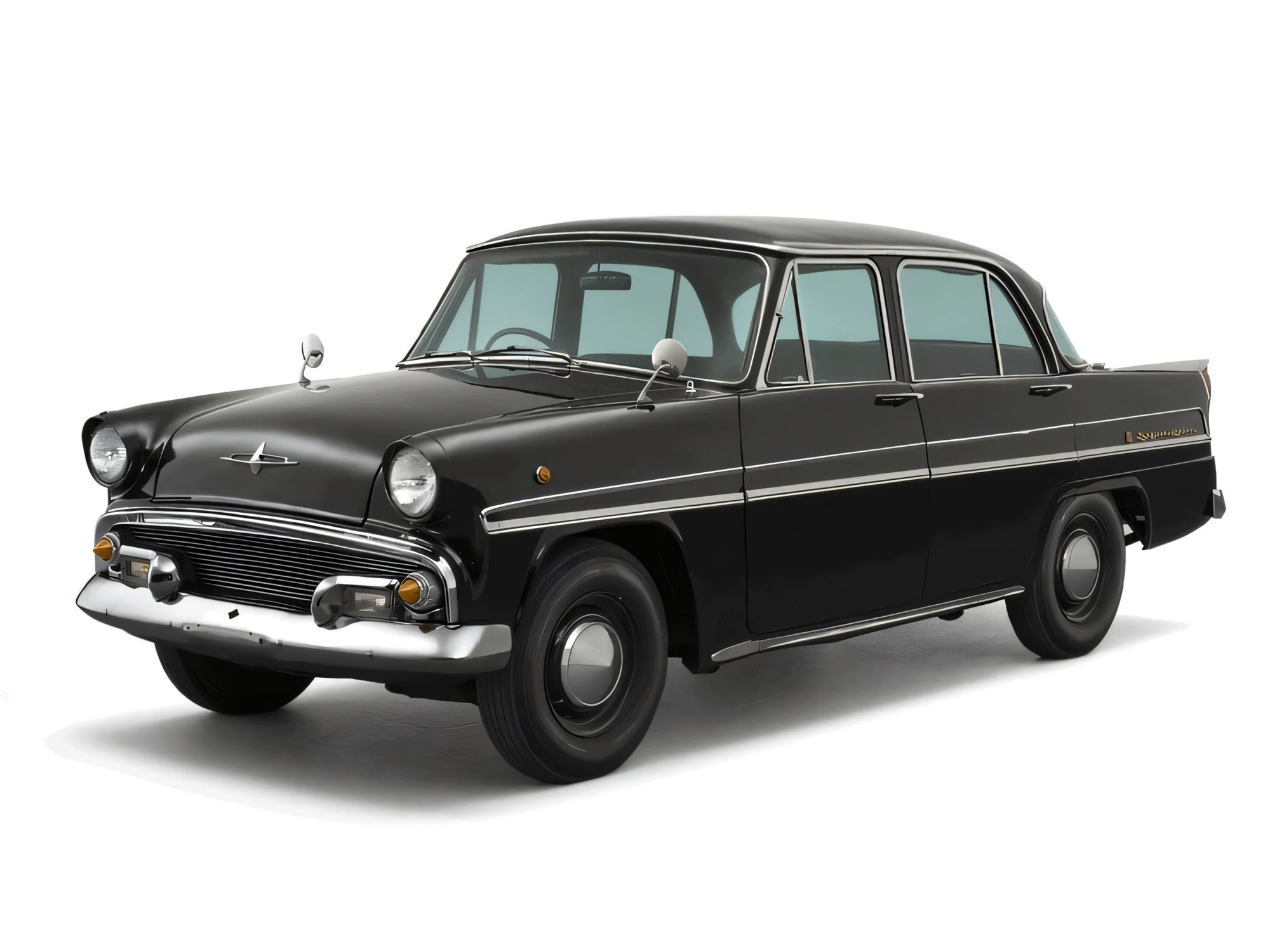
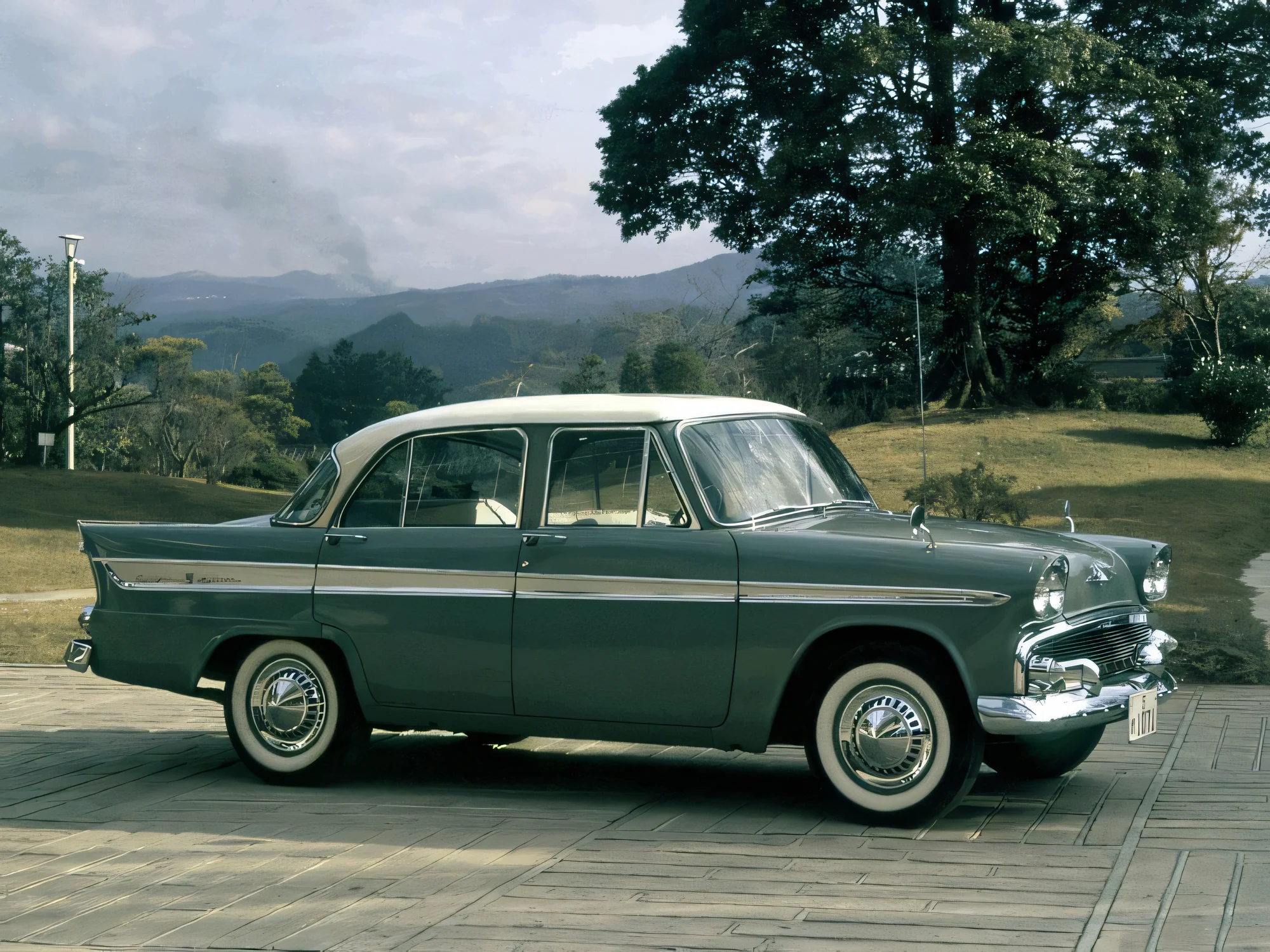
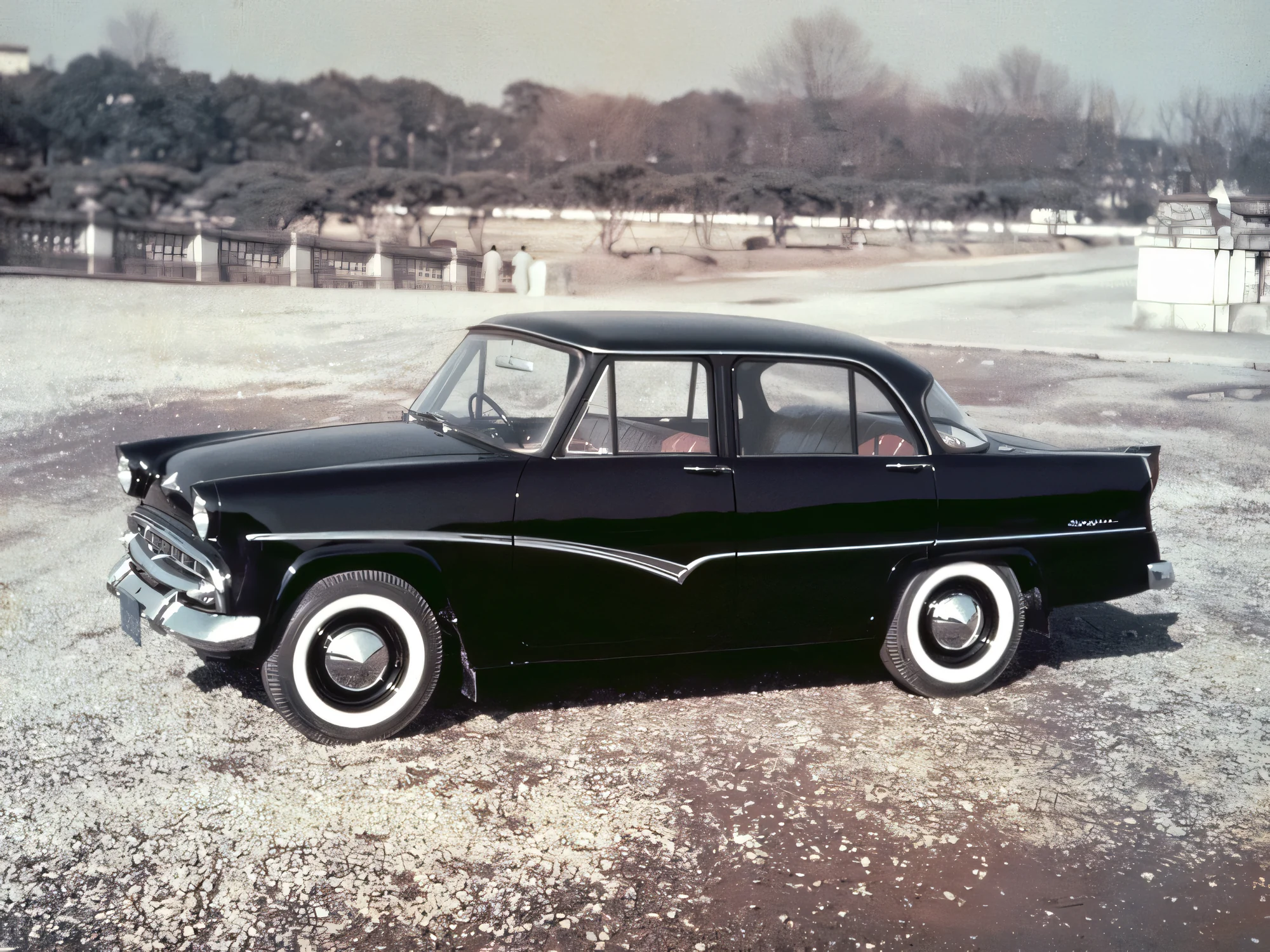
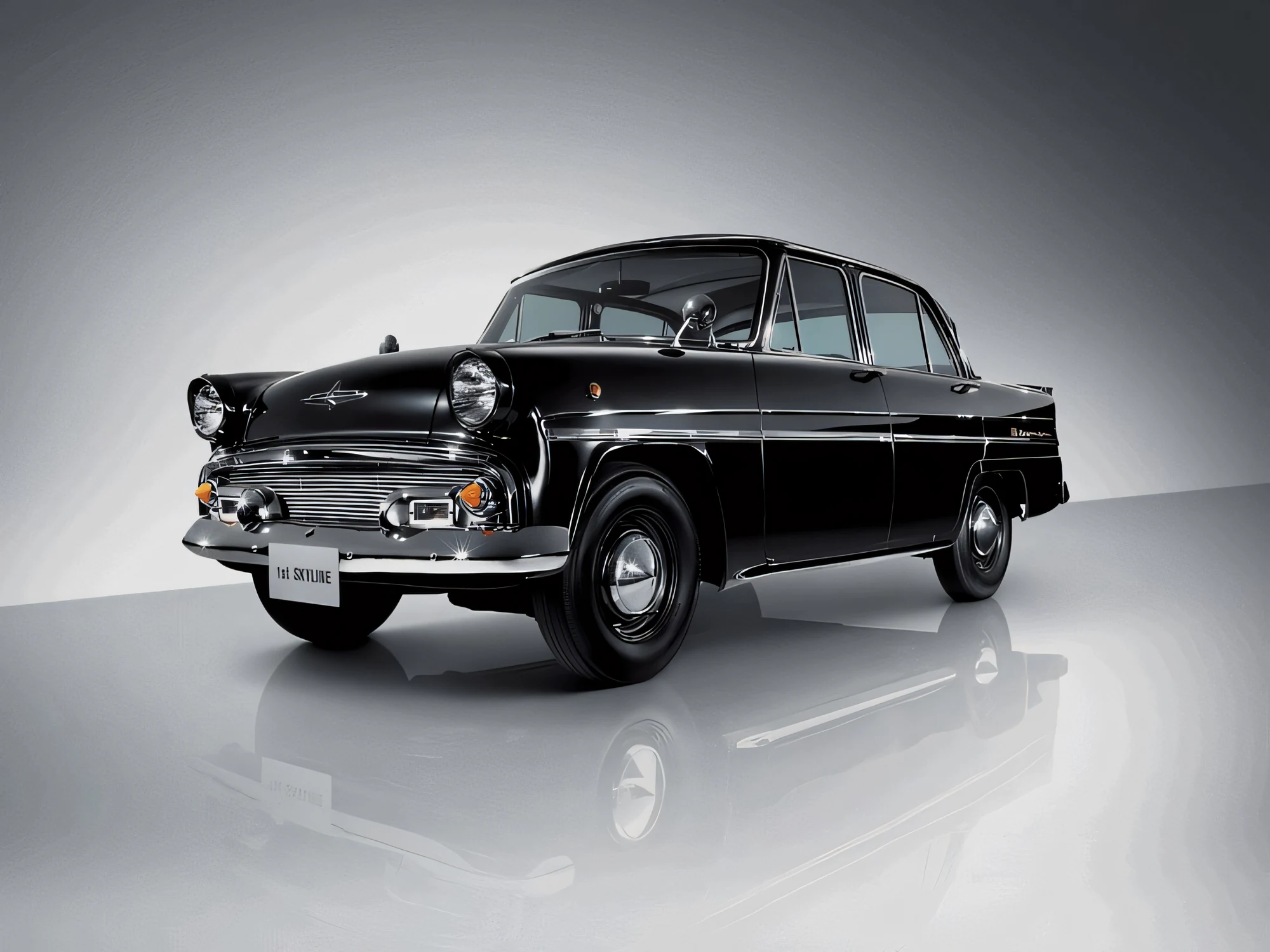
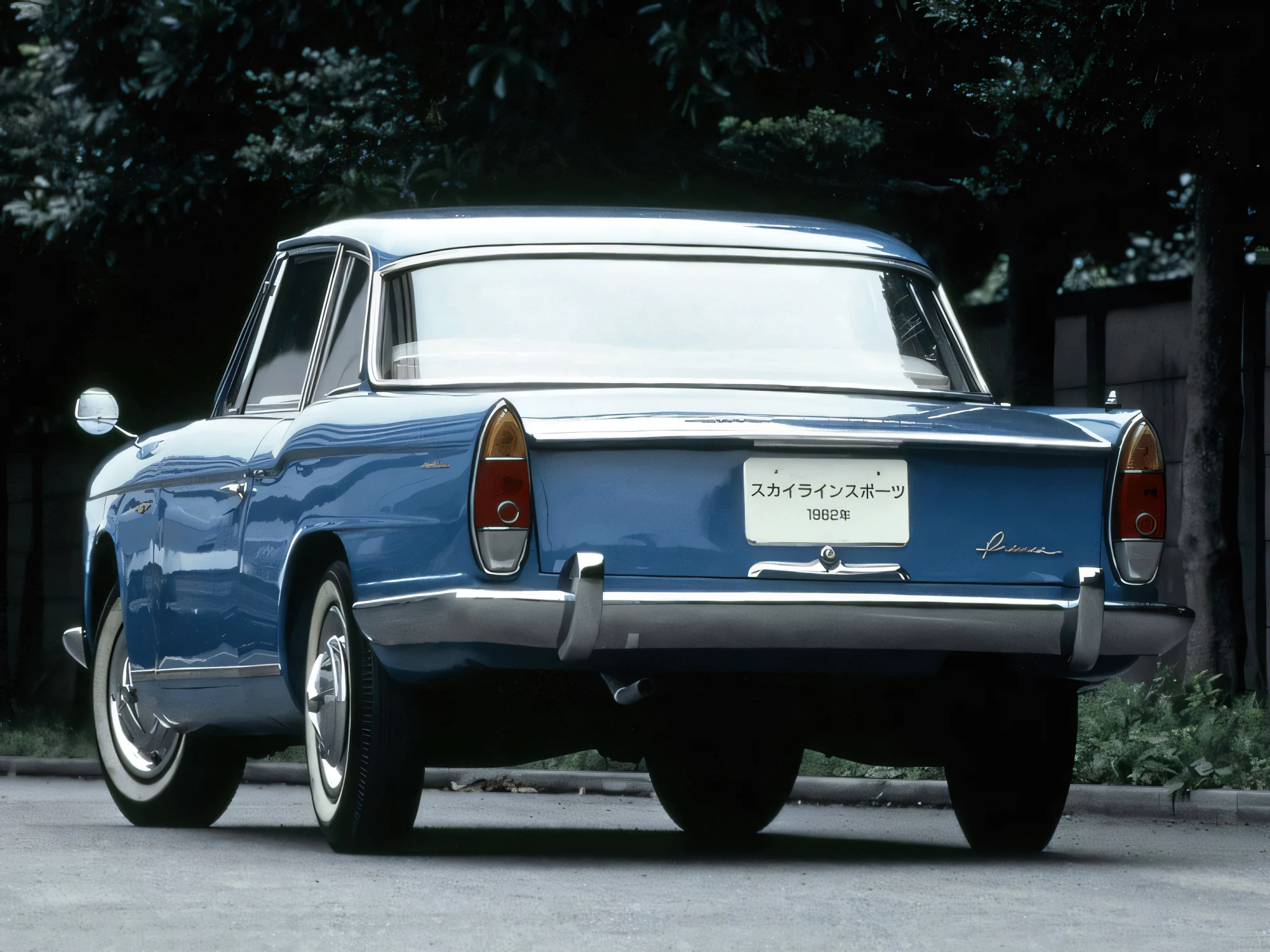
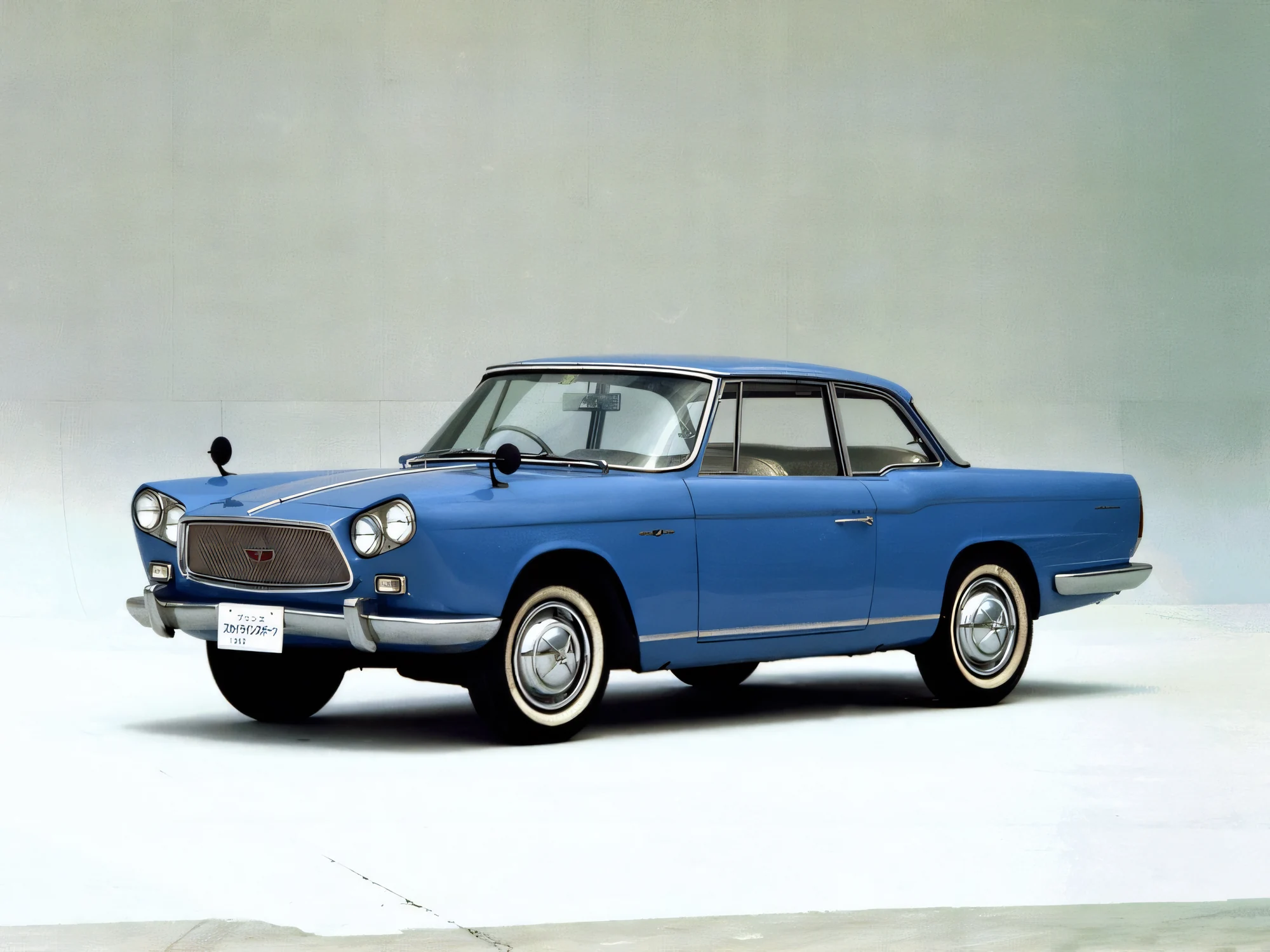
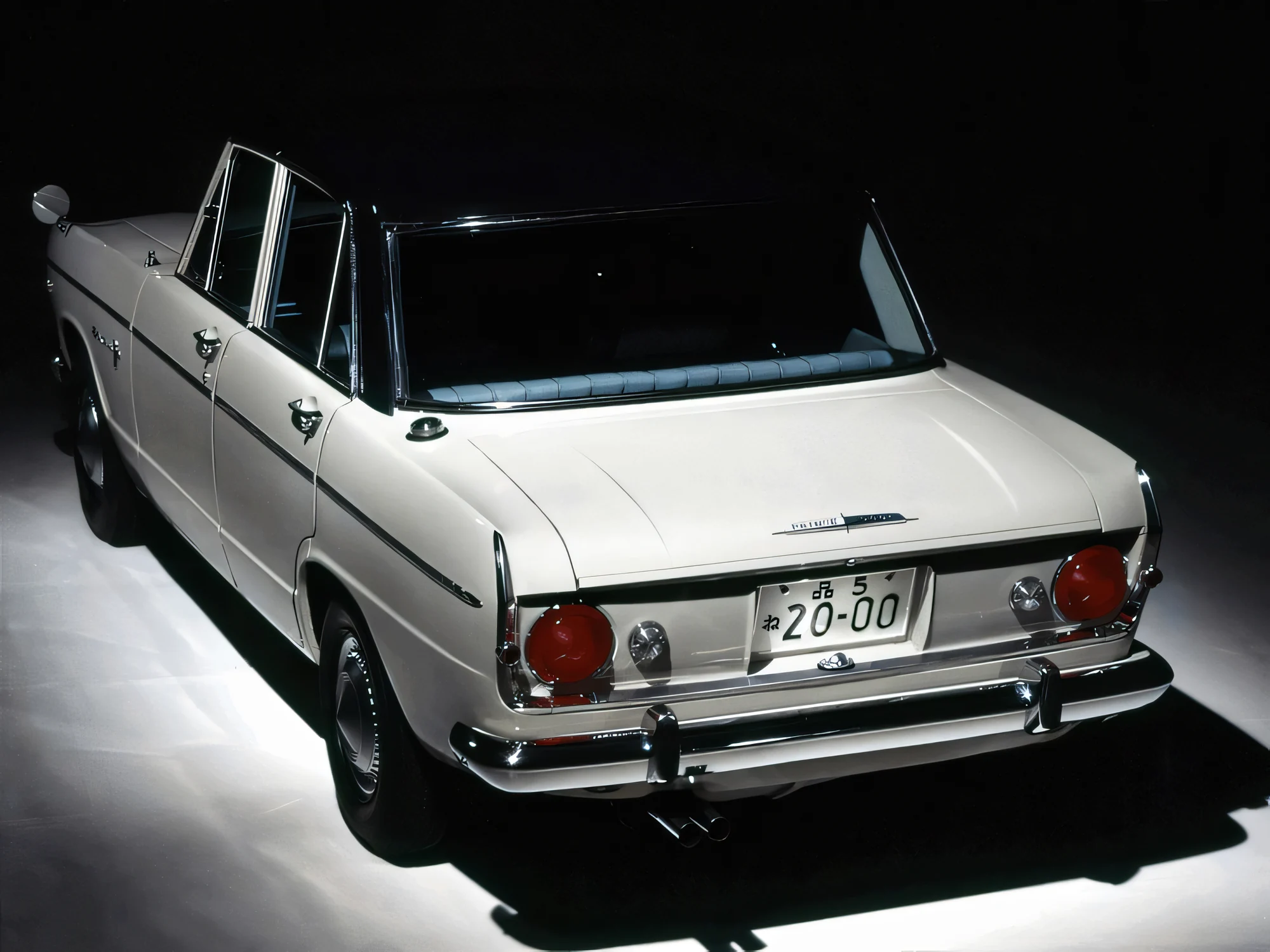
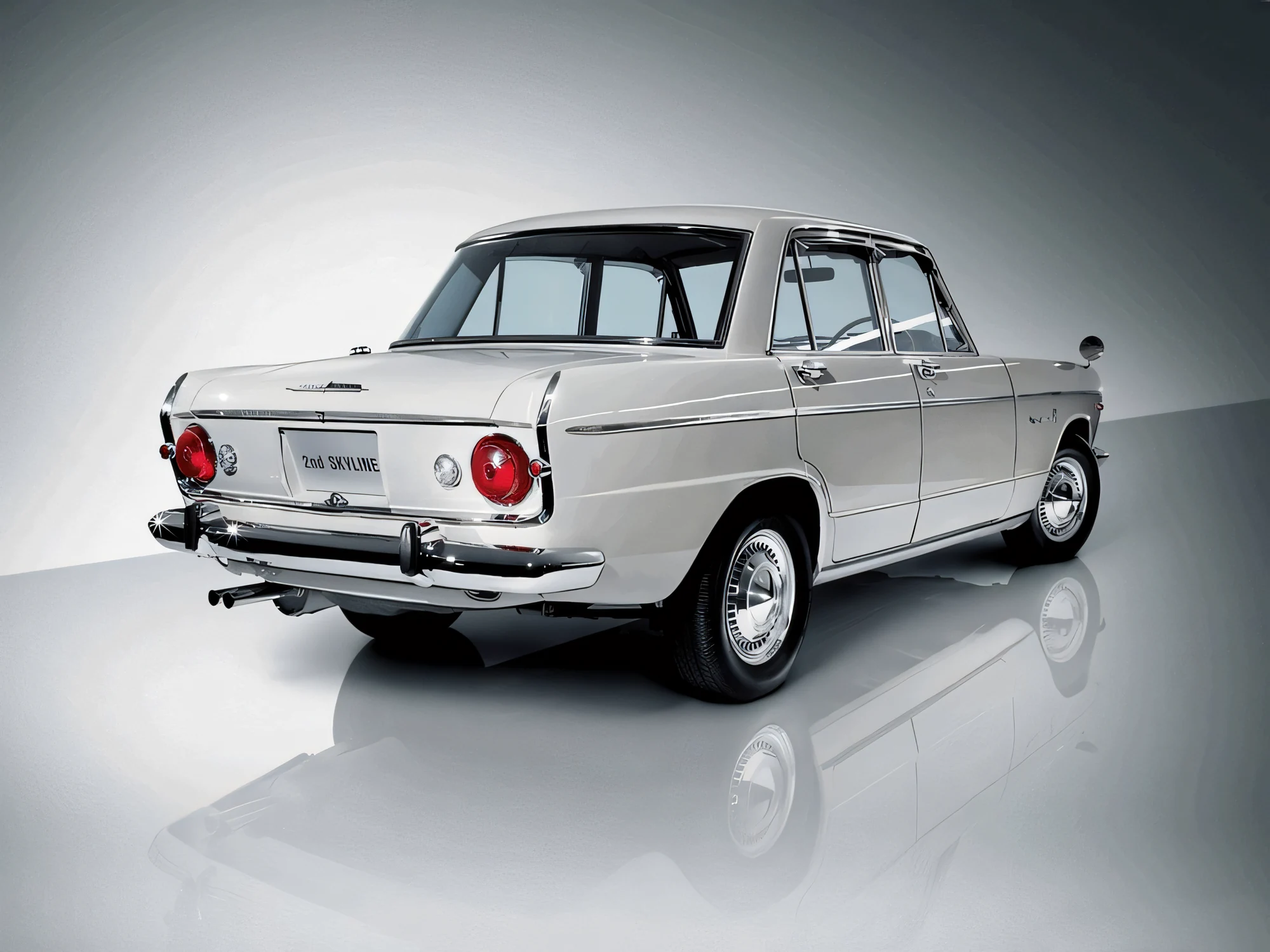
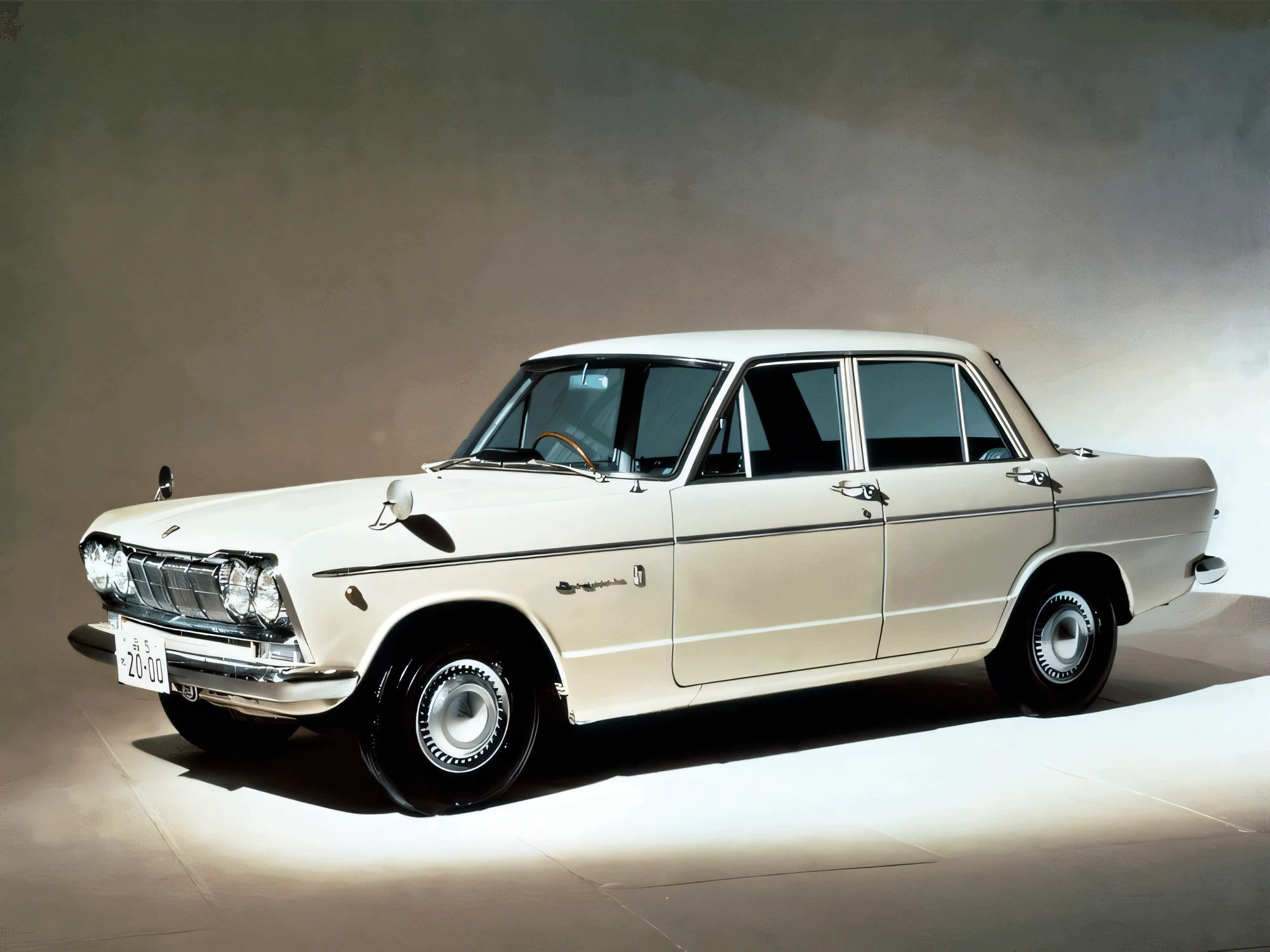
model1957The year the Skyline began — as a Prince, not a NissanNissan Heritage
track~50Race wins the first (Hakosuka) GT-R took between 1969 and 1972Nissan / marque history
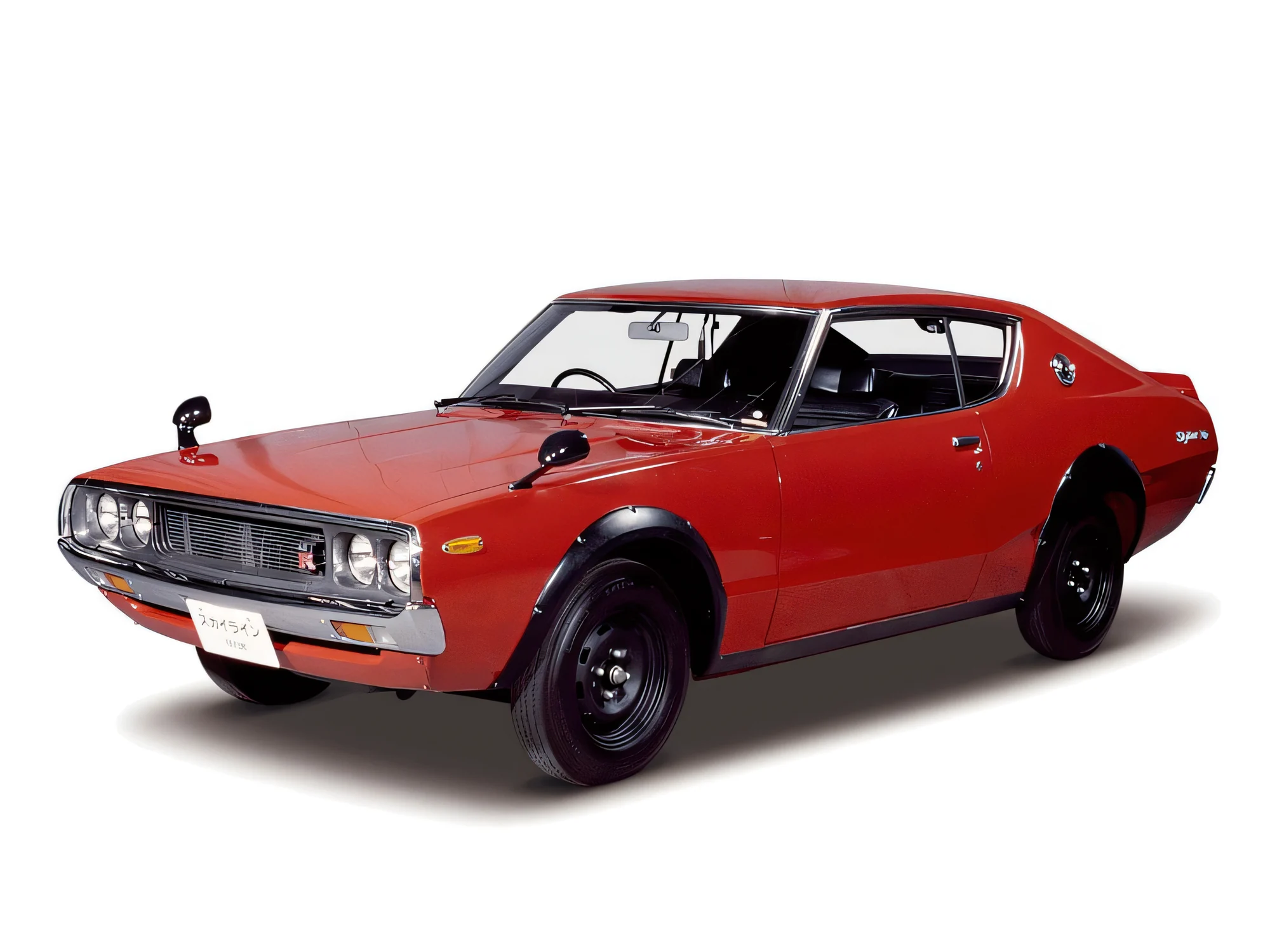
model197Kenmeri GT-R units built before emissions killed it — the rarest classic GT-RWhichCar / Nissan
spec280 PSThe R32 GT-R's quoted power — a gentlemen's-agreement cap it quietly ignoredNissan / JAMA
track×2Consecutive Bathurst 1000 wins for the R32 GT-R (1991–92)ATCC / Bathurst records
dyno550 whpWhat the RB26 will take on its stock bottom endTuner consensus
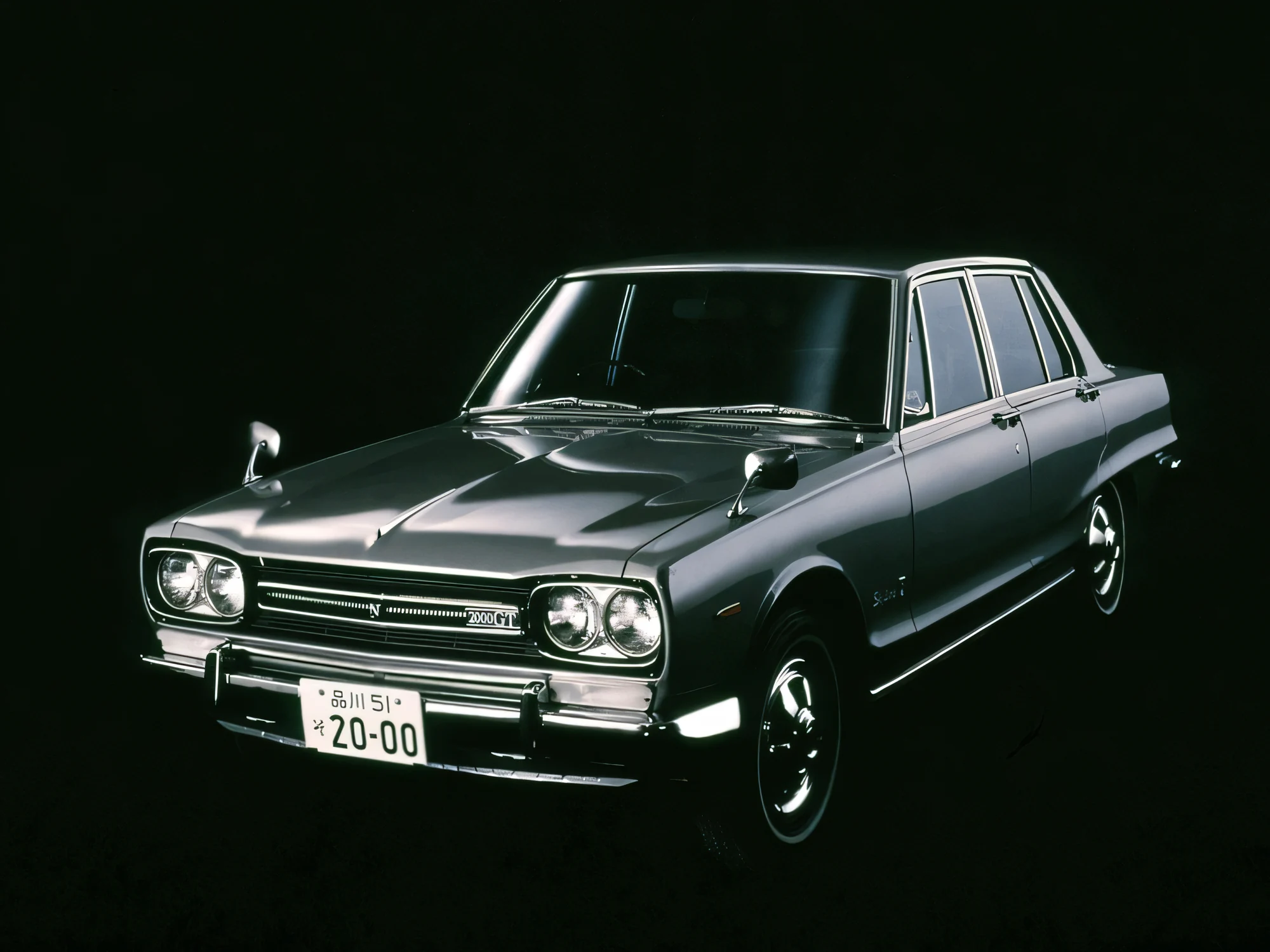
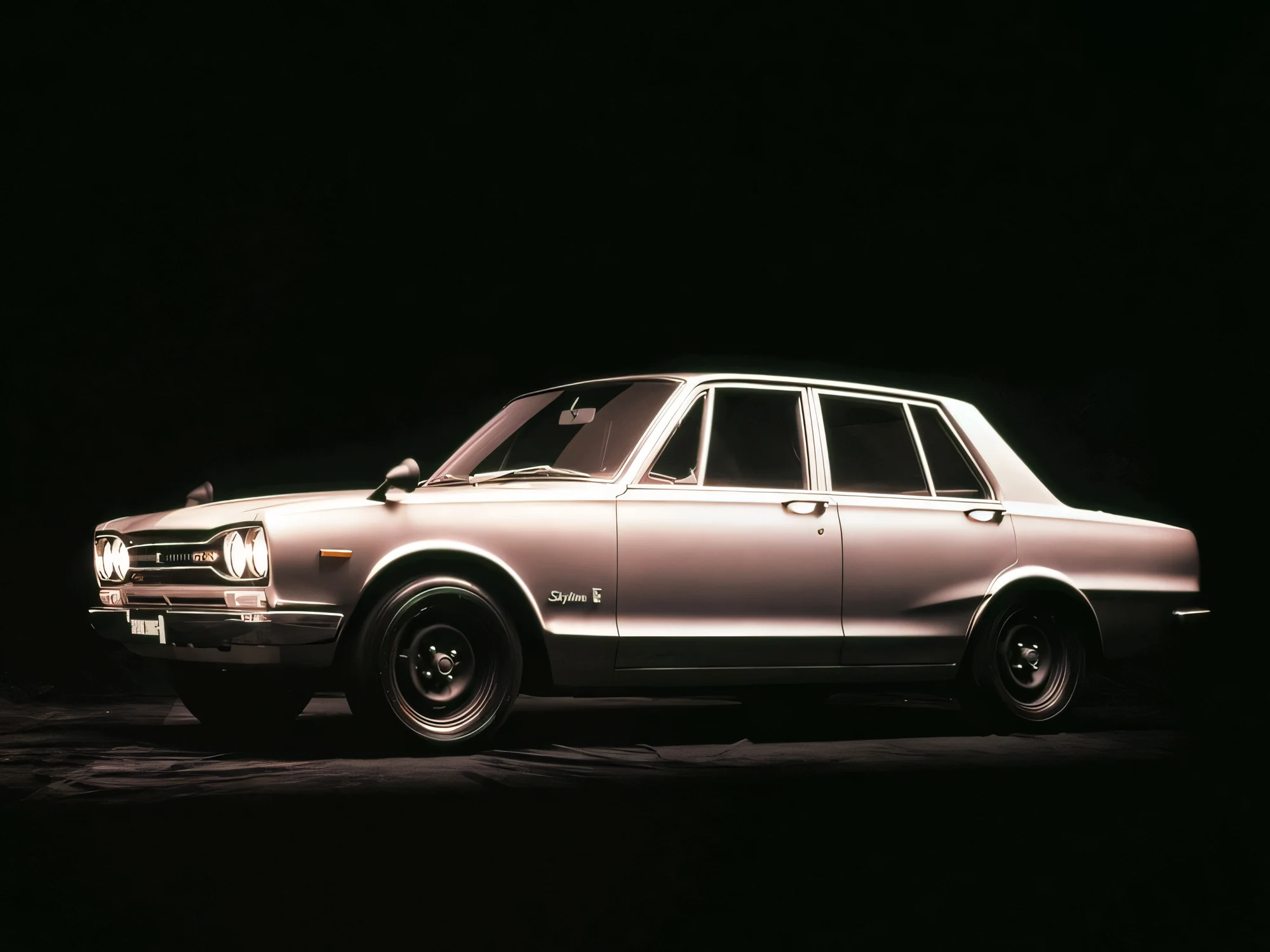
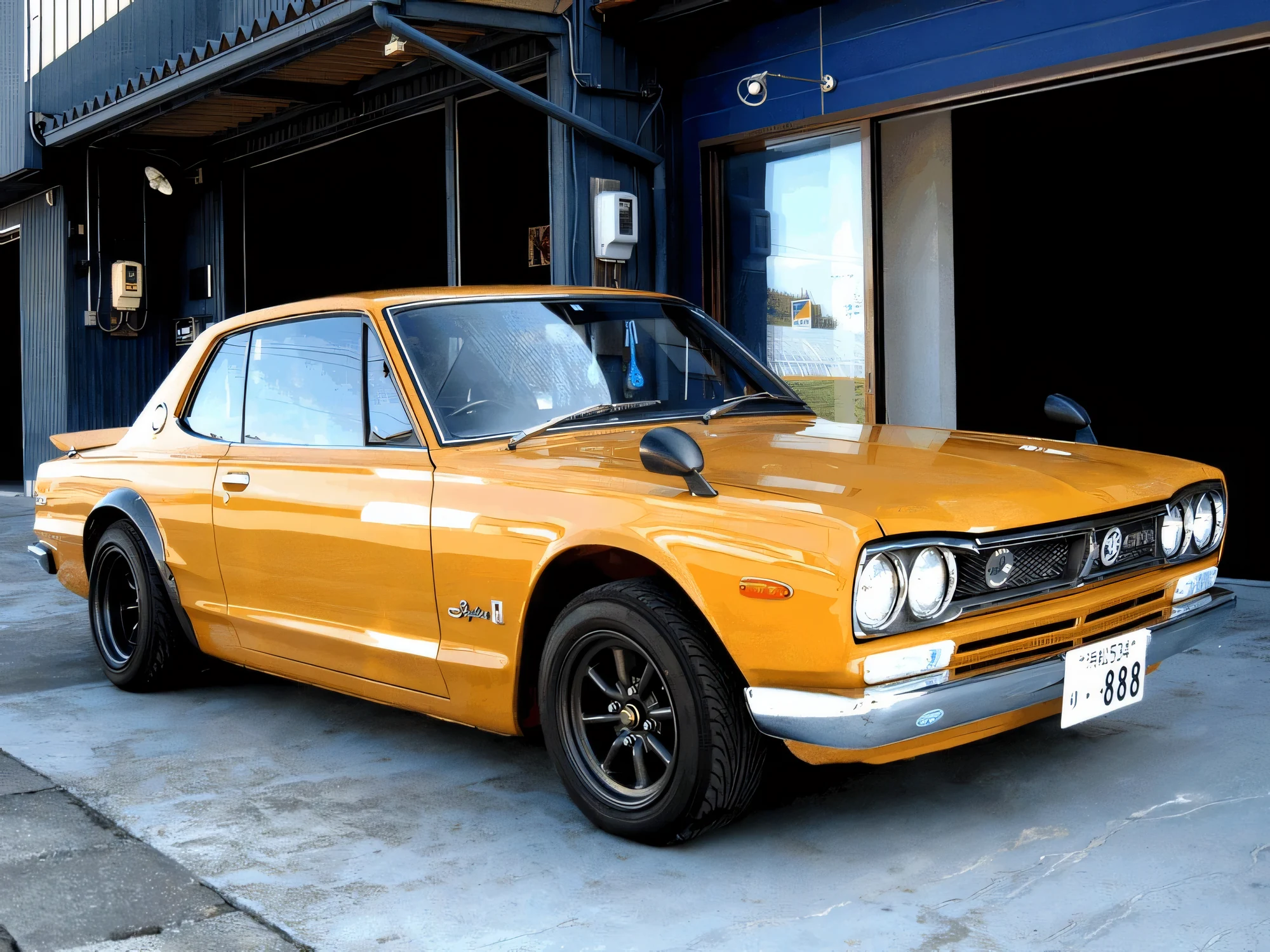
The Skyline is the longest-running performance bloodline Japan has — older than almost every car people file under "JDM legend". This is the whole line, from a 1957 Prince saloon to the R32 GT-R that revived a dormant badge and terrified touring-car grids. One name, thirty-seven years, and the birth of Godzilla.
Older than the legend suggests — the Skyline started in 1957, and as a Prince, not a Nissan.
The GT-R was born from a defeat: a Porsche beating a Prince in 1964 set the whole thing in motion.
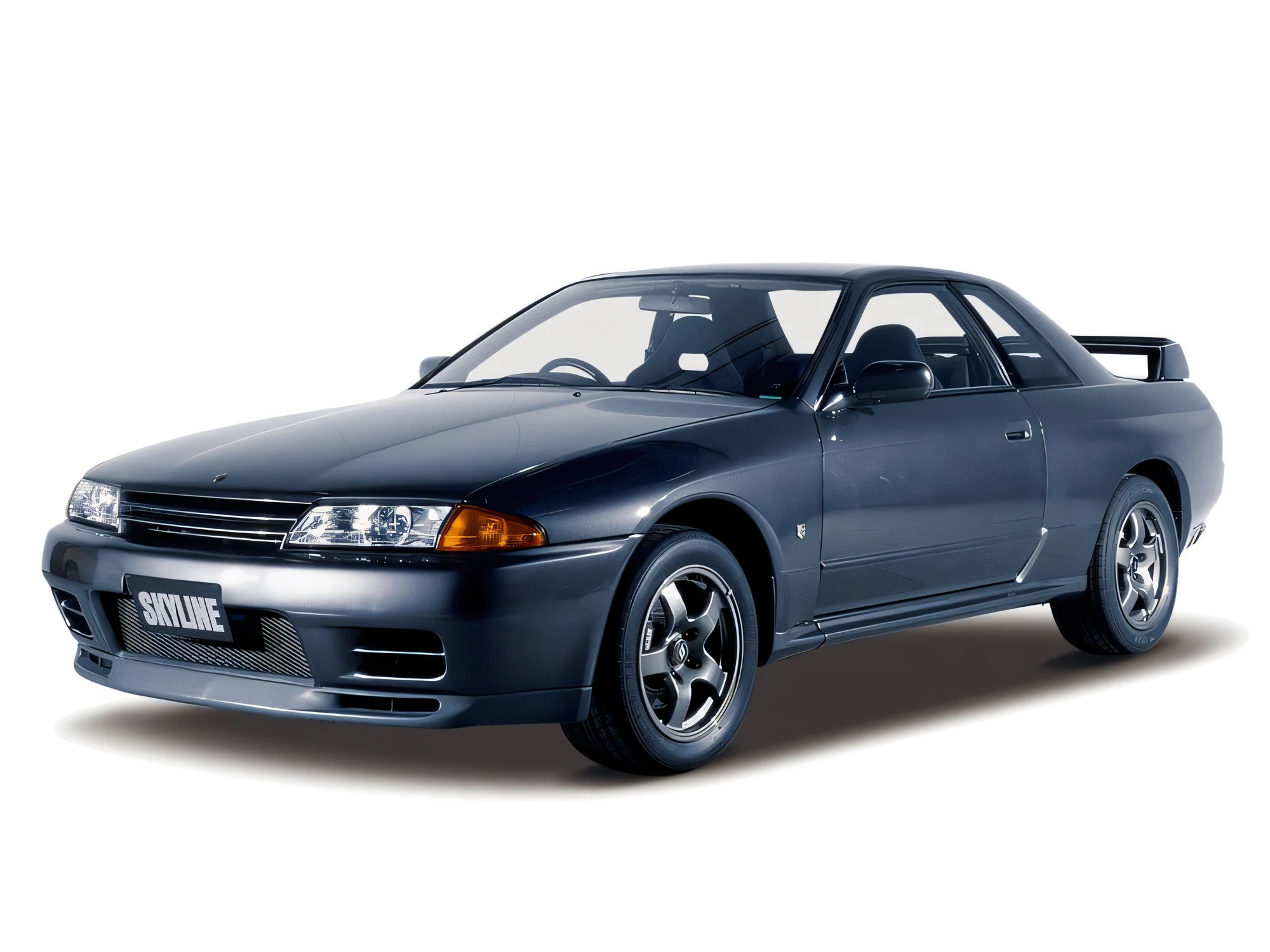
It ends here on the R32 — the car that revived the GT-R after 16 years and earned the Godzilla name.
The Skyline is the longest-running performance bloodline Japan has built — it
predates almost everything filed under “JDM legend,” and it never stopped. The
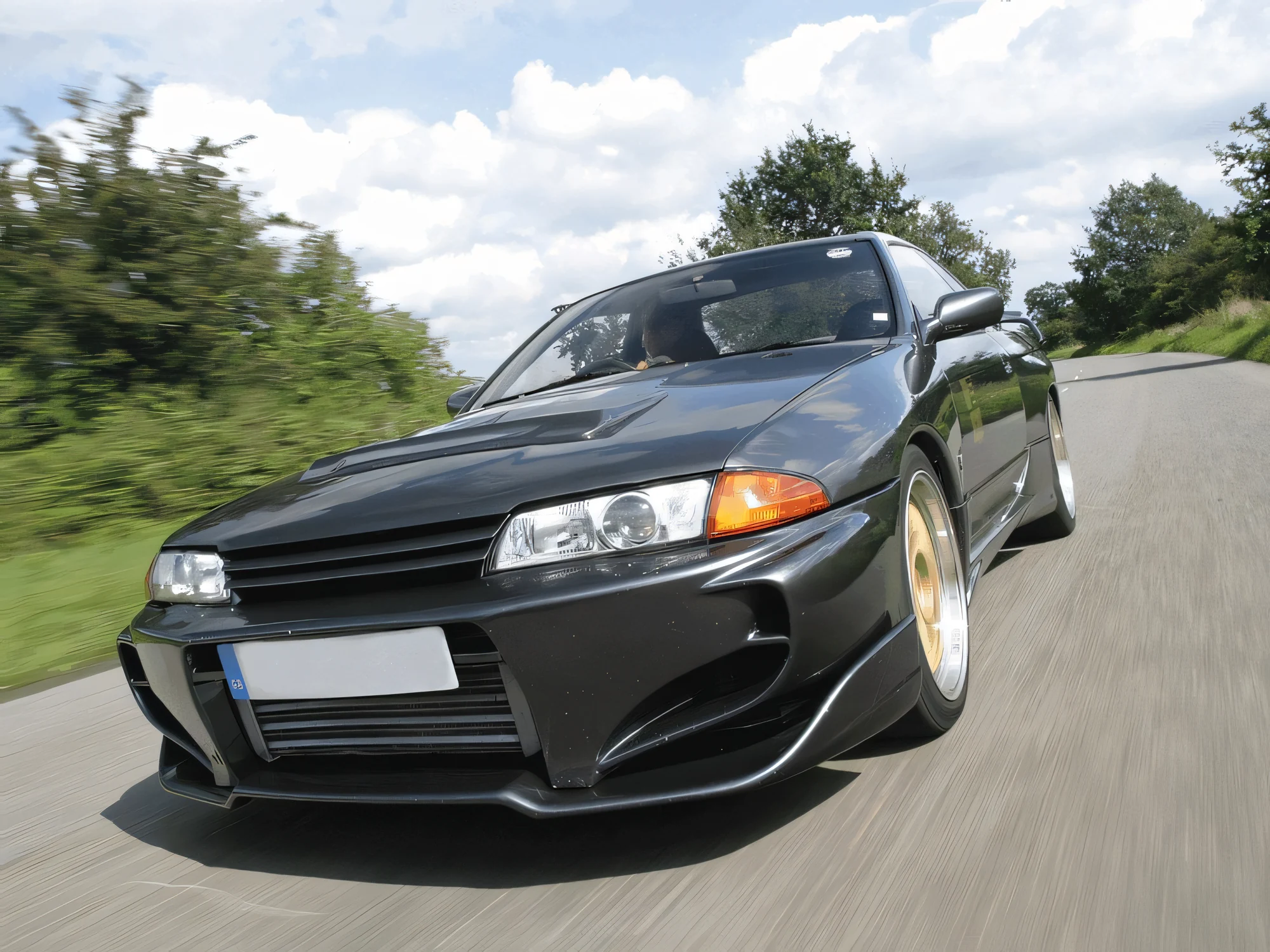
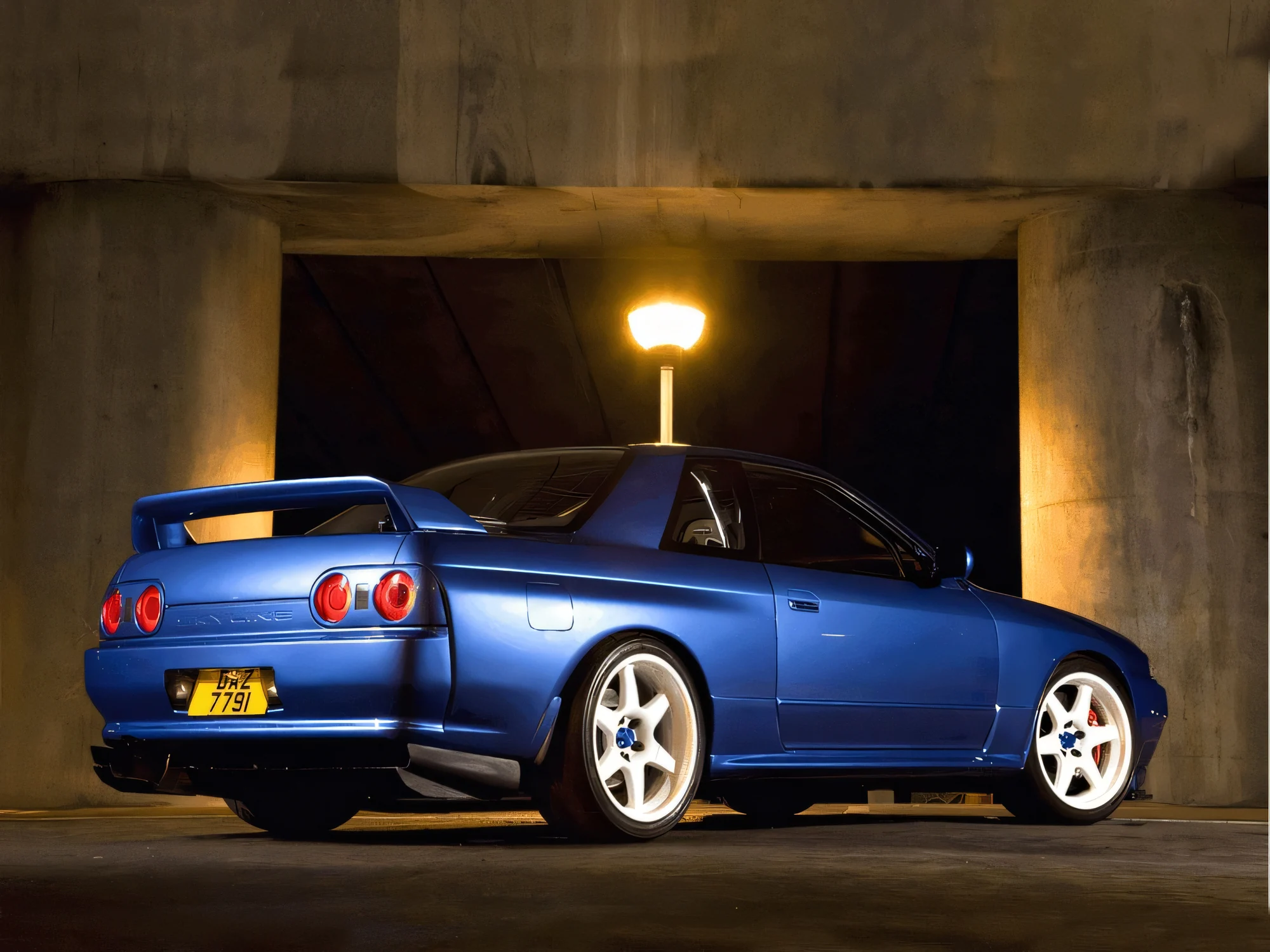
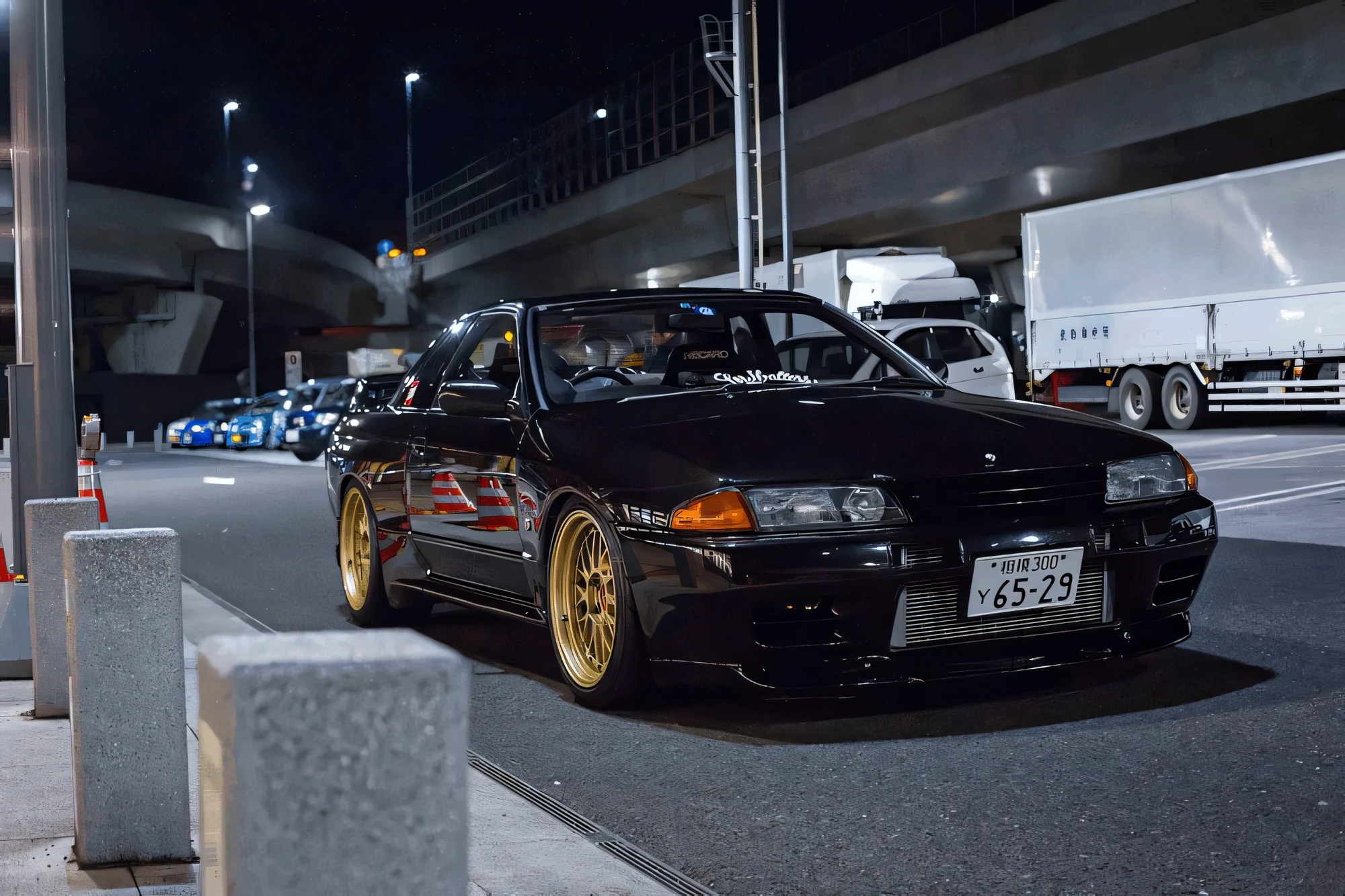
gallery above walks the whole thing: a 1957 Prince saloon at one end, the R32
GT-R that revived a dormant badge at the other. Read it as one continuous line,
because that’s exactly how the people who chase these cars read it.
The bloodline, 1957 to Godzilla
It starts as a Prince — a genteel luxury car from a company that would only
become part of Nissan in 1966. Racing gave it a spine: at the 1964 Japan GP a
Skyline GT ran with the Porsches, and the fallout from that day (see below) built
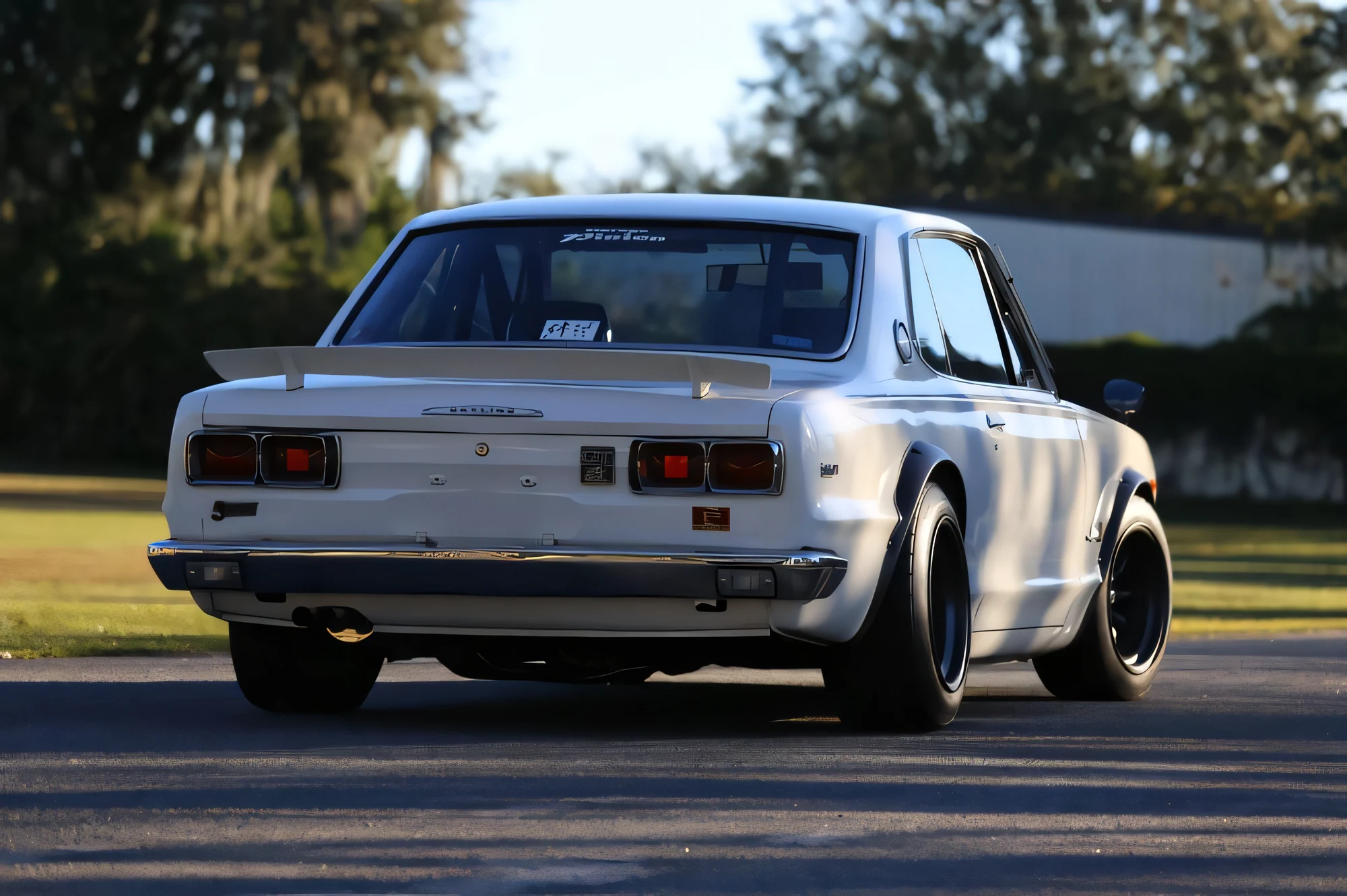
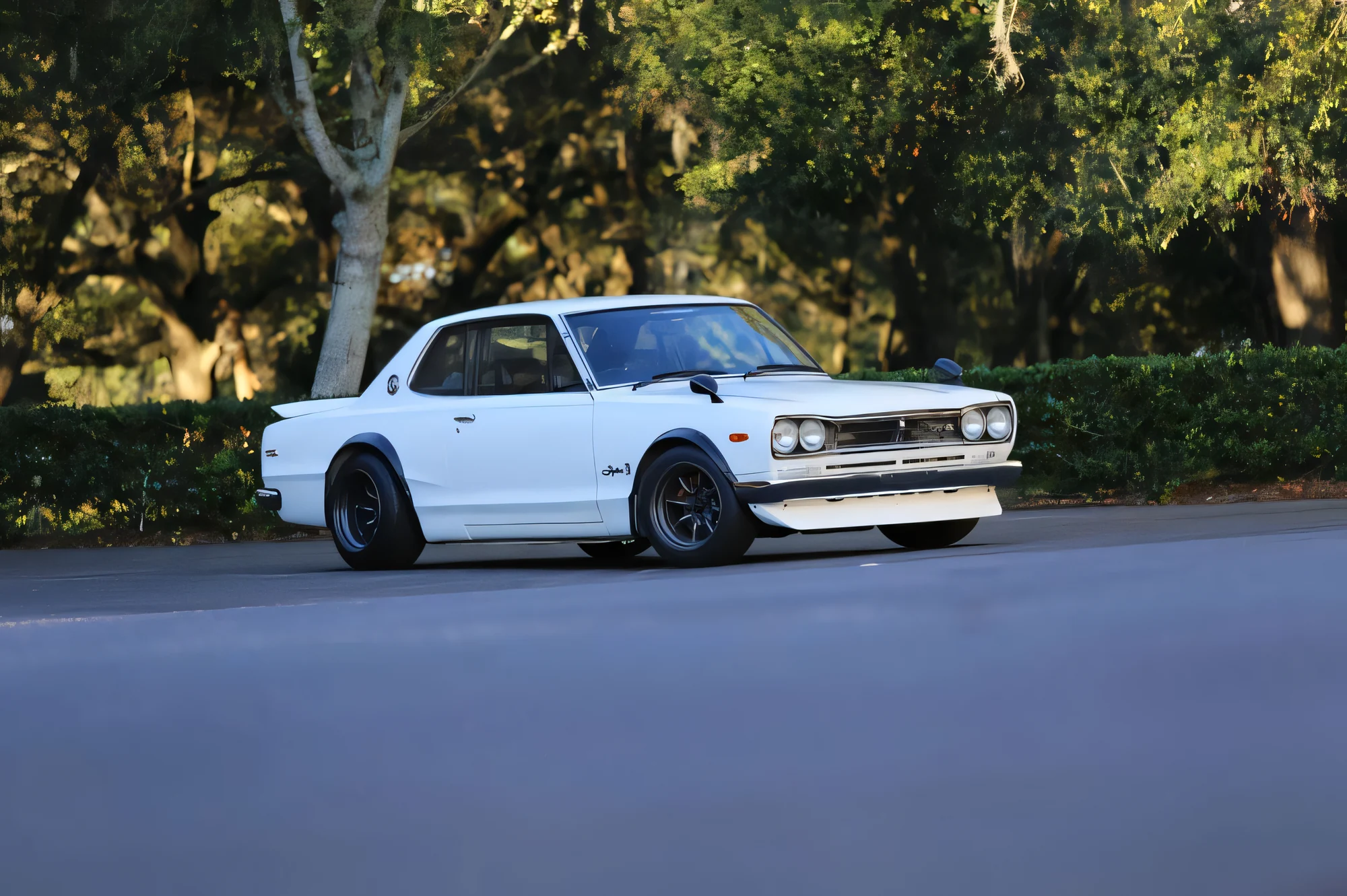
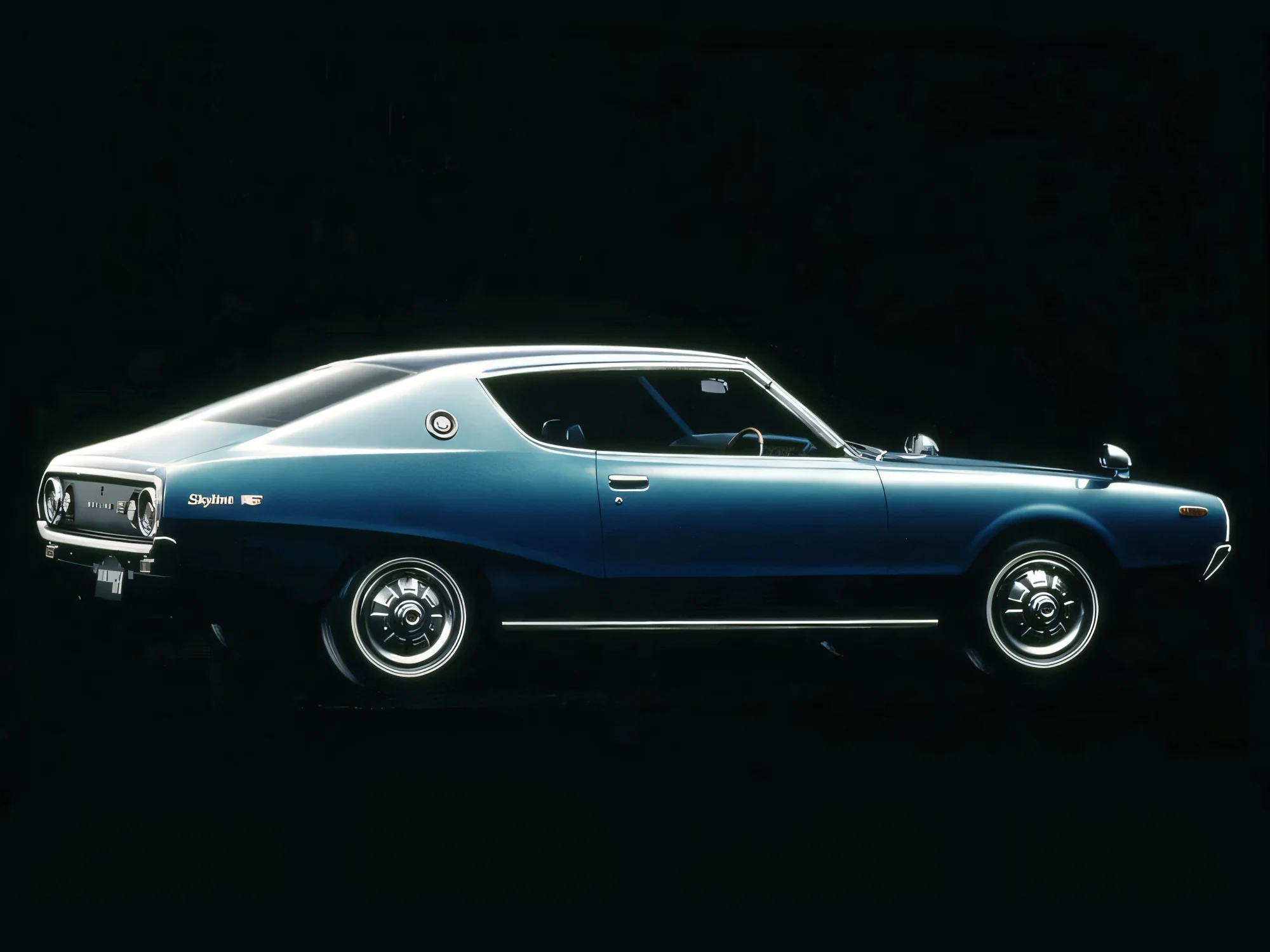
the first GT-R, the 1968–72 C10 “Hakosuka”. The C110 “Kenmeri” that followed
gave the badge its rarest, strangest chapter, then the badge went quiet for
sixteen years while the DR30 “Iron Mask” and R31 GTS-R kept the
performance flame alight on turbo power. In 1989 the R32 brought the GT-R
back — and this time it didn’t just win races, it ended them. Each era’s numbers
are in the spec tabs; what matters is that it’s one unbroken thread, not a badge
revived for nostalgia.
The RB26, and why it built an industry
The R32’s RB26DETT wasn’t engineered for the road — it was engineered to win
Group A, then fitted with a road tune. That’s why it’s a tuner’s favourite: a
closed-deck iron block and a fuel-and-turbo package that were conservative from
the factory, so the engine has enormous headroom before anything structural
complains. The whole modern GT-R aftermarket — HKS, Nismo, Mine’s, Top Secret —
was built in that headroom. The classic cars sit at the opposite pole: the
hand-built S20 in a Hakosuka is restored and cherished, not boosted. Two
completely different relationships with the same badge, sixty years apart.
Owning one in South Africa
This is the honest part, and for the Skyline it’s blunt: you probably can’t
have one. South Africa broadly prohibits importing used passenger cars — every
second-hand vehicle needs an ITAC import permit, granted only in narrow cases
(returning residents bringing a car already in their name, racing cars, inherited
vehicles, specially-adapted vehicles, and genuine vintage/collector cars). A
modern JDM grey import — an R32, let alone an R34 — does not qualify for an
ordinary buyer, and a grey import without the right ITAC paperwork can’t be
registered on eNaTIS and is liable to be confiscated and crushed. The one door
that’s genuinely open is a true vintage example — a properly old Hakosuka-era
car could qualify under the collector exception with an ITAC permit — but that’s
a collector’s route, not a way to put a Godzilla on your driveway. Verify the
current ITAC position before you spend a cent chasing one.
At the 1964 Japan Grand Prix, Prince's Skyline GTs ran with the leaders and famously held off a works Porsche 904 for a single lap — then the Porsche went by and won. That sting, not a trophy, is where the GT-R story actually starts.
Prince's answer was to build a pure racer, the R380. It beat a trio of Porsche 906s to win the 1966 Japanese Grand Prix — the first JGP victory by a Japanese manufacturer. Its GR-8 twin-cam six was then detuned for the road as the S20.
That S20 went into the first Skyline GT-R — the 1969 Hakosuka — and into the Fairlady Z432 alongside it. The badge that would one day mean 'Godzilla' exists because, once, a Porsche beat a Prince.
How it gets modified
The modifications that actually get done — what each does, roughly what it gains, roughly what it costs.
The legend
RB26 on the stock block
Nissan over-built the RB26DETT for Group A homologation — a closed-deck iron block, six individual throttle bodies, twin turbos. Tuners run 500–550 whp on the standard bottom end before forged internals are needed.
500–550 whp, stock bottom endThe famous one
Fuelling
The first real bottleneck
Long before the block gives up, the factory injectors, MAFs, fuel pump and ceramic turbos tap out around 400–450 hp. Sorting the fuelling and turbos is the upgrade that unlocks everything above it.
Opens the 450→550 bandSupporting mods
Big power
Stroker RB (2.8 / 3.1)
To beat the 2.6's limits for torque and 700+ hp, the scene strokes it: HKS's 2.8 'High Response' kit, or OS Giken's RB315 that takes it to 3.1 litres on a 26 mm block spacer.
700+ hp and real torqueFull engine build
Classic
S20 restoration (OS Giken)
The Hakosuka's hand-built S20 twin-cam isn't turbocharged — it's restored. Specialists like OS Giken do bespoke S20 work (down to gear-driven cam conversions). The pre-1973 cars are concours pieces, not power builds.
Correctness over horsepowerCollector / specialist
Chassis
ATTESA + coilovers
The R32's electronic ATTESA E-TS AWD and Super-HICAS four-wheel steering are the platform; coilovers, bushings and brakes sharpen the 1,430 kg car without touching its party trick — putting power down where rear-drive rivals can't.
Traction and turn-inThe handling tax
Every frame
The whole set — tap any to blow it up.
The progression
The numbers that actually changed, generation by generation.
Power — S20 to RB26
The S20 was naturally aspirated and hand-built; from the DR30 on, the Skyline's speed came from boost. And 280 was only the quoted number — the R32 made more.
Hako GT-R
160 PS
S20 · NA
DR30
190 PS
FJ20ET · turbo
R31 GTS-R
207 PS
RB20DET-R · turbo
R32 GT-R
280 PS
RB26DETT · quoted
What the RB26 takes when you build it
The block was over-built for Group A, so the fuel system — not the bottom end — is the first wall. Everything up to ~550 lives on stock internals.
Stock
320 whp
real, not quoted
Fuel + turbos
450 whp
first bottleneck
Stock internals
550 whp
reliable ceiling
Before forged
650 whp
the edge
Built
800 whp
forged, fragile
How many were built — the classics were tiny
The early GT-Rs were made in the hundreds. The R32 is the one that built the legend at scale — nearly 44,000 of them, which is exactly why it's the GT-R most people can actually own.
Kenmeri GT-R
197 units
1973
R31 GTS-R
823 units
1987
Hako KPGC10
1,197 units
1970–72
R32 GT-R
43,937 units
1989–94
The spec sheet
Specs by generation — pick an era.
Prince · 1957–1966
Debut
24 April 1957 — as a Prince, not a Nissan
Maker
Prince Motor Co. (merged into Nissan, 1966)
Engine
1.5L GA-30, ~60 hp (first ALSI)
Signature
Four round tail lights (from 1959)
The spark
1964 Japan GP — a Skyline GT held off a Porsche 904
C10 'Hakosuka' · 1968–1972
GT-R
First car to wear the badge — Feb 1969
Engine
S20 2.0L DOHC 24v six (from the Prince R380)
Power
160 hp @ 7,000 rpm
Built
PGC10 sedan 832 · KPGC10 coupe 1,197
Track record
~50 race wins, 1969–1972
C110 'Kenmeri' · 1972–1977
Name
After the 'Ken & Mary' ad campaign
GT-R
KPGC110 — built Jan–Apr 1973 only
Built
197 units — the rarest classic GT-R
Raced
Never — cancelled by new emissions rules
First
Japanese production car with four-wheel discs
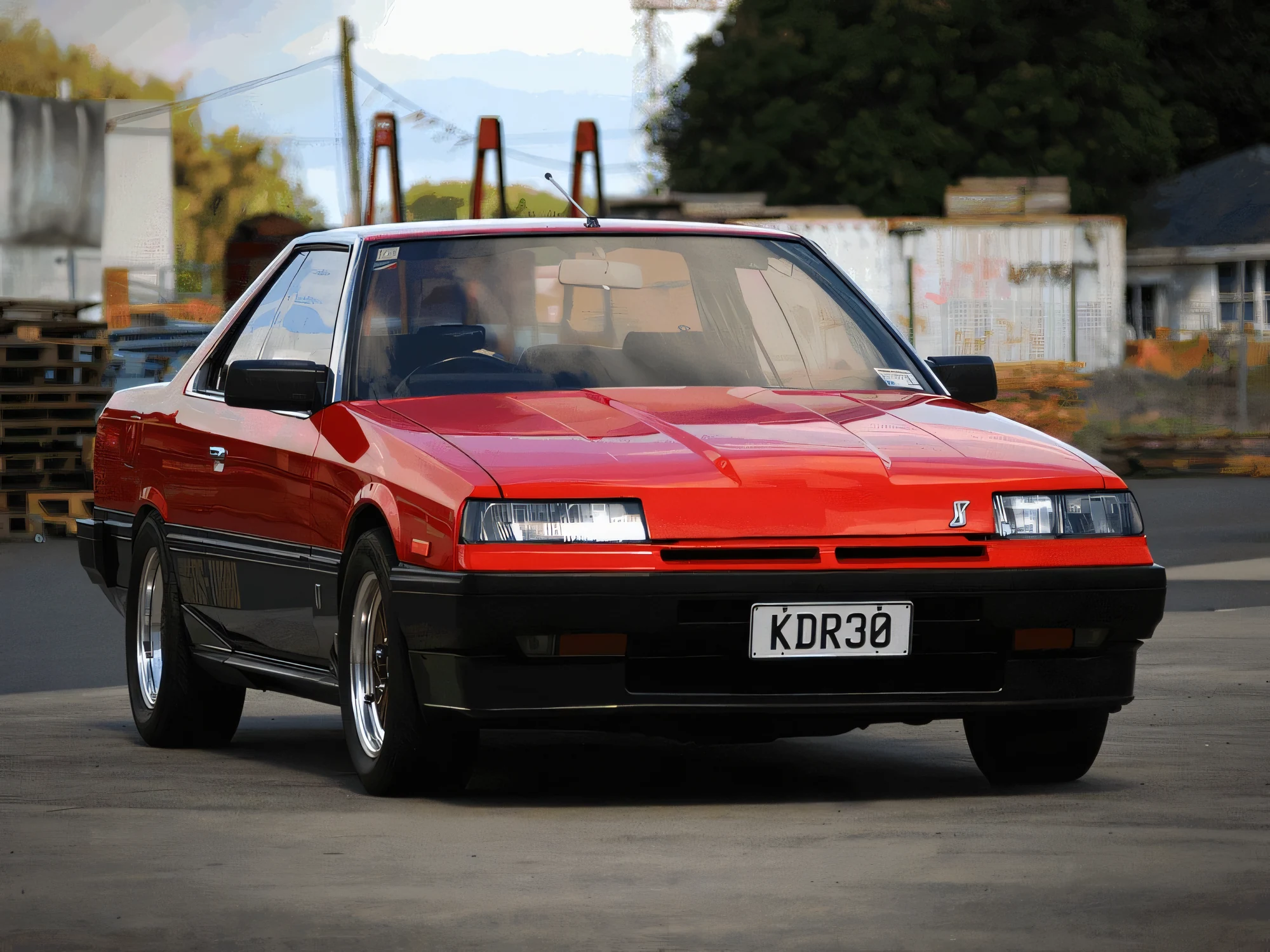
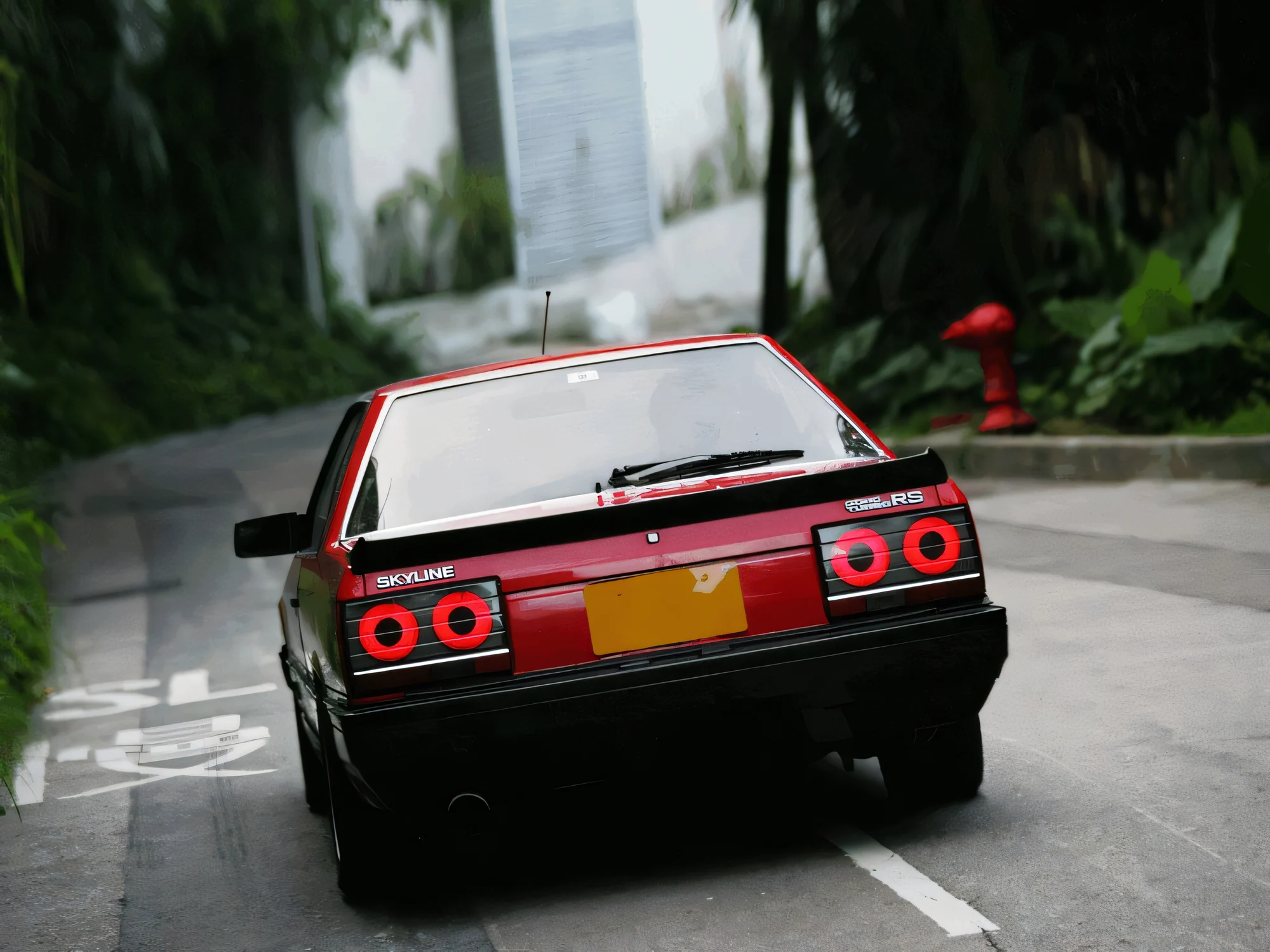
R30 'Iron Mask' · 1981–1985
Model
DR30 2000 Turbo RS
Engine
FJ20ET 2.0 turbo
Power
190 PS — billed 'the most powerful Skyline' of its day
Nickname
'Tekkamen / Iron Mask' — the grille-less 1983 facelift
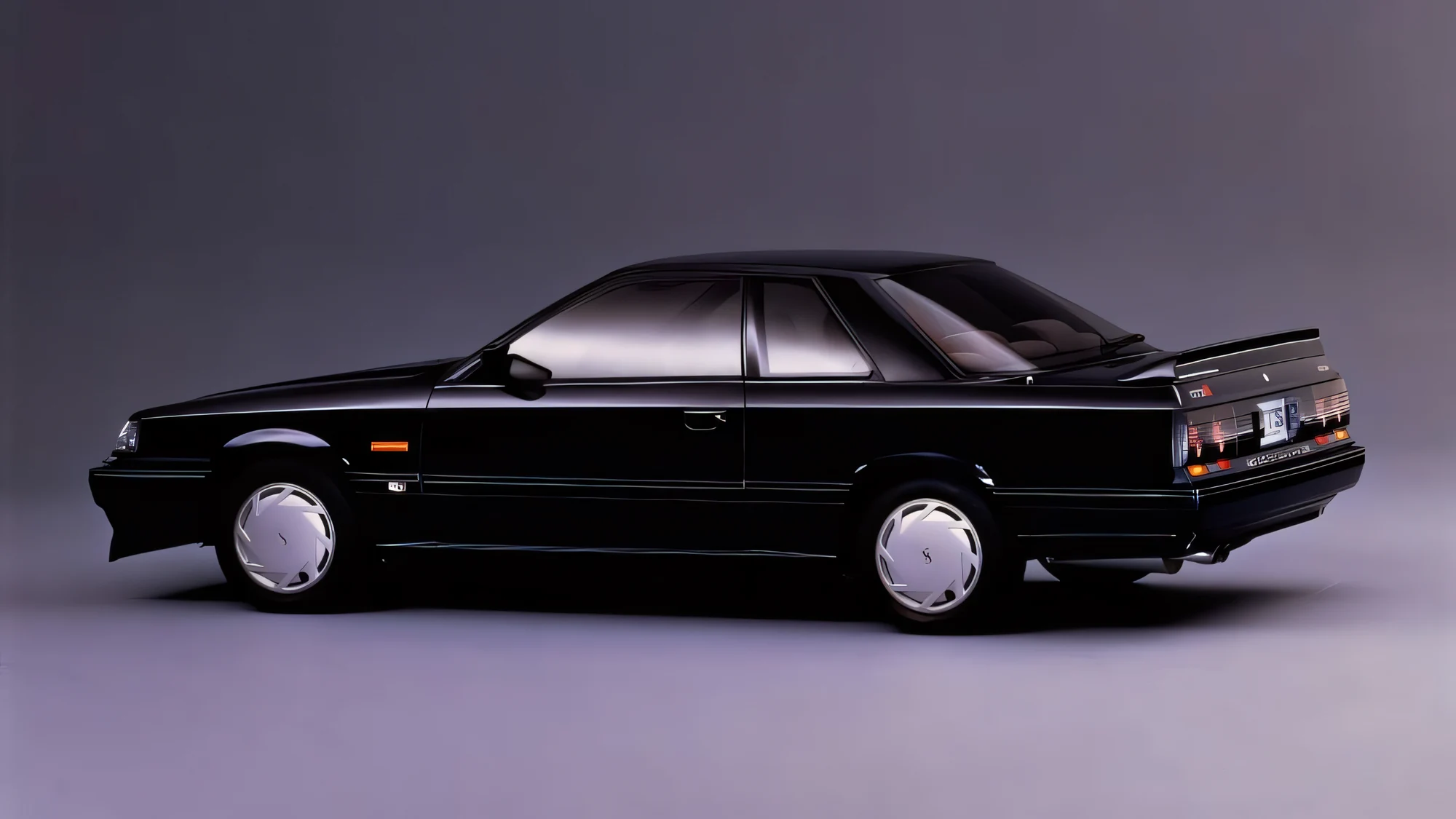
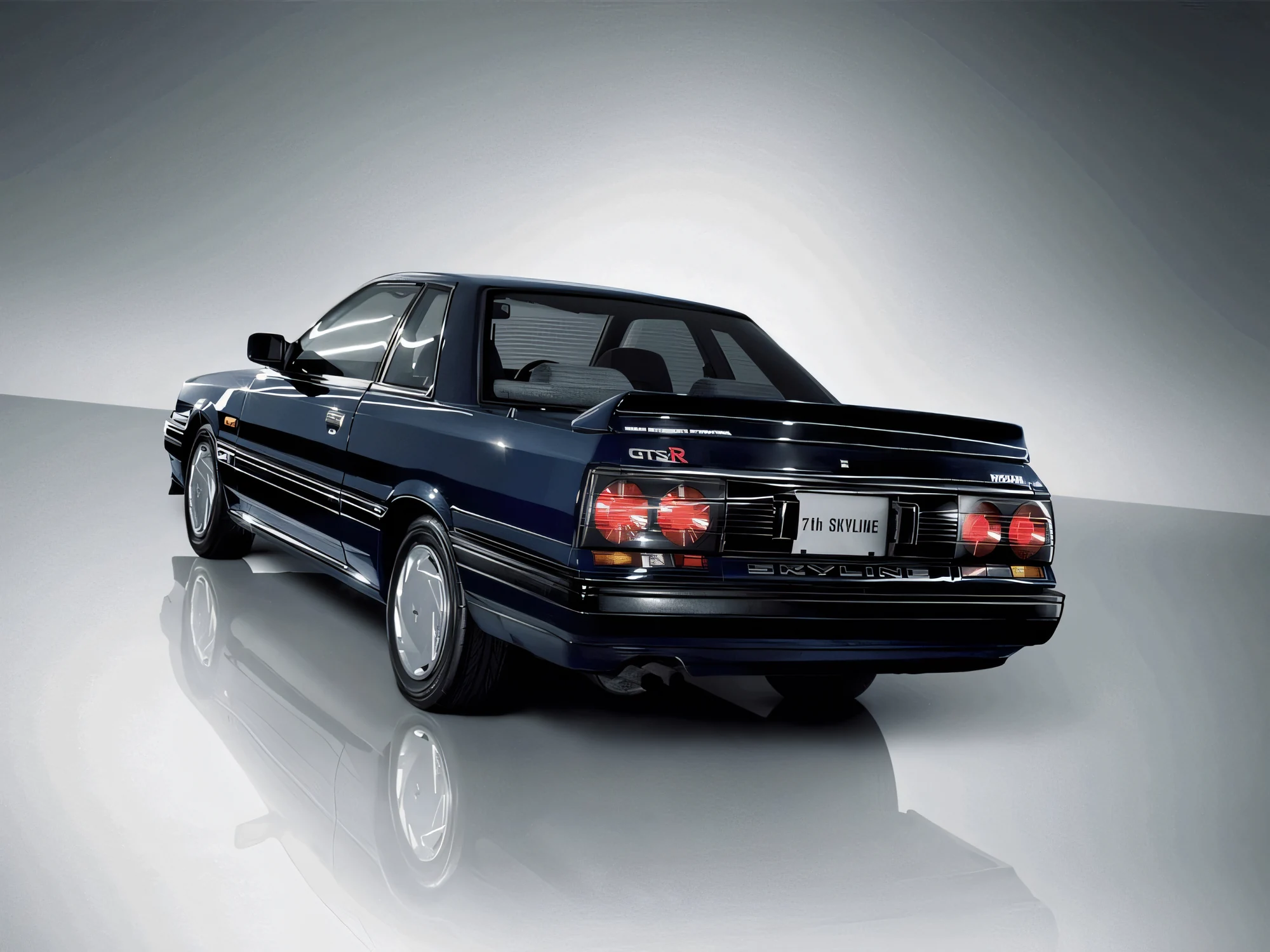
R31 GTS-R · 1985–1989
Model
GTS-R (HR31) — Group A homologation special
Engine
RB20DET-R — big turbo, tubular manifold
Power
~207 hp road · 400+ hp race
Built
823 units
Role
The direct forebear of the R32 GT-R
R32 GT-R · 1989–1994
Engine
RB26DETT 2.6L twin-turbo six
Power
280 PS quoted (≈300–320 real)
Torque
353 N·m @ 4,400 rpm
Driveline
ATTESA E-TS AWD · Super-HICAS 4WS
Weight
1,430 kg
Built
~43,937 BNR32
Racing
1991 & 1992 ATCC and Bathurst 1000
Straight answers
Where did the "Godzilla" name actually come from?
Australia's Wheels magazine coined it — as the July 1989 cover line, "Nissan's new Godzilla on wheels aims to slay the Sierra," before the R32 GT-R had even raced. It was a jab at the Ford Sierra it was built to beat; the name then went global and stuck to the whole GT-R line.
Why does the R32 GT-R "only" make 280 PS?
Because it wasn't allowed to claim more. Around 1989 Japan's makers followed a gentlemen's agreement capping advertised power at 280 PS (276 hp). The RB26DETT genuinely made more — independent dynos routinely read 300–320 bhp stock — but Nissan quoted the ceiling. The agreement held until 2004.
Wasn't the Skyline always a Nissan?
No — and this trips a lot of people up. The Skyline launched in 1957 as a Prince, built by the Prince Motor Company. Prince merged into Nissan in 1966, so only from the C10 generation (1968) is it a "Nissan Skyline." The earliest cars are Princes.
What's the rarest GT-R?
Of the classic era, the Kenmeri — the KPGC110. It was built only from January to April 1973, just 197 cars, before tightening emissions rules (and the oil crisis) killed it. It never raced, which earned it the "phantom GT-R" name — and it was the first Japanese production car with four-wheel disc brakes.
Is it true the R32 killed a whole racing category?
In Australia, effectively yes. The R32 GT-R won the 1991 and 1992 touring-car championships and both years' Bathurst 1000 so completely that officials piled on weight penalties — up to around 1,500 kg — and Group A was scrapped after 1992. Its dominance is widely credited as a major reason the category ended.
Did the same engine power a Z car?
Yes. The Hakosuka GT-R's S20 twin-cam six also powered the Fairlady Z432 — the "432" standing for four valves, three carburettors, two camshafts. The first GT-R and the hottest early Z shared a hand-built engine, and the racing Z432R saw only around 30–50 units.