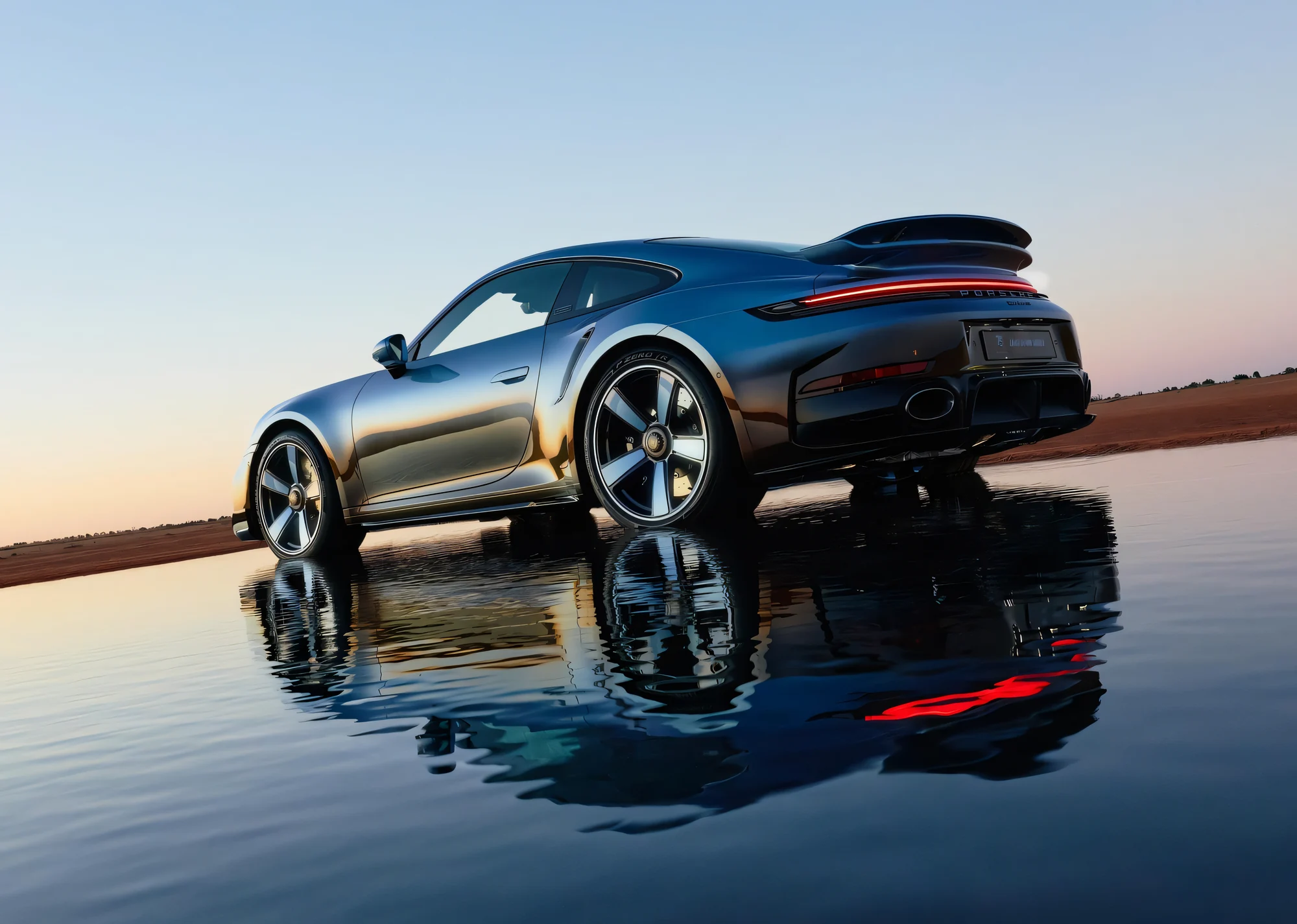
No car has been built for as long, or reinvented as often, as the Porsche 911. The recipe hasn't changed since 1963 — a flat-six slung behind the rear axle, a shape you know as a silhouette — yet Porsche has rebuilt it eight times, and a whole industry has grown up rebuilding it again. This is the whole car: the eras, the air-cooled faultline, and the restomod scene that values a reimagined one above any new one.
Rear-engined since 1963 — the layout everyone else abandoned, and Porsche alone made work.
Two 911 worlds, split in 1998: air-cooled, then water-cooled — and the older ones became the obsession.
So revered that Singer, Gunther Werks and RUF each built a company on reimagining it.
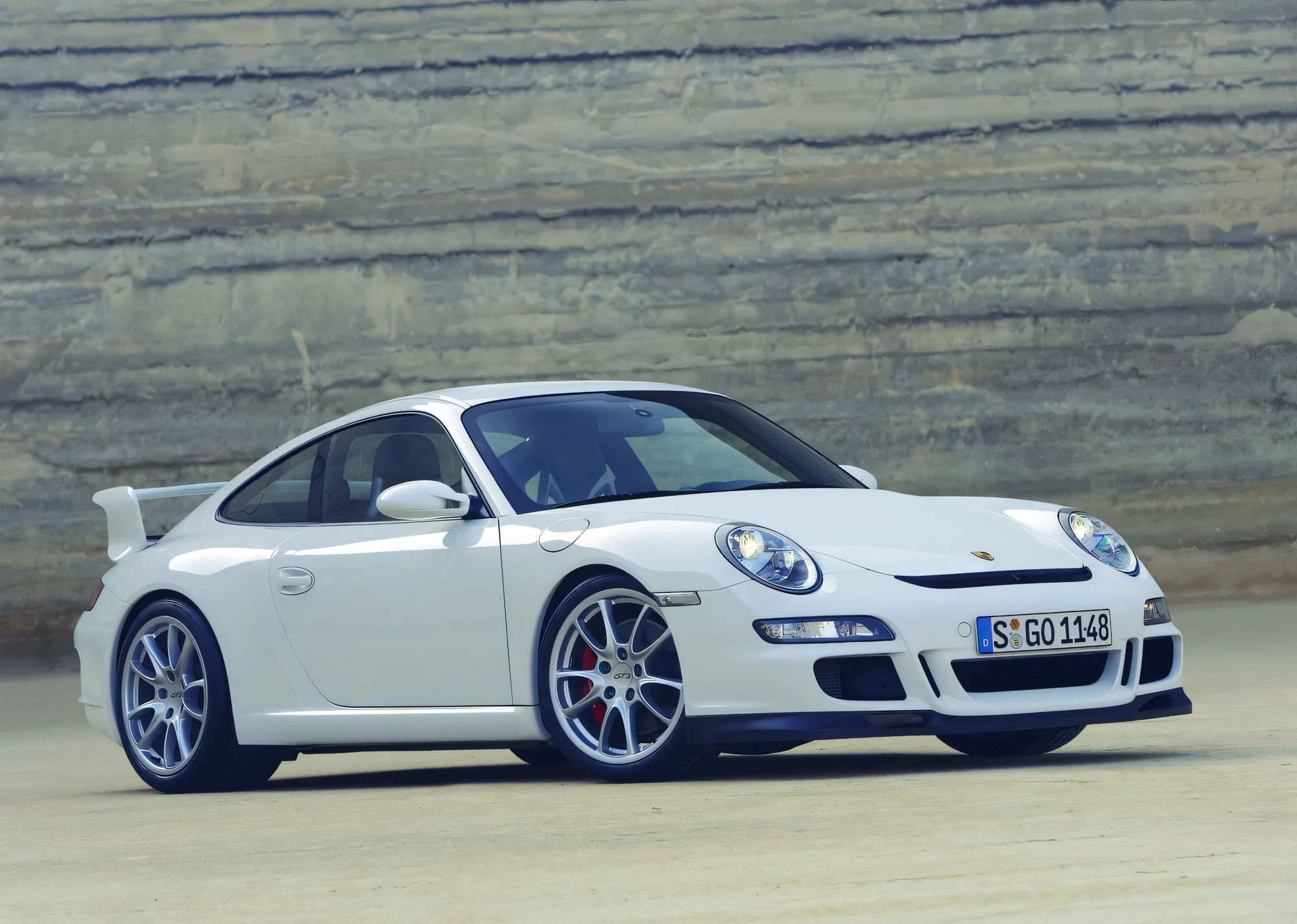
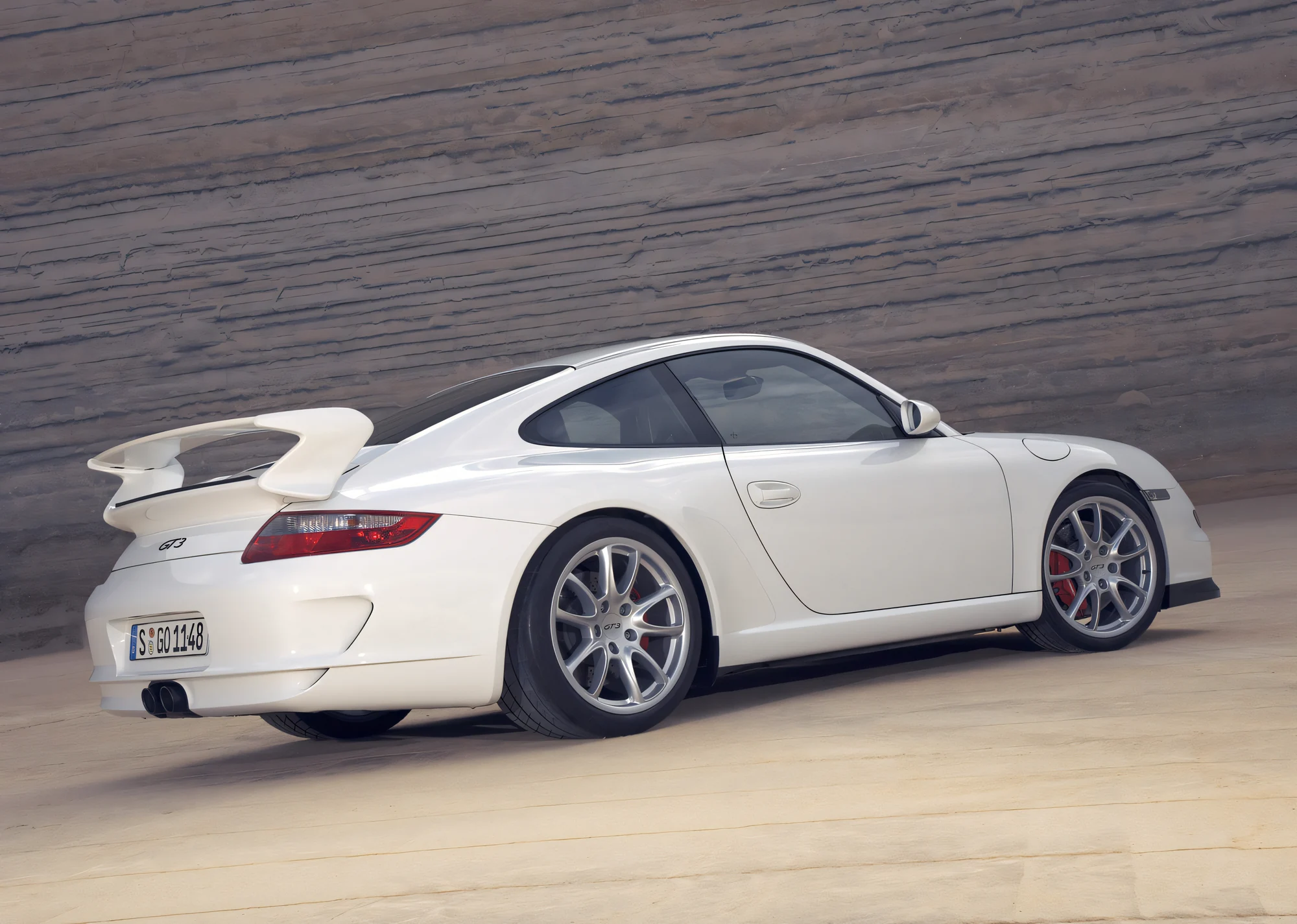
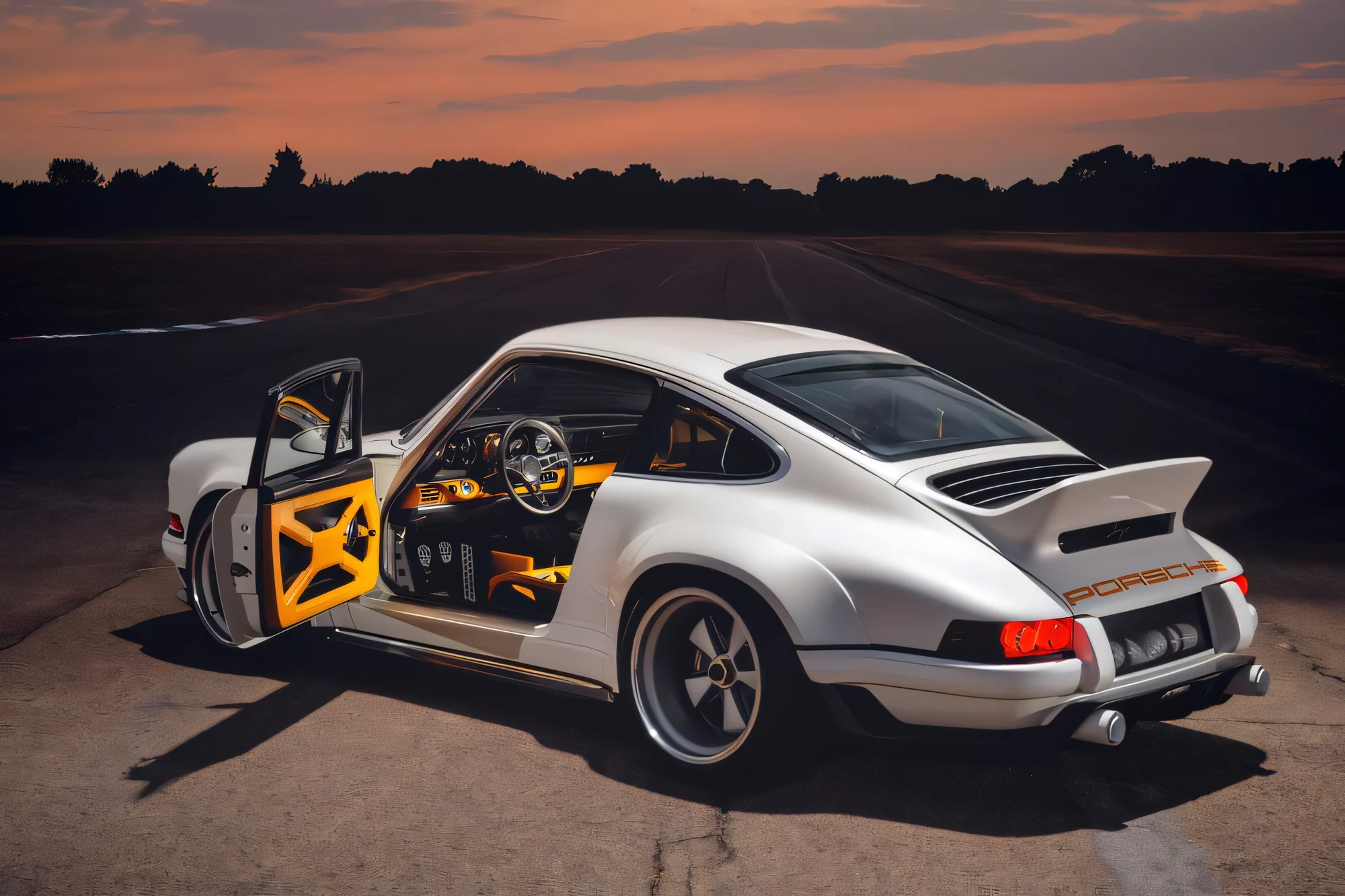
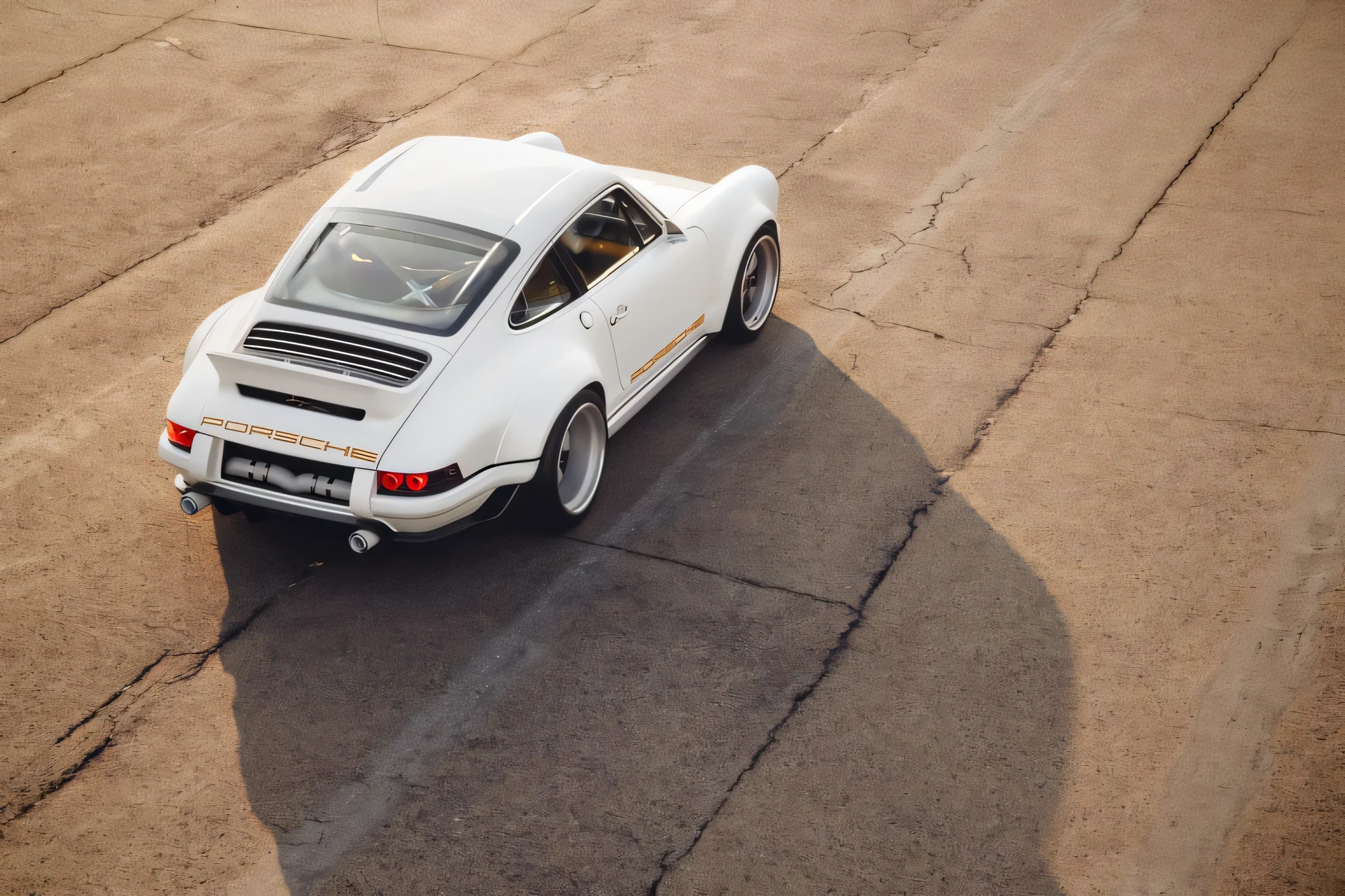
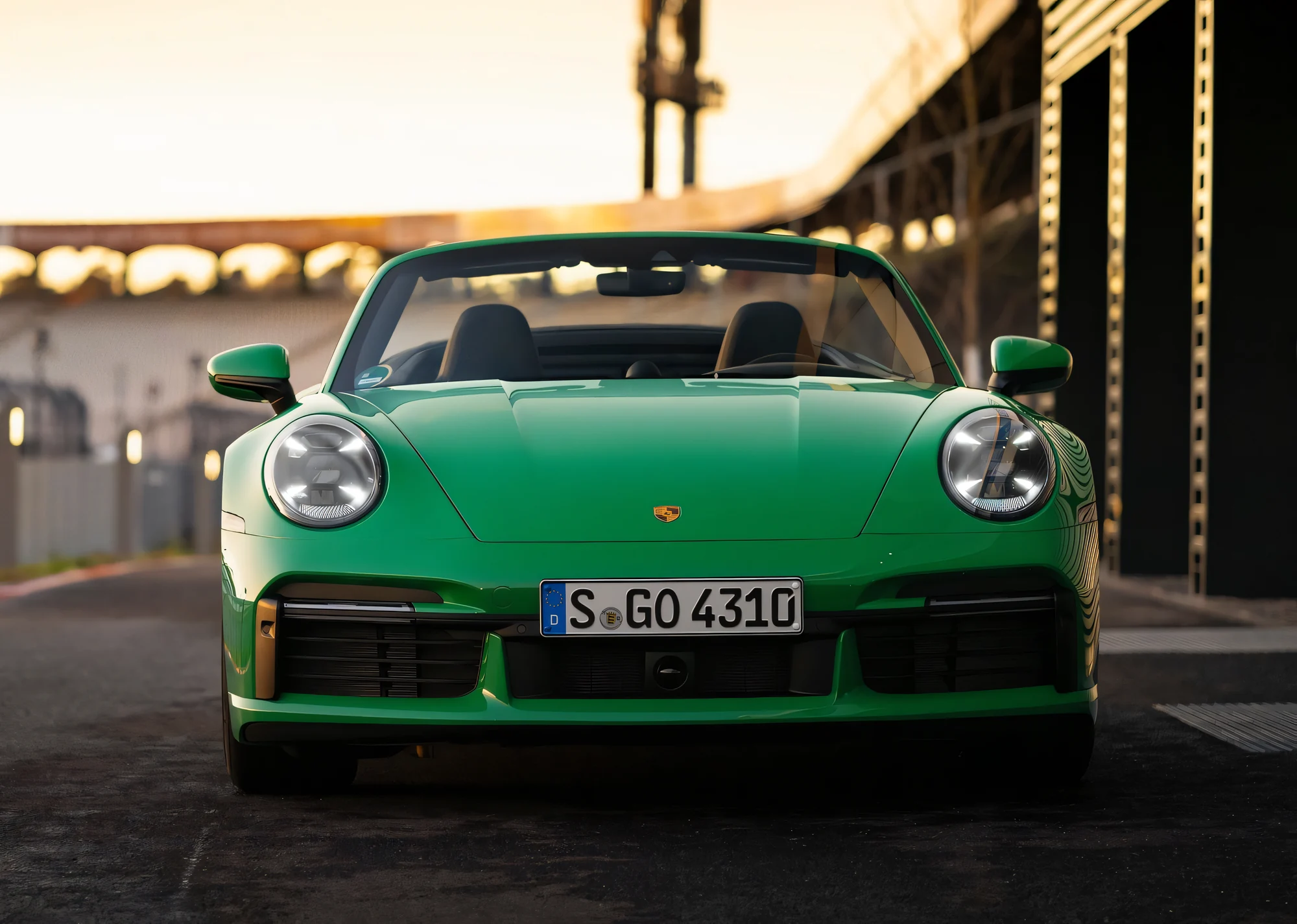
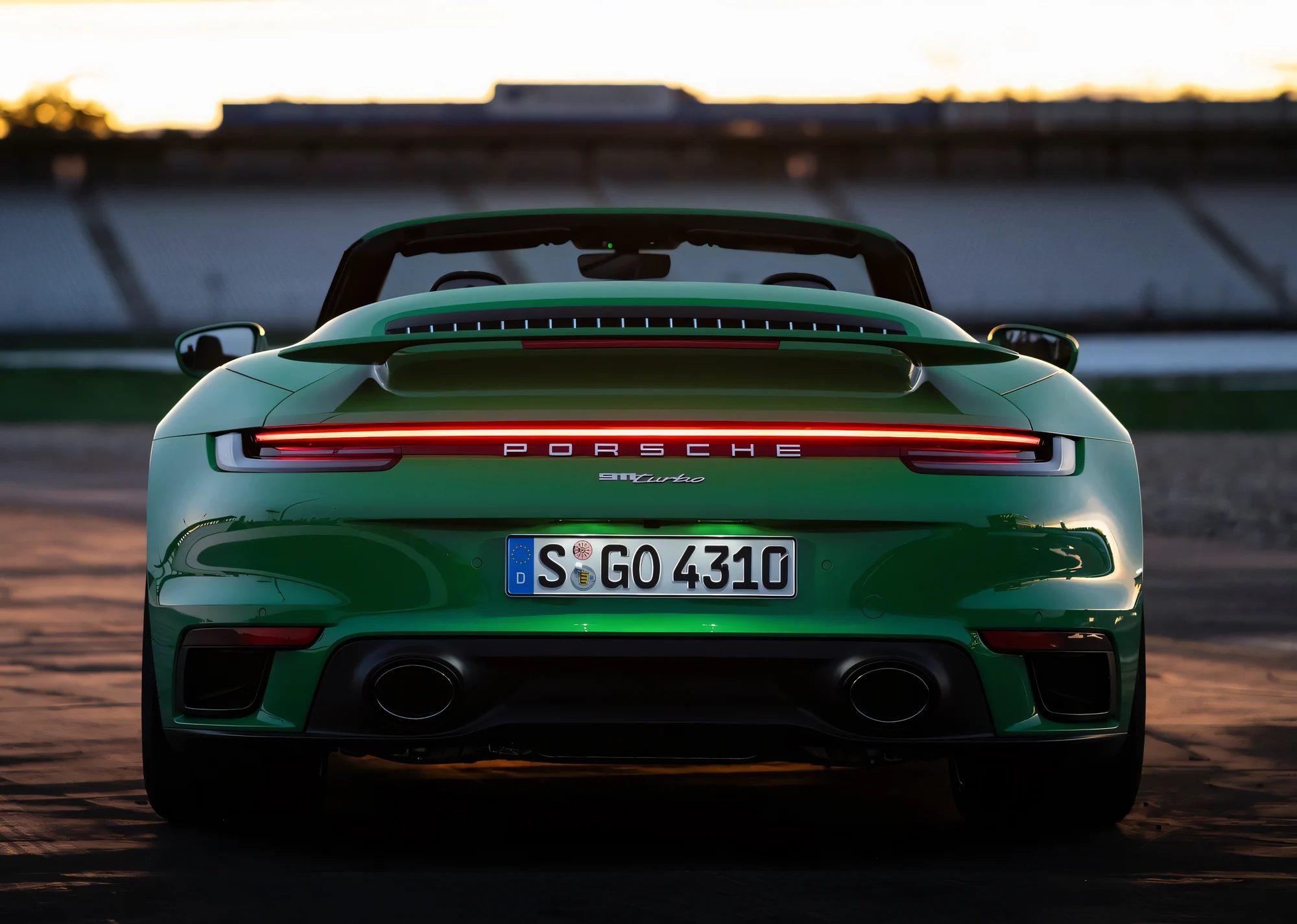
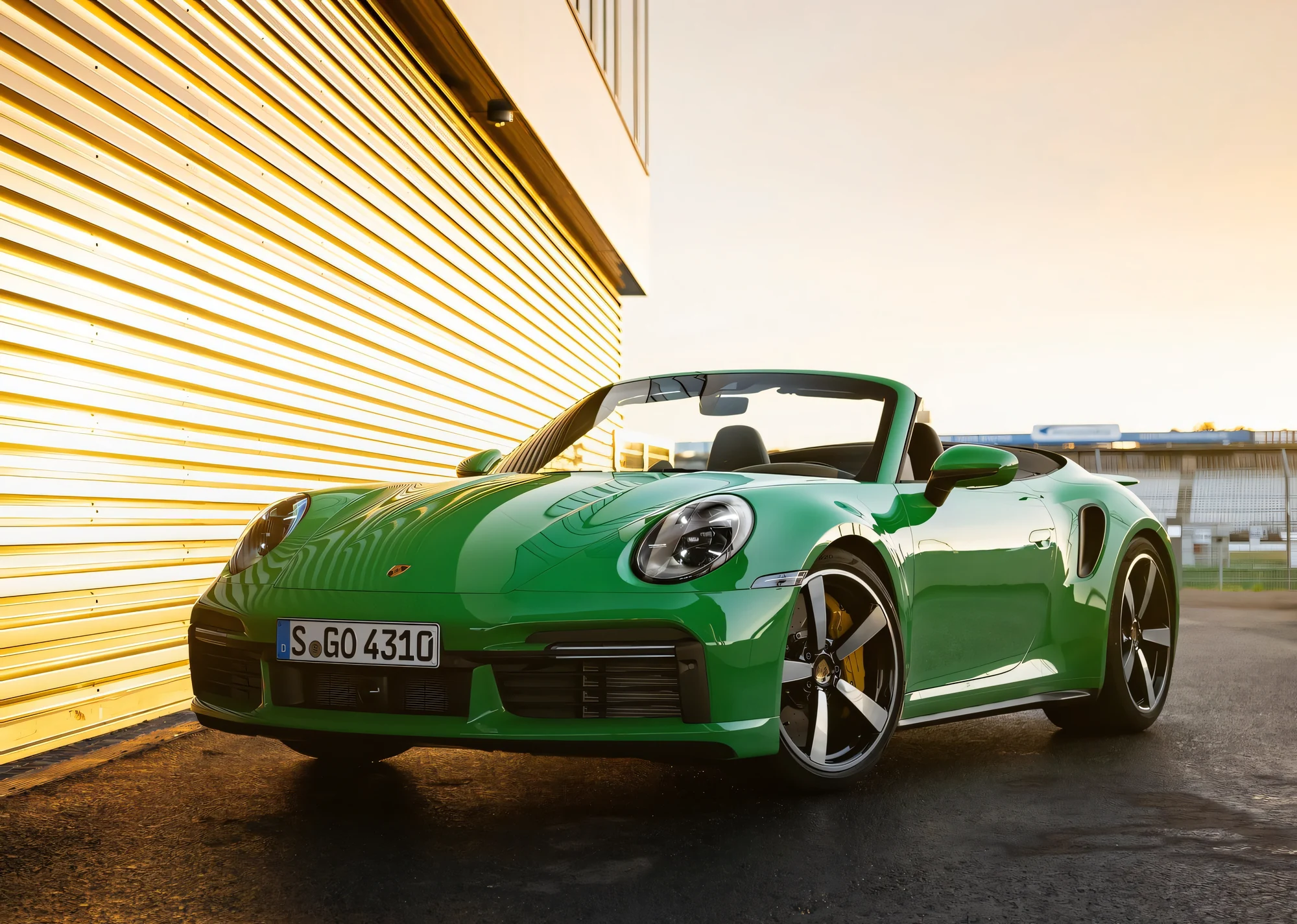
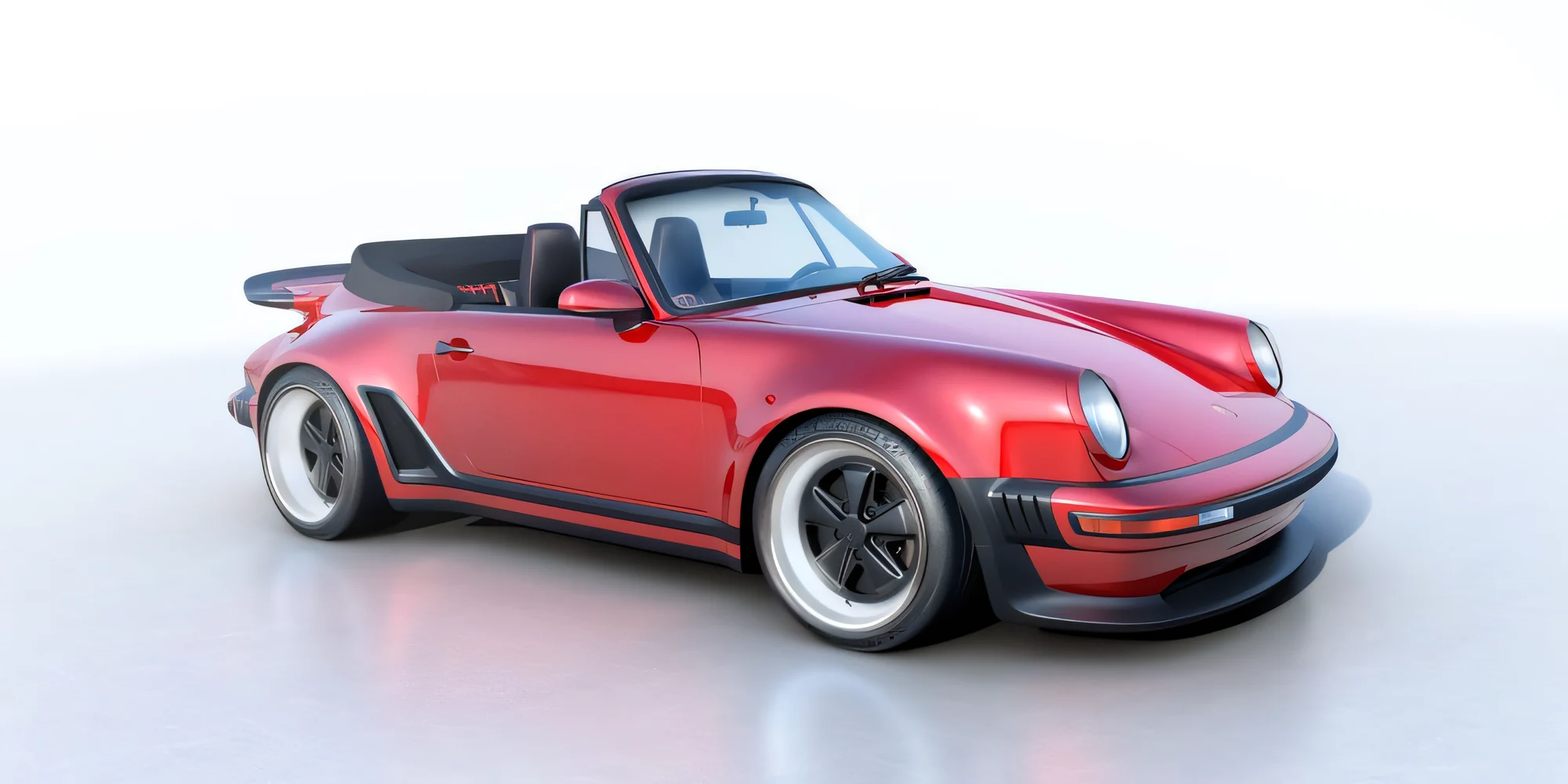
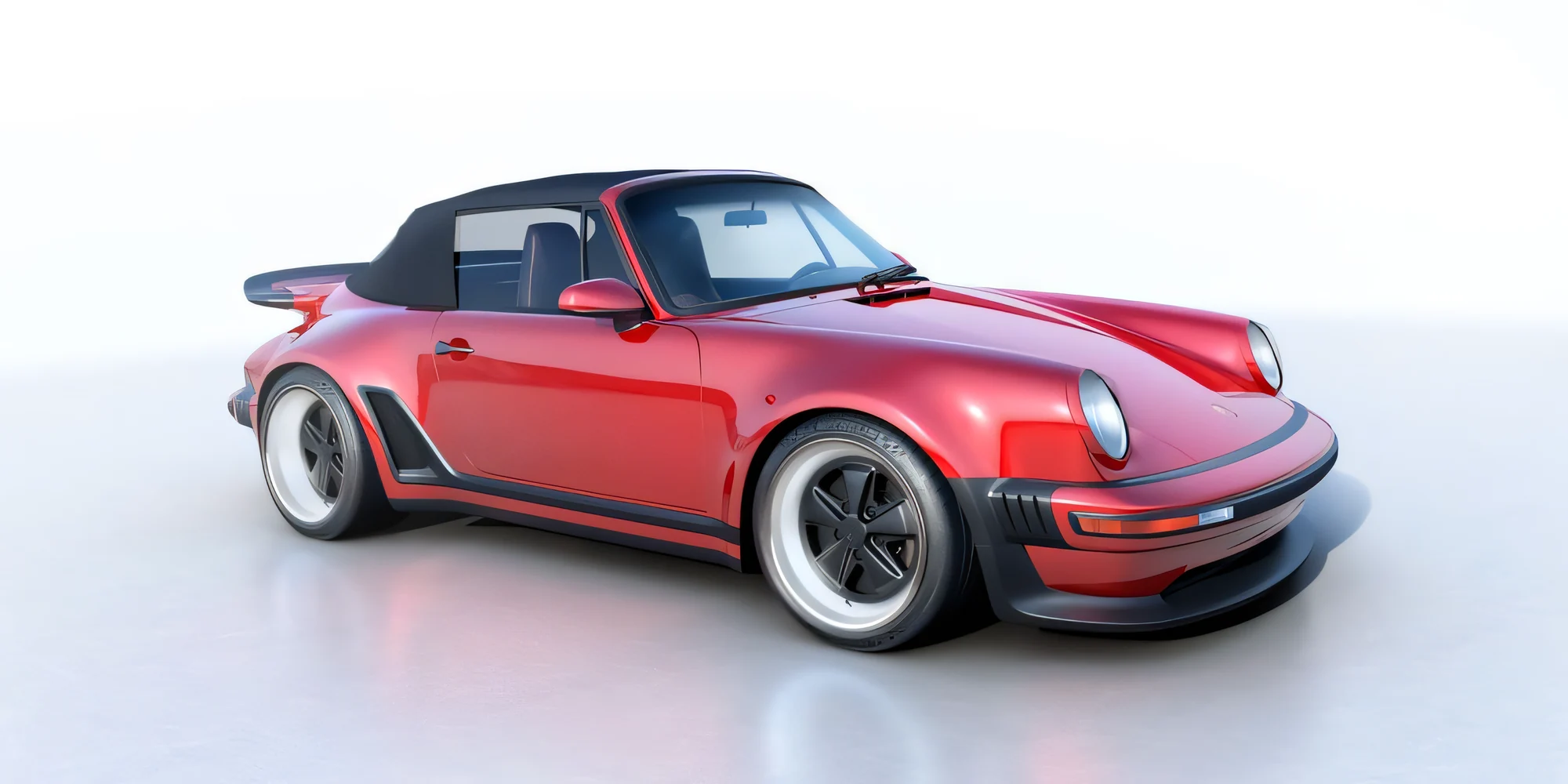
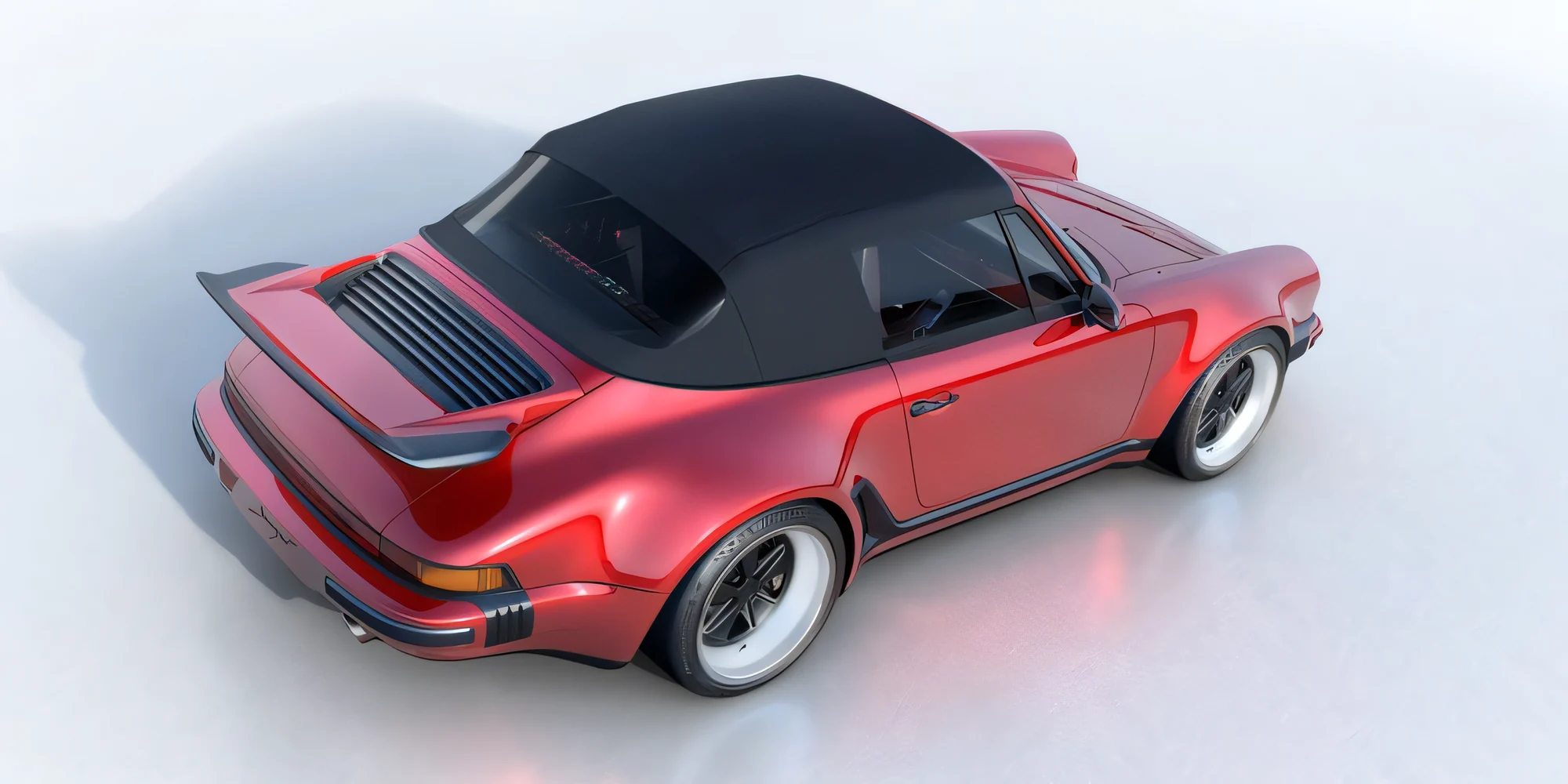
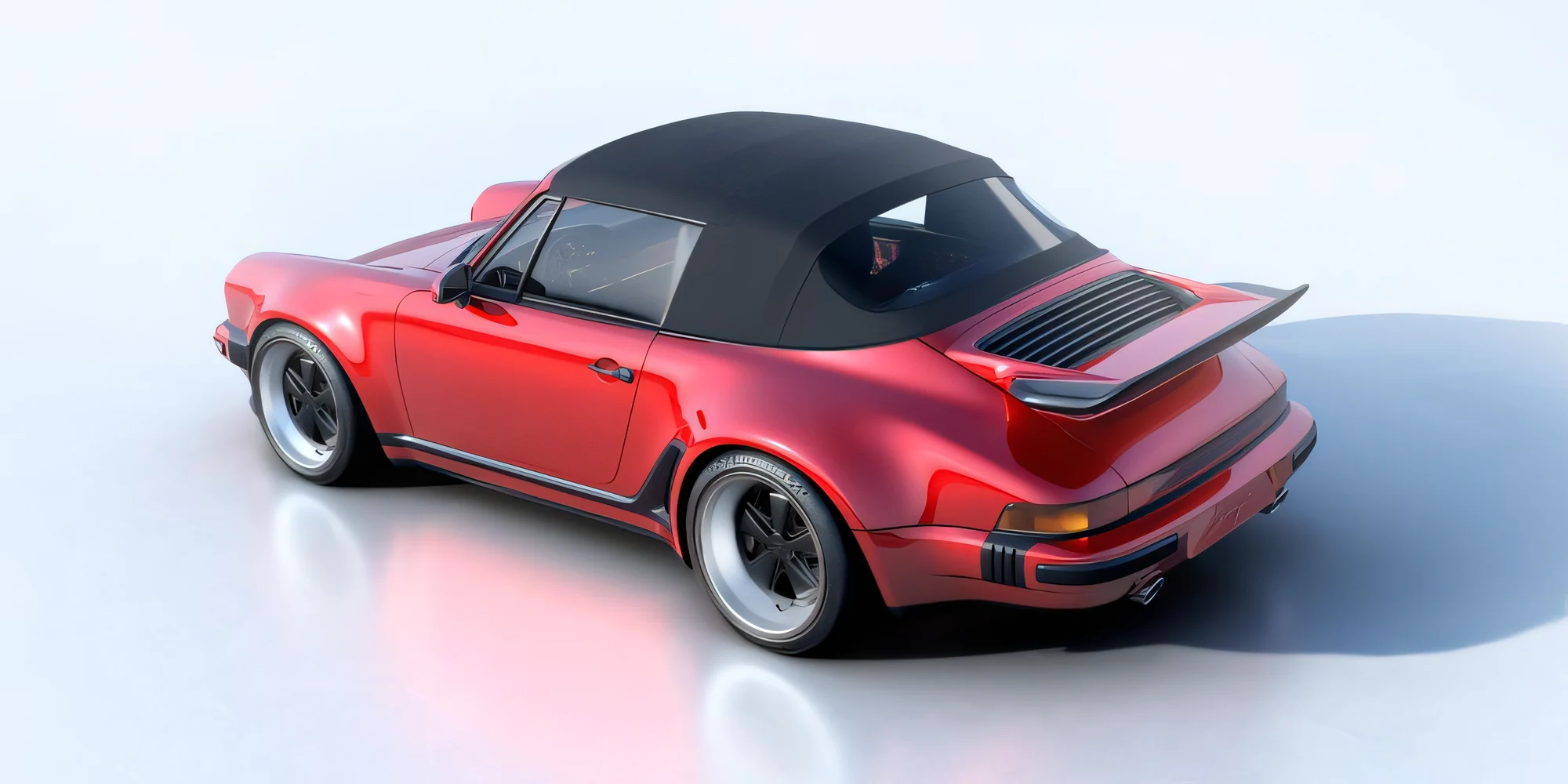
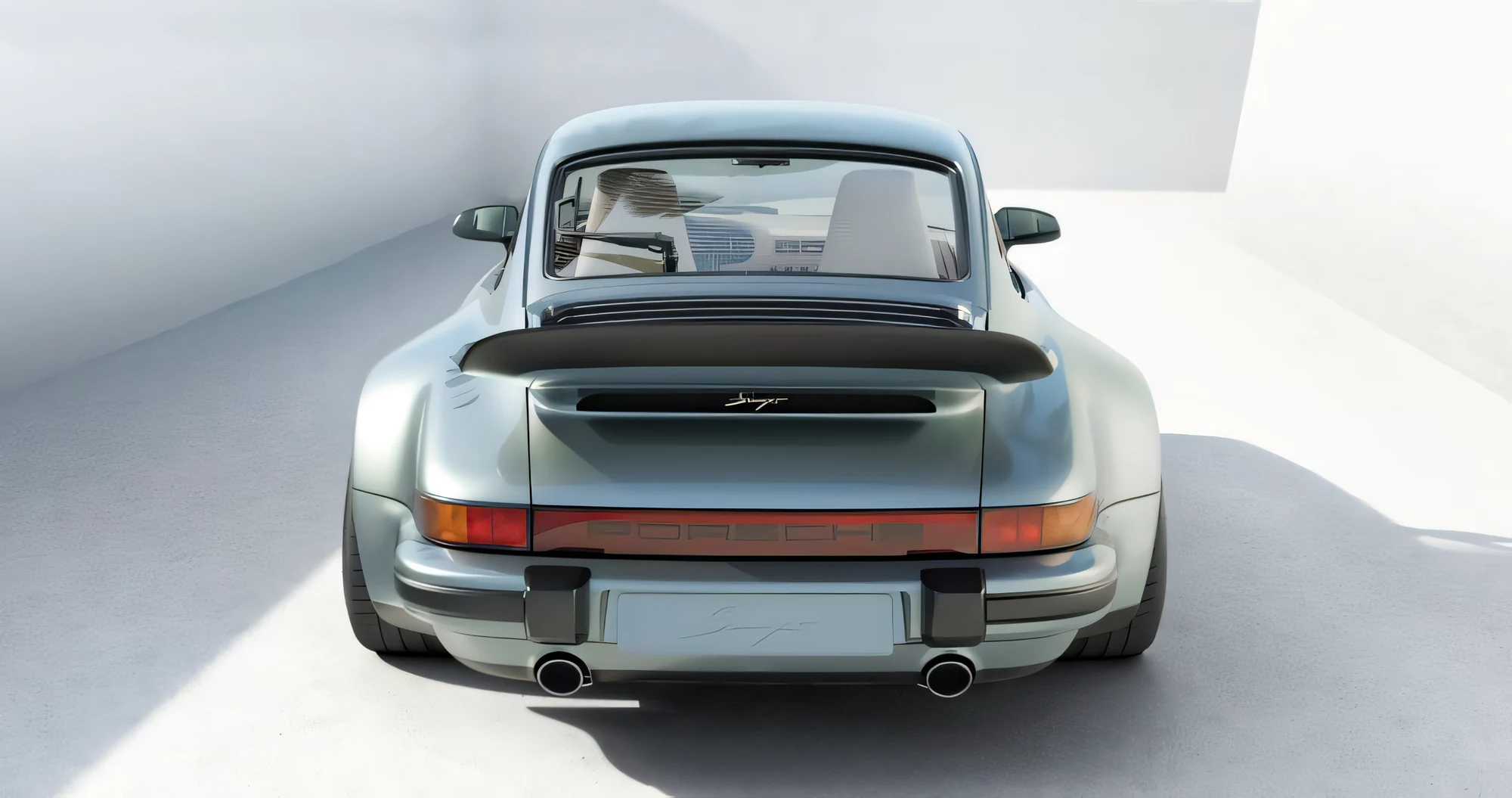
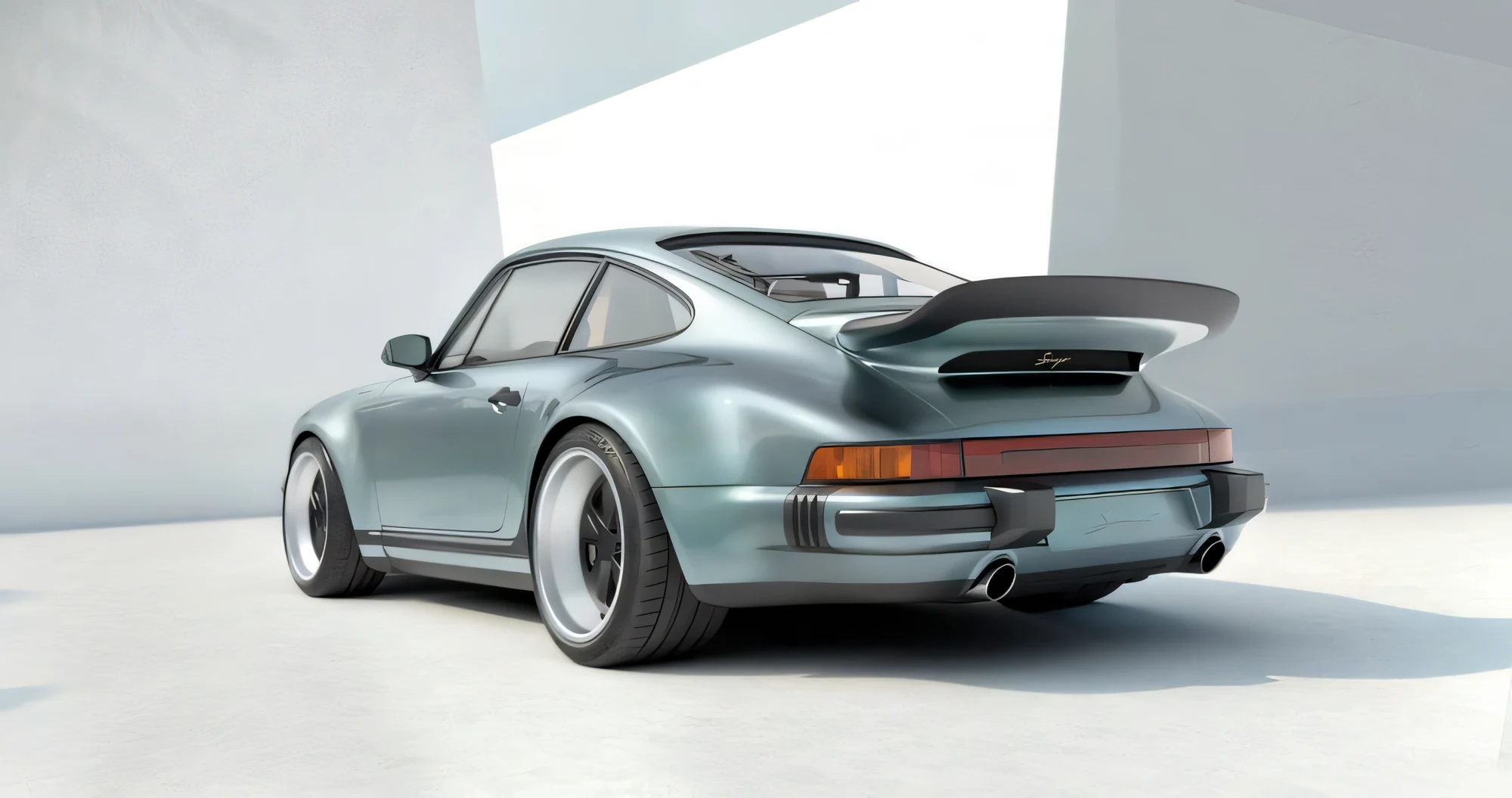
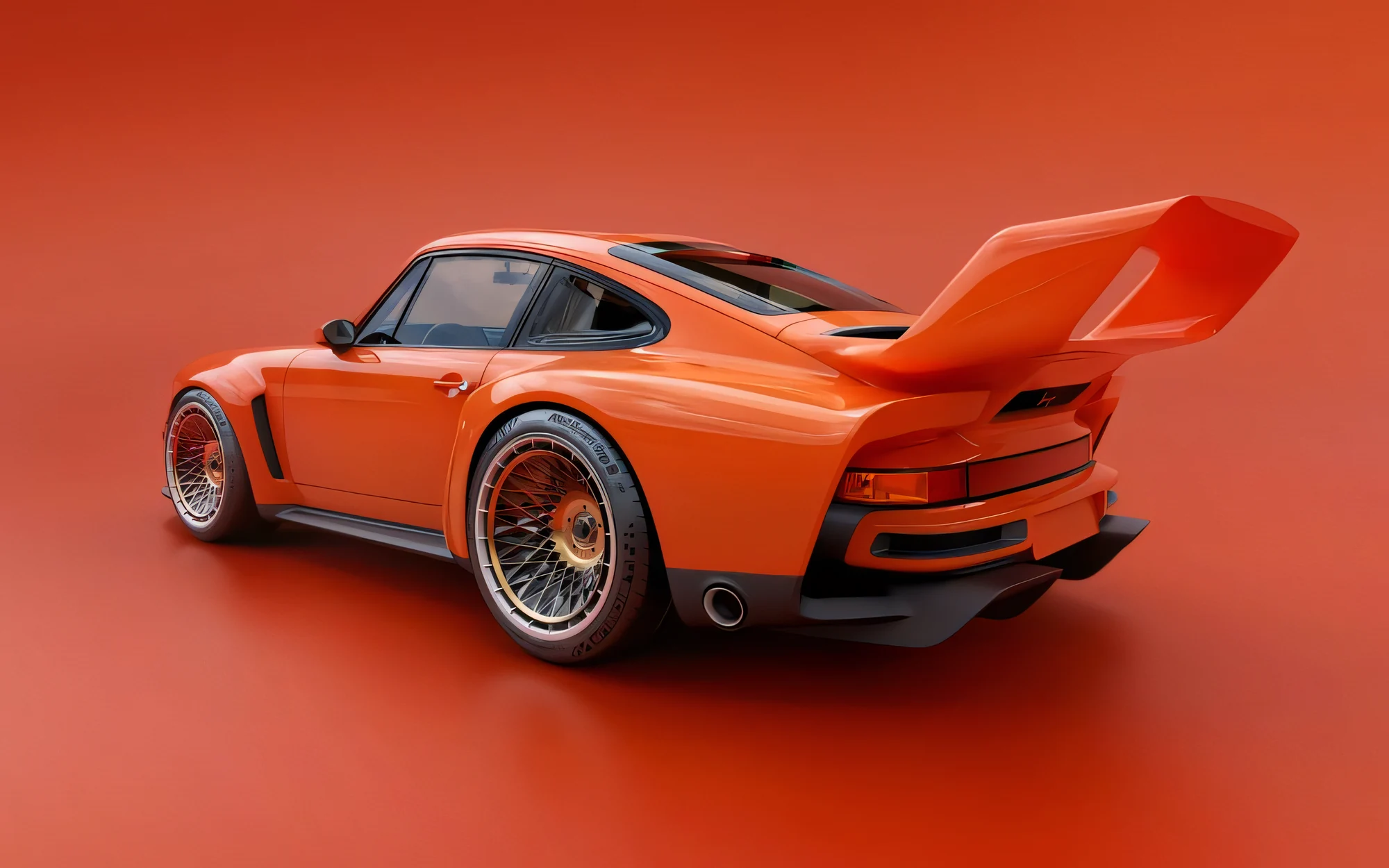
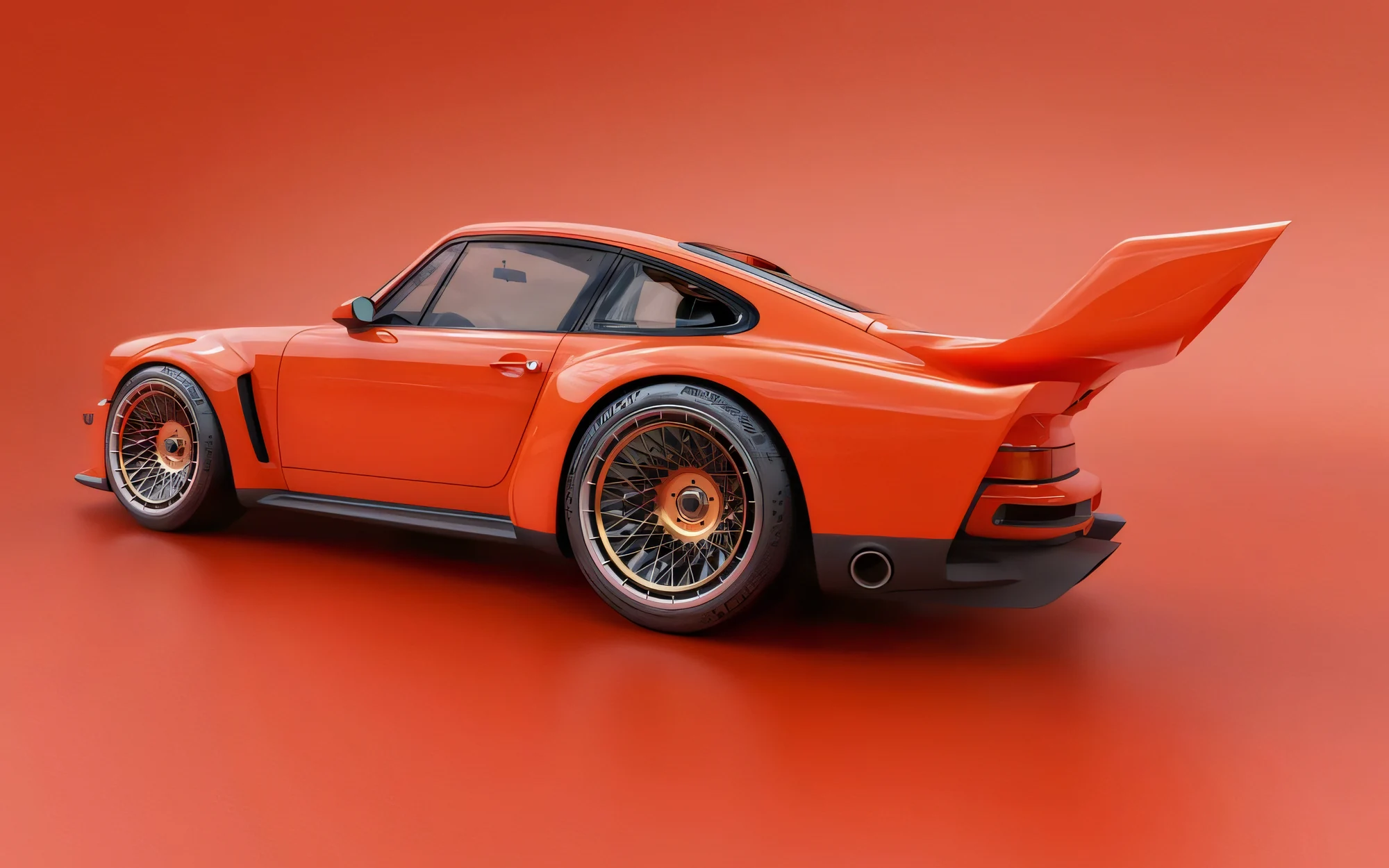
The gallery above is the whole argument in one place: factory GT3s and Turbos
parked next to Singer’s reimagined air-cooled cars. Same bloodline, two ways of
arriving — Stuttgart builds the new ones, and an entire industry rebuilds the old.
You can’t explain one without the other, which is why this page covers both.
Eight generations, one silhouette
Walk the codes. The original 901/O-series (1963); the long-running
G-series that carried the 930 Turbo from 1975; the 964; then the
993 — the last air-cooled 911, built to 1998. After it, the water-cooled era:
the 996 (the first, 1998), the 997, the 991 (which gave us the
one-millionth 911 in 2017), and today’s 992. Same idea, refined for sixty
years — and still recognisably the car it started as.
The line that splits the faithful: air vs water
The 993’s end in 1998 closed the air-cooled chapter; the 996 opened the
water-cooled one. That switch is the fault line the entire 911 world argues
across. Air-cooled cars are lighter, simpler, louder, and now hold serious value;
water-cooled cars are faster, tougher and far cheaper to run. It is exactly why
the restomod scene fixates on the air-cooled 964 — and why a reimagined one
can cost more than a brand-new 992.
Why the layout works
Hanging the engine behind the rear axle should make a car desperate to swap ends.
Porsche spent six decades engineering around that instead of abandoning it —
mass over the driven wheels for traction off a corner, and a chassis honed to
contain the physics rather than fight it. The pay-off is a car that puts power
down like almost nothing else, and rewards a driver who has learned how.
Owning one in South Africa
Air-cooled 911s have a genuine following here, served by specialists like Cape
Town’s Dutchmann, who work everything from the 1960s cars through to the 993;
Porsche has an official presence for the modern range. The catch is supply and
forex — clean air-cooled 964s and 993s are thin on the ground locally and tend to
command a premium over a straight rand conversion of overseas guide prices. Buy
on condition and history, get any air-cooled engine inspected by someone who
knows them, and check current values before you commit.
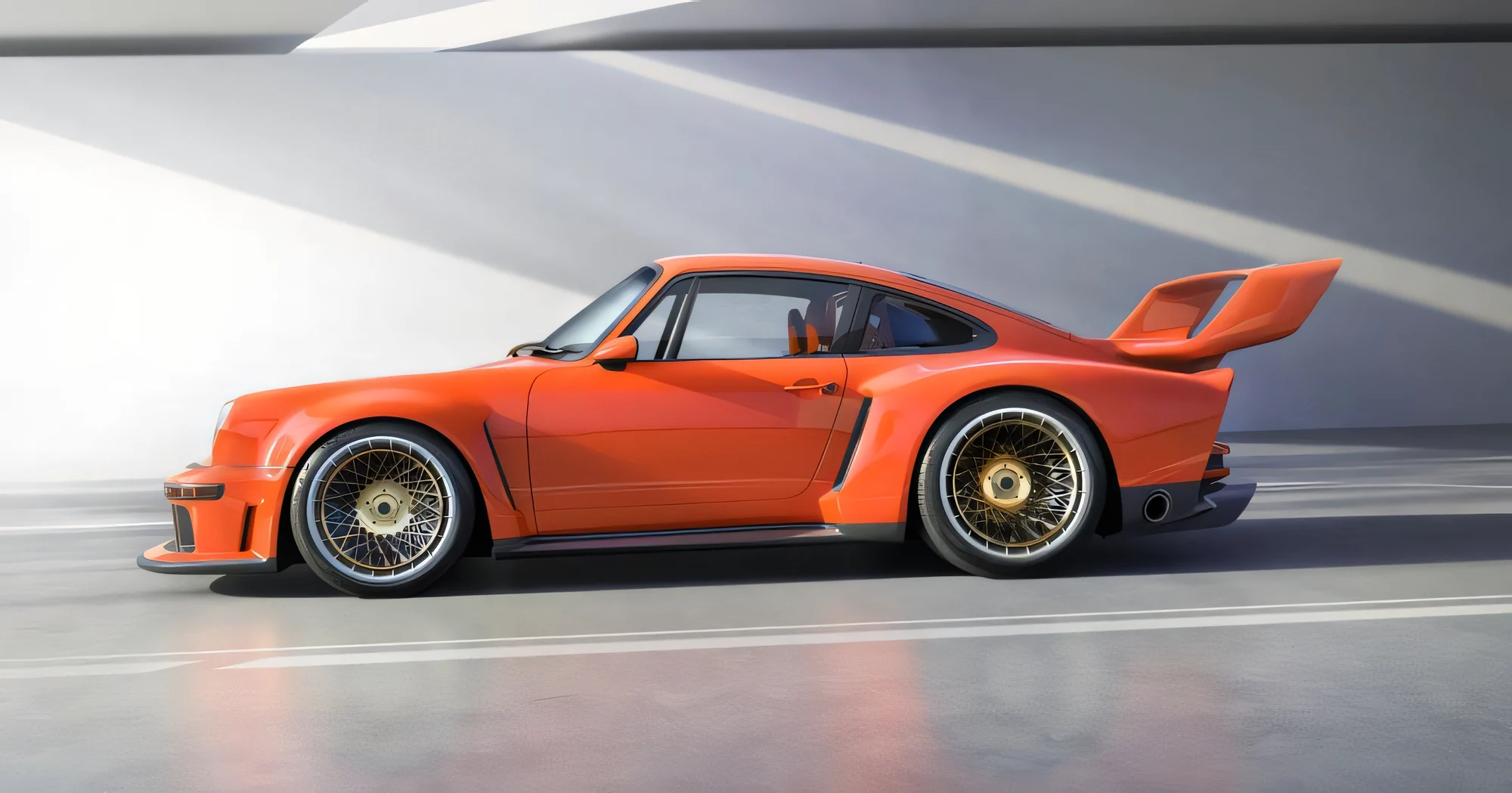
Singer DLS (964-based) · Manufacturer press
The reimagining that changed everything
How Singer turned a 964 into a $1.8M idea
Singer Vehicle Design doesn't build new cars. It takes a customer's own Porsche 964 and rebuilds every component to a standard the factory never attempted — hand-finished bodywork, a rebuilt air-cooled flat-six, and a level of detail that turned 'restomod' into a luxury category.
Its halo, the DLS — Dynamics and Lightweighting Study, engineered with Williams Advanced Engineering — is the high-water mark: a 4.0-litre naturally aspirated air-cooled flat-six spinning to 9,000 rpm for 500 hp, in a carbon-and-titanium car under a tonne. Seventy-five were built, from around $1.8 million each.
That's the number that reframes the whole 911: a thirty-year-old, mass-produced sports car, reimagined, worth more than any factory 911 ever sold. Singer didn't restore the 964 — it proved the platform was never finished.
How it gets modified
The modifications that actually get done — what each does, roughly what it gains, roughly what it costs.
Restomod
The reimagining (Singer)
A customer's own 964 stripped to the shell and rebuilt to bespoke spec — hand-finished bodywork, a rebuilt air-cooled flat-six, obsessive detail. It made 'restomod' a luxury category.
A new car under old skin≈$500k–$1.8M+
The look
Backdating
Convert a later air-cooled car — usually a 964 — to the long-hood, short-bumper look of an early 911. The aesthetic movement the restomod houses commercialised.
Classic looks, modern bonesBody + trim money
993 · carbon
Gunther Werks
993-based, full carbon-fibre bodywork, Rothsport-built flat-sixes. 'Project Endgame' runs a twin-turbo 4.0L air-cooled flat-six making 840 hp at 7,500 rpm.
Up to 840 hp, still air-cooledSeven figures
Own marque
RUF
Not a tuner — RUF builds under its own VIN, a manufacturer in its own right. The twin-turbo CTR 'Yellowbird' is the legend; the cars start Porsche and end RUF.
A Porsche that isn't a PorscheCollector money
Engine
Air-cooled hot-rod flat-six
The backbone of every air-cooled build: 3.6 stretched to 3.8 or 4.0 litres, individual throttle bodies, hotter cams. Specialist work, but it's what makes the noise.
Revs and soundSpecialist labour
Track
GT3 prep
The modern water-cooled path: cage, coilovers, aero and cooling on a 997/991/992 GT3. Less reinvention, more lap time — the factory already did the hard part.
Lap timesOngoing
Every frame
The whole set — tap any to blow it up.
The progression
The numbers that actually changed, generation by generation.
Power — the ones we're showing
Air-cooled Singer restomods sit right alongside the modern factory flagships. The 911's range is absurd: a reimagined 1990s car makes as much as a current Turbo.
997 GT3
415 PS
2007 · water
Singer DLS
500 PS
964 · air
Turbo Study
510 PS
930 · air
991 Turbo S
580 PS
2016 · water
992 Turbo S
650 PS
2020 · water
Redline — who still chases 9,000
Naturally aspirated 911s — air-cooled or not — still spin to 9,000. The turbocharged cars trade revs for a wall of torque.
Singer DLS
9,000 rpm
air · NA
992 GT3 RS
9,000 rpm
water · NA
997 GT3
8,400 rpm
water · NA
991 Turbo S
7,200 rpm
water · turbo
992 Turbo S
7,200 rpm
water · turbo
The reimagining premium
Indicative from-prices, USD. A clean 964 donor sits at the bottom; a reimagined one tops the scale. Used values move, so treat the base numbers as ballpark, not gospel.
Clean 964
90 $k
donor
Backdate build
200 $k
DIY-plus
Singer (typical)
700 $k
reimagined
Gunther Werks
1,500 $k
993 carbon
Singer DLS
1,800 $k
halo
The spec sheet
Specs by generation — pick an era.
930 · 1975–89 · Singer Turbo Study
Shown
Singer Turbo Study (964 base, 930 look)
Engine
3.8L twin-turbo air-cooled flat-six
Power
~450 hp (510 hp in higher spec)
Gearbox
6-speed manual
Drive
RWD or AWD
Revealed
2022 — Singer's first turbo
Original
930 Turbo, on sale from 1975
964 · 1989–94 · Singer DLS
Shown
Singer DLS (Dynamics & Lightweighting Study)
Partner
Williams Advanced Engineering
Engine
4.0L NA air-cooled flat-six
Power
500 hp @ 9,000 rpm
Weight
~990 kg (carbon / titanium / magnesium)
Production
75 cars
Price
From ~US$1.8 million
997 · 2004–2012
Shown
911 GT3 (997.1, 2007)
Engine
3.6L NA flat-six (Mezger)
Power
415 PS @ 7,600 rpm
Redline
~8,400 rpm
Weight
~1,395 kg
Cooling
Water-cooled
991 · 2011–2019
Shown
911 Turbo S (991.2, 2016)
Engine
3.8L twin-turbo flat-six
Power
580 PS · 750 N·m
0–100 km/h
~2.9 s
Milestone
One-millionth 911 (a 991, 2017)
Halo
GT2 RS — 6:47.3 'Ring record (2017)
992 · 2018–present
Shown
911 Turbo S · GT3 RS
Turbo S
650 PS · 800 N·m · 0–100 in 2.7 s
GT3 RS
525 PS NA · 6:49.3 Nürburgring (2022)
Cooling
Water-cooled; first 911 hybrid (992.2 GTS)
Straight answers
Why is it called 911 and not 901?
It launched as the 901 at the 1963 Frankfurt show — and roughly 82 pre-production 901s were built — before Peugeot asserted its rights (mainly in France) to three-digit car names with a zero in the middle. Porsche simply swapped the 0 for a 1, helped along by already having the numerals in stock.
What's a "Mezger" engine, and why do buyers pay more for one?
It's named after Hans Mezger — the engineer behind the original 1963 flat-six, the Le Mans-winning 917 flat-12 and the title-winning TAG-Porsche F1 turbo V6. Crucially, the 996/997 GT3, Turbo and GT2 used his race-derived engine, which does NOT have the intermediate-shaft (IMS) bearing that can fail on the ordinary M96/M97 Carrera motors of that era. That immunity is a big part of why a Mezger-engined 911 commands a premium.
Does Singer avoid calling its cars Porsches?
The opposite of what most assume. Singer proudly markets each car as "a Porsche 911 reimagined by Singer." Its settlement with Porsche actually forbids the reverse — it can't brand the cars "Singer 911s" or imply they're a separate marque. Compare RUF, which genuinely is its own registered manufacturer with its own VINs.
How quick was the RUF "Yellowbird", really?
In Road & Track's 1987 top-speed shootout the RUF CTR hit 211 mph — and beat the Porsche 959, Ferrari F40 and Lamborghini Countach gathered for the test. It started as a 911 Carrera 3.2 shell that RUF re-numbered and re-engineered; RUF has been a recognised manufacturer since 1981.
The 964 looks like every old 911 — what made it special?
About 85% of it was new despite the familiar shape, and the 964 Carrera 4 (1989) was the first all-wheel-drive production 911, its system derived from the 959 supercar. It's the generation Singer builds on precisely because it's modern enough underneath to reimagine.