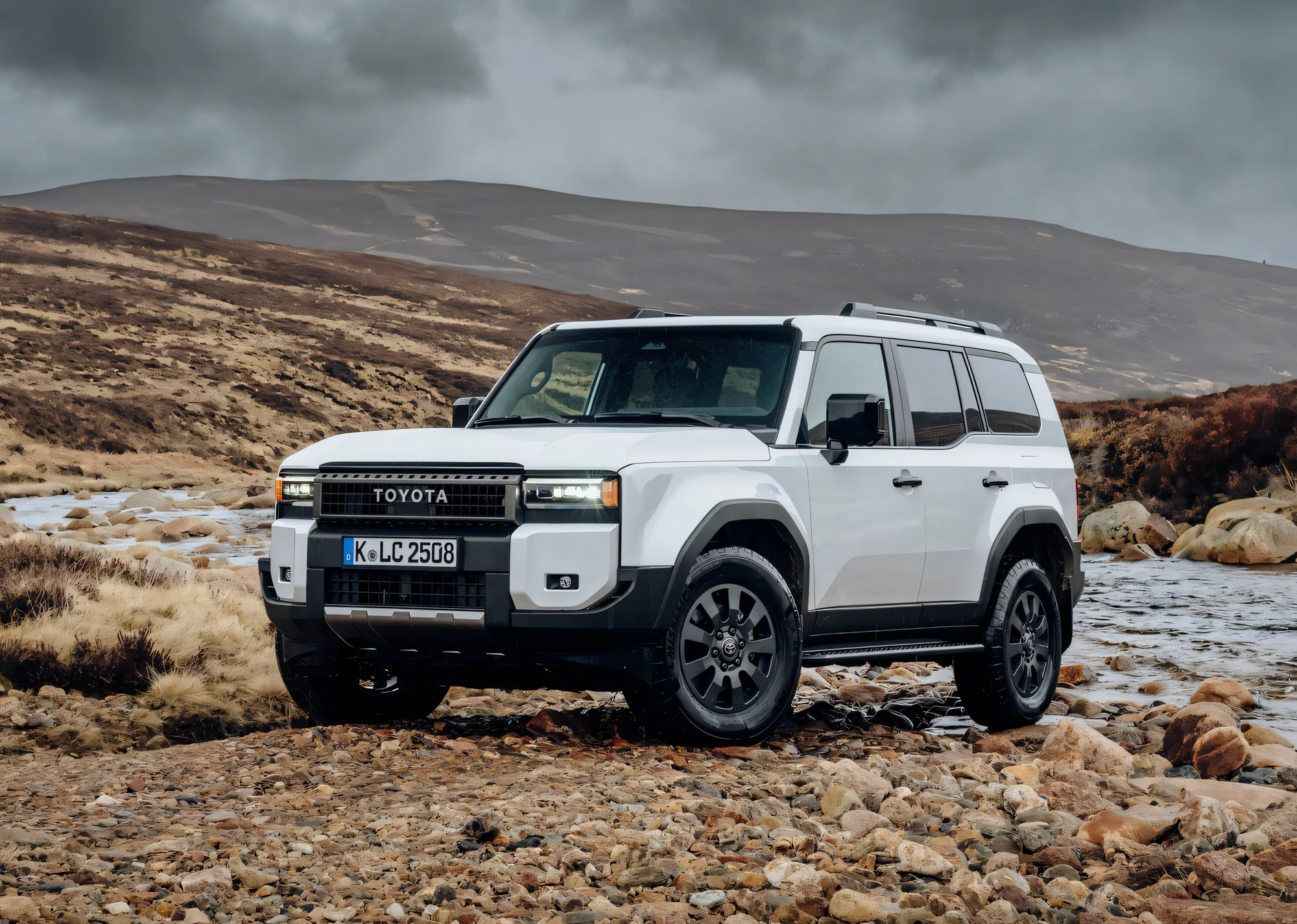
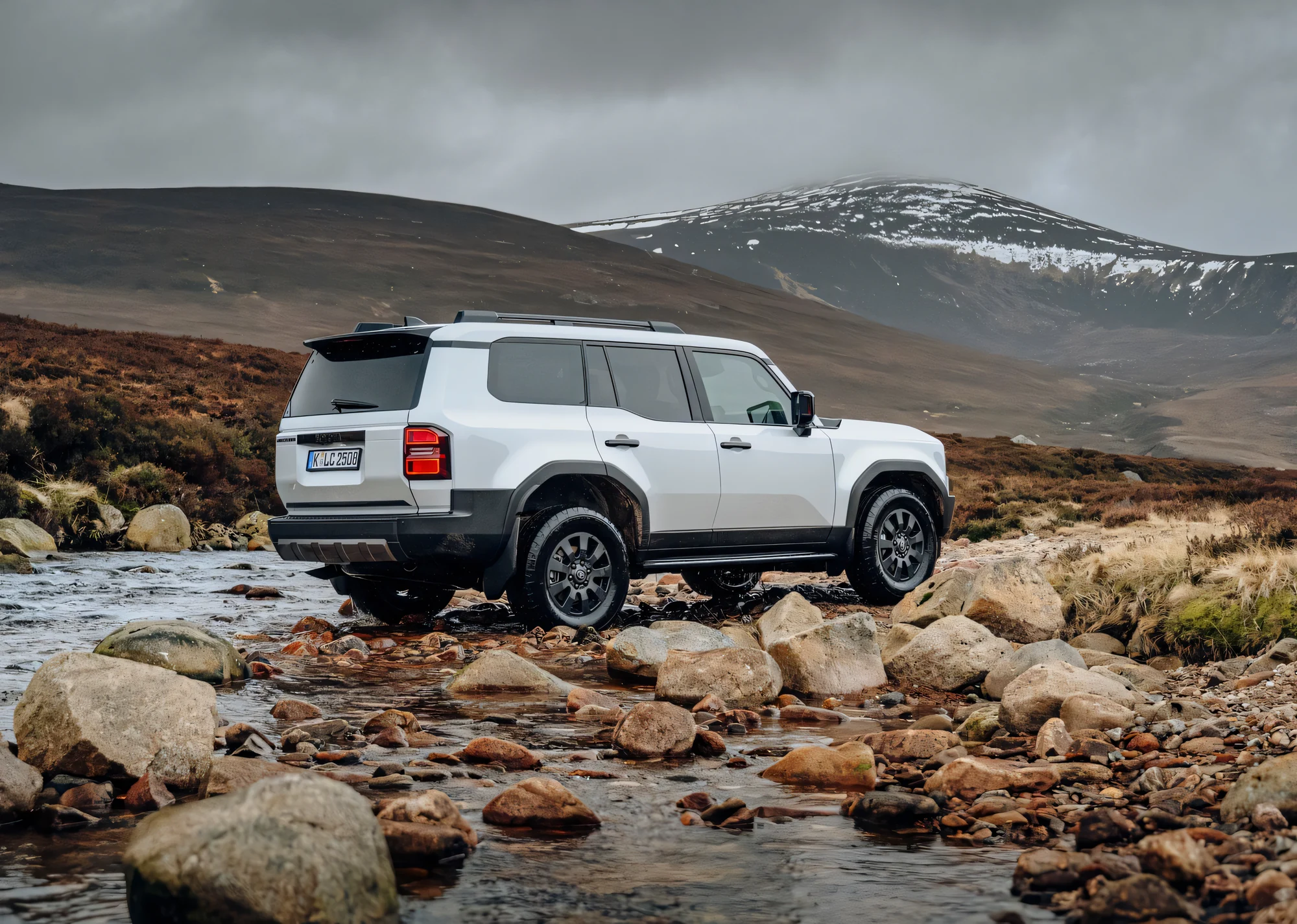
model42 yrsThe 70 Series has run since 1984 — the longest-lived single-generation ToyotaToyota / CarBuzz
spec1951A BJ prototype climbed to Mt Fuji's 6th station — the first vehicle ever that highToyota / Wikipedia
track1–2Land Cruiser 300 GR Sport's result on its Dakar Stock-class debutToyota Gazoo Racing
model1961–65Years the Land Cruiser was Toyota's US best-seller — the car that built the brandToyota pressroom
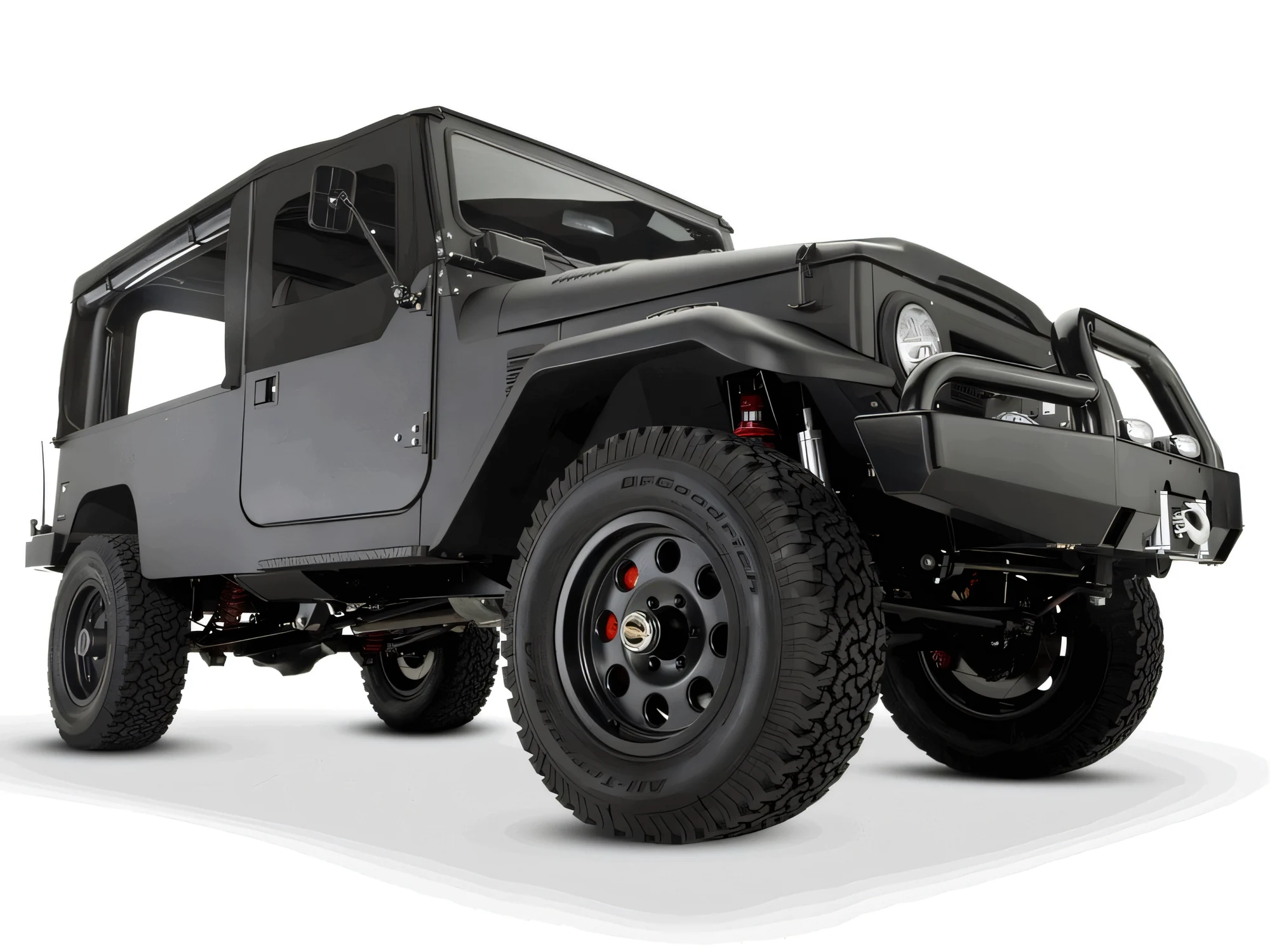
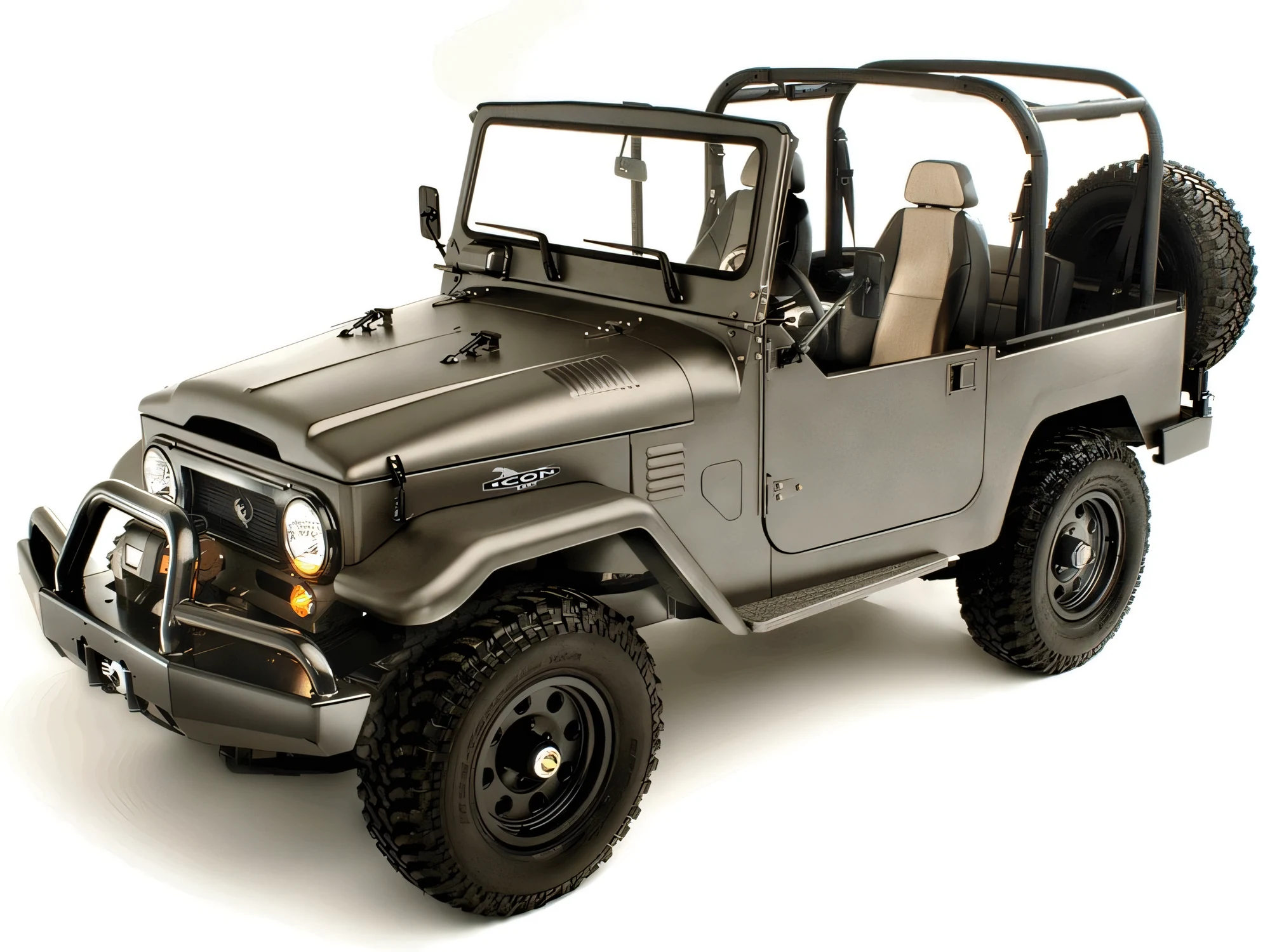
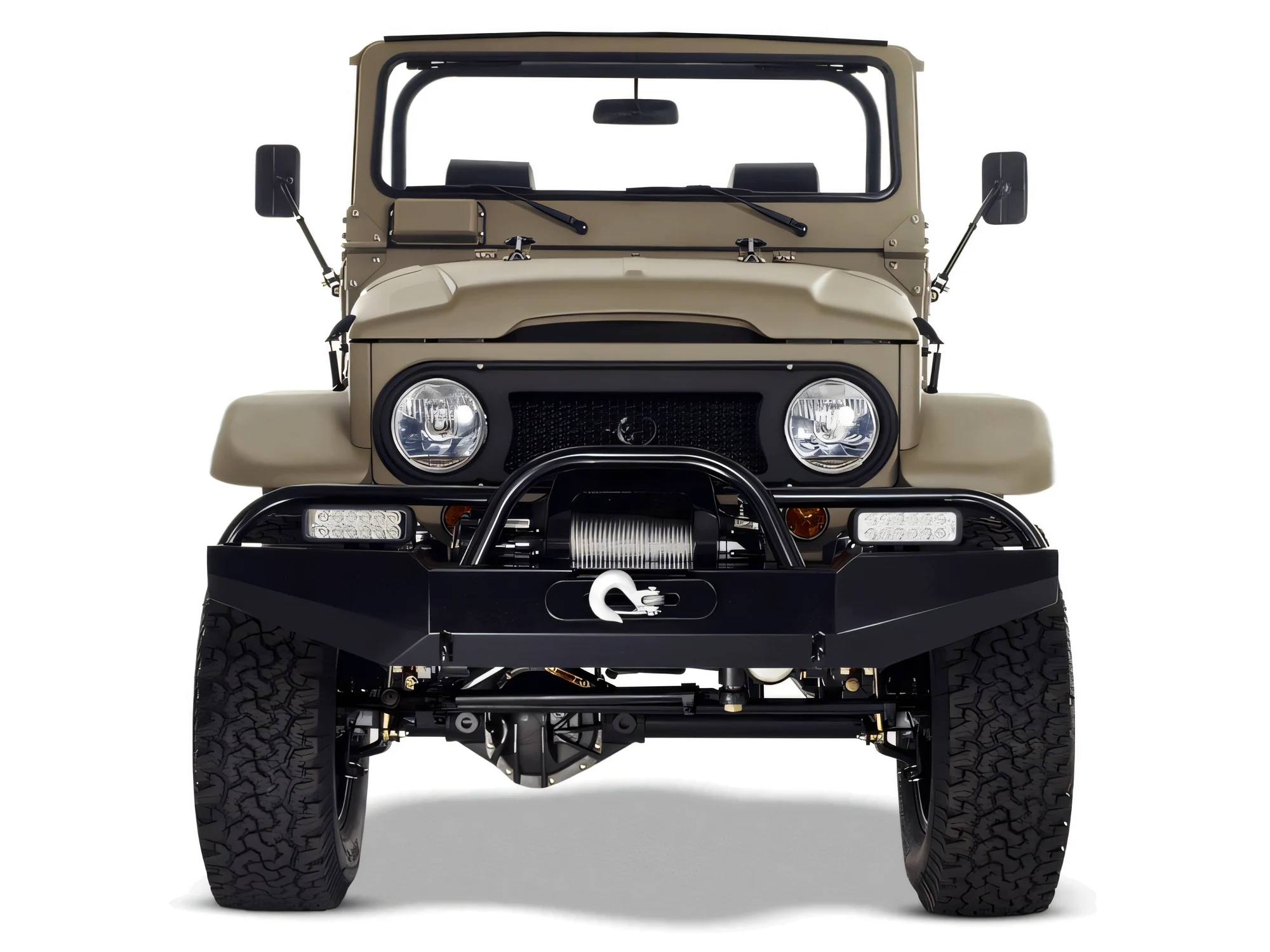
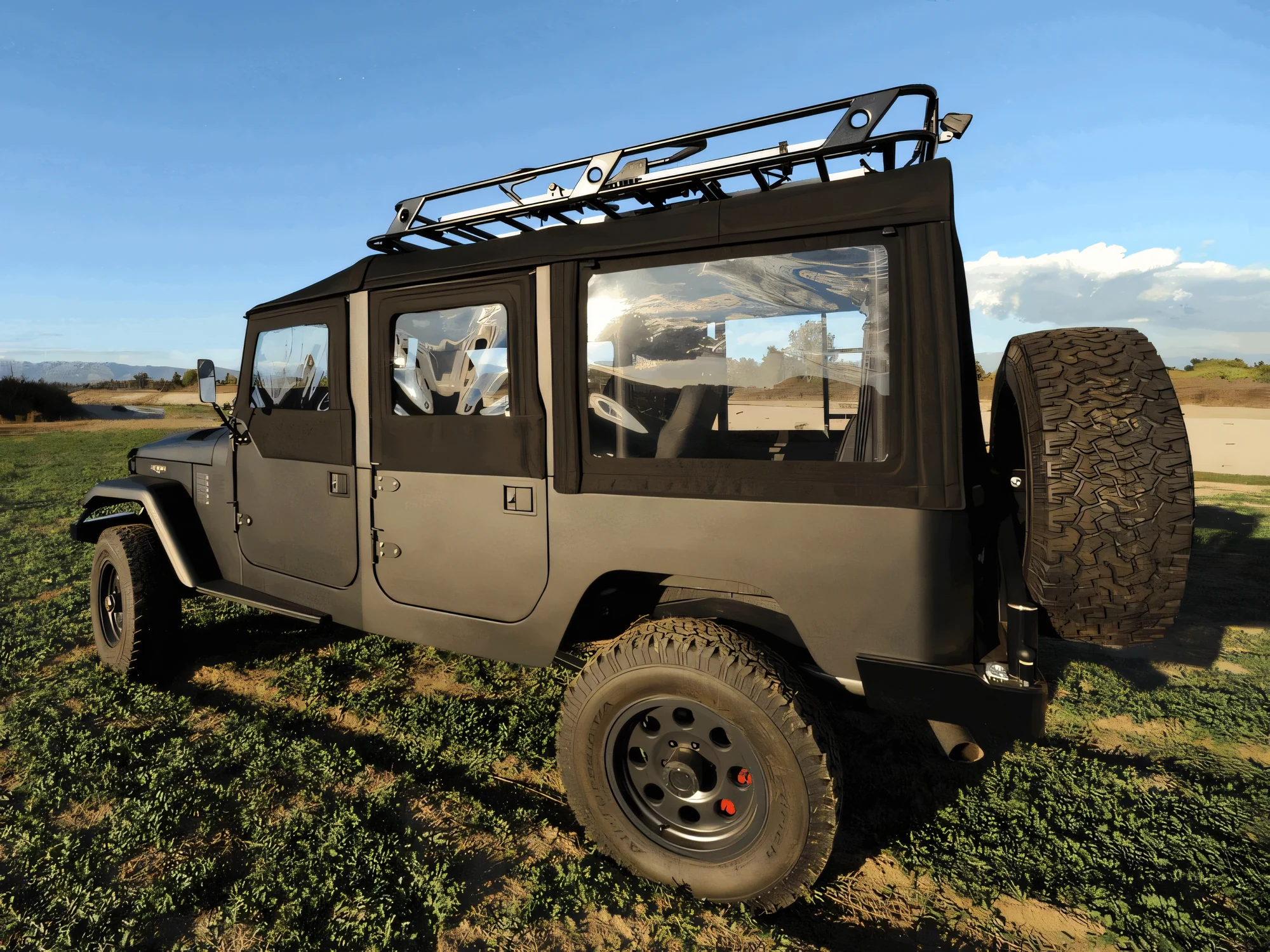
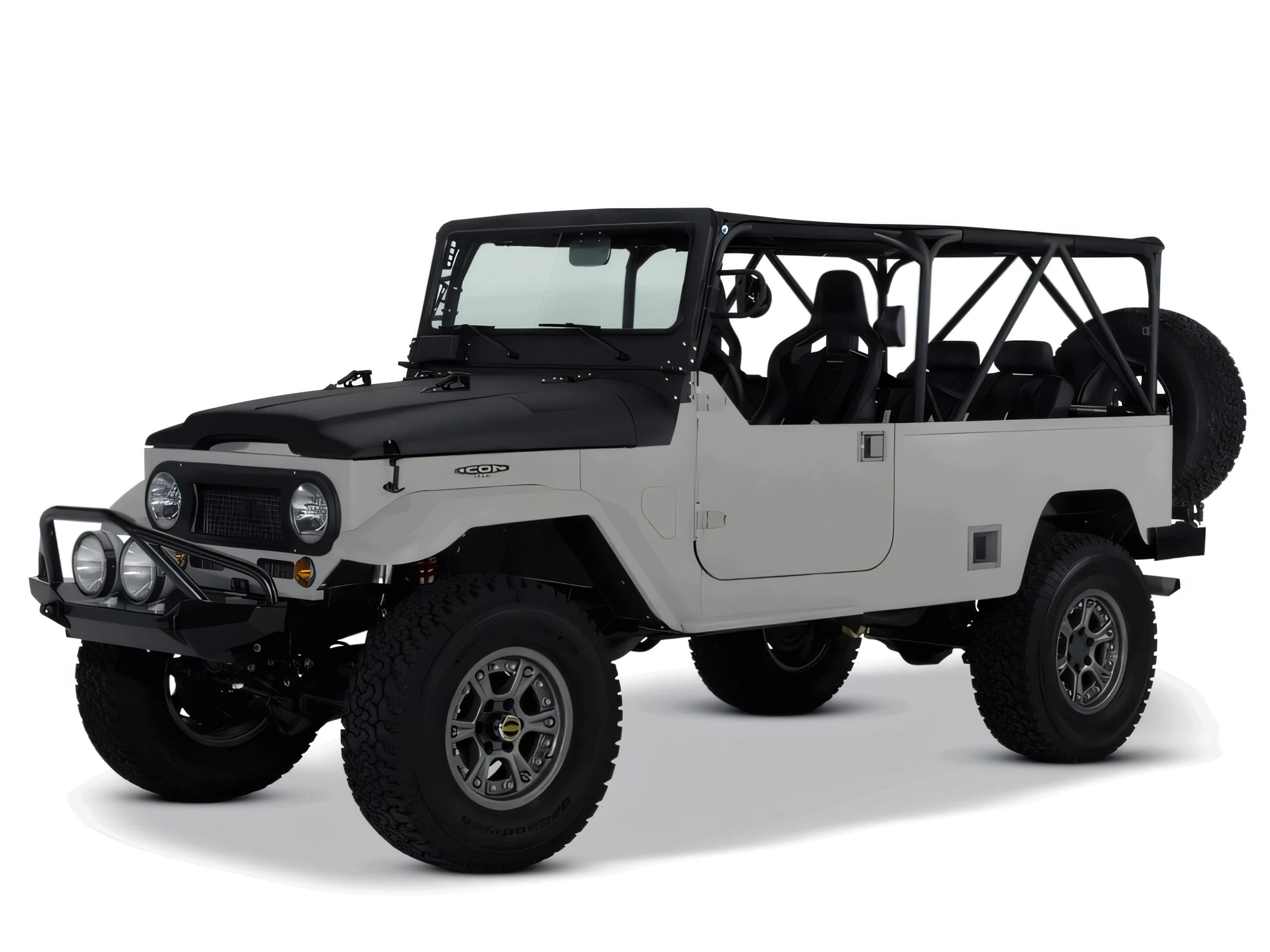
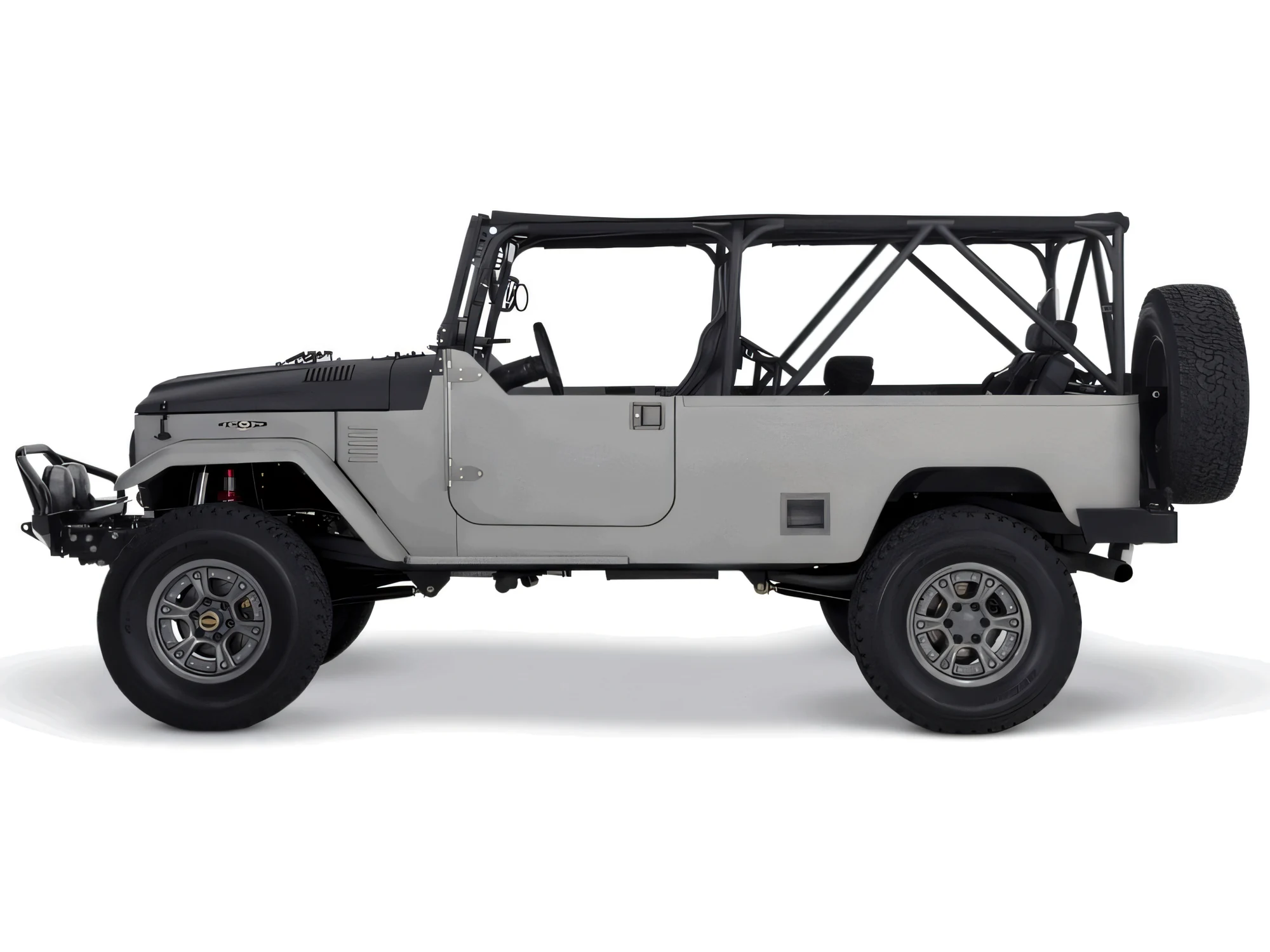
reimagined$240kWhat an ICON 4x4 FJ44 restomod costs — the FJ40 shape, fully re-engineeredCarBuzz
spec430 N·mThe 4.5 V8 turbodiesel 79's torque — an SA favourite Toyota retired in Aug 2025Cars.co.za
The Land Cruiser earned the most valuable reputation in motoring — that it will get you there and get you back — and then spent seventy years refusing to squander it. It is not the fastest or the cleverest 4x4, and in South Africa it isn't even built here. It is simply the one aid agencies, farmers, miners and overlanders across Africa reach for when the vehicle absolutely cannot fail. That trust is the whole product.
It earned 'goes anywhere, comes back' the hard way — from a 1951 Mt Fuji climb to being the vehicle UN and aid fleets standardise on across Africa.
The 70 Series has been in continuous production since 1984 — over 40 years, still sold new in SA as the 76, 78 and 79 — the longest-running single-generation Toyota ever.
Africa's Cruiser is imported, not built here — but the beloved 4.5 V8 diesel 79 was an SA staple for 18 years, until Toyota SA retired it in August 2025.
The Land Cruiser is the vehicle that decided reliability was a feature worth building a
company around, and then never stopped proving it. It started in 1951 as a Jeep-inspired
prototype that climbed higher up Mt Fuji than any vehicle had, took a name in 1954 chosen
to needle the Land Rover, and grew into the 4x4 that farmers, miners, aid agencies and
armies across the world trust with their lives. In South Africa and the rest of Africa
especially, it isn’t an aspiration — it’s infrastructure.
The reputation, and how it was earned
Two things built the legend. The first is the FJ40 (1960–1984), the boxy icon that
became Toyota’s best-selling model in America in the early 1960s and carried the brand’s
durability reputation around the planet. The second is what came after it: the 70
Series, in continuous production since 1984 — the longest-running single-generation
Toyota there is — sold new in South Africa to this day as the 76 wagon, the 78 ‘Troopie’
and the 79 pickups. Nothing about the Cruiser’s appeal is subtle. It is the truck that
comes back, and it has spent seventy years refusing to give anyone a reason to doubt it.
Coils, lockers and the 80 Series obsession
The Cruiser evolved without softening. The 80 Series (1990–1997) swapped to coil
springs all round and full-time four-wheel drive, and could be optioned from the factory
‘triple-locked’ — front and rear electric diff locks, rare on any 1990s 4x4 — which is
exactly why it’s the enthusiast’s cult overland pick. The 100 Series (1998) brought
independent front suspension and an available V8, the pivot toward comfort; the 300
Series (2021) went the other way underneath, adopting a stronger, stiffer ladder frame
even as it dropped the V8 for twin-turbo V6s. The numbers behind that shift — torque
climbing, generation lengths, the 70’s absurd longevity — are in the charts above.
The overland build
On a Land Cruiser the build philosophy is reliability-first, and it starts with traction
and range, not power. Diff locks front and rear so nothing spins; long-range fuel and
water tanks to cross a country between fills; a dual-battery system for the fridge and
winch; a snorkel for water and dust; and a GVM upgrade so all of that weight is carried
legally rather than on the bump-stops. The diesel of choice is the bulletproof
naturally-aspirated 1HZ or the coveted 4.5 V8, depending on whether you value
field-fixability or torque. It’s a different creed from the Defender’s: where the Land
Rover sells simple roadside repair, the Cruiser sells not needing it.
Owning one now
The Cruiser’s reputation now works on values too. Clean FJ40s have climbed firmly into
collector territory, the triple-locked 80 Series has hardened into a coveted overland
classic, and ICON’s restomods sit at the top of the market around US$200k–240k. In South
Africa the 79 double-cab holds its value stubbornly, and the August 2025 retirement of the
4.5 V8 diesel is only likely to firm up used-V8 prices further. Whatever you buy, buy on
condition and service history — the whole point of a Land Cruiser is the one that was
looked after, because that’s the one that will still be working long after everything
around it has stopped.
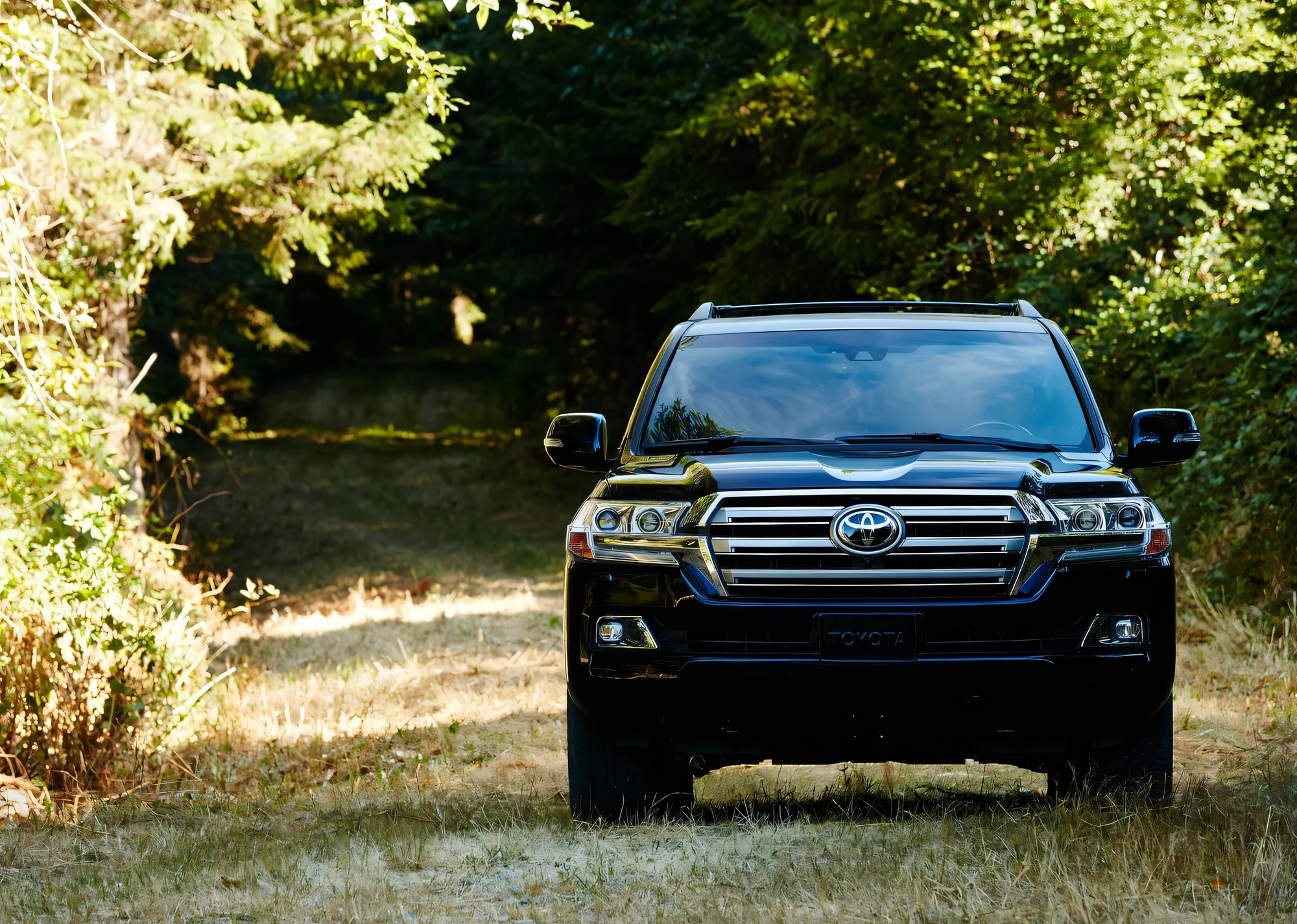
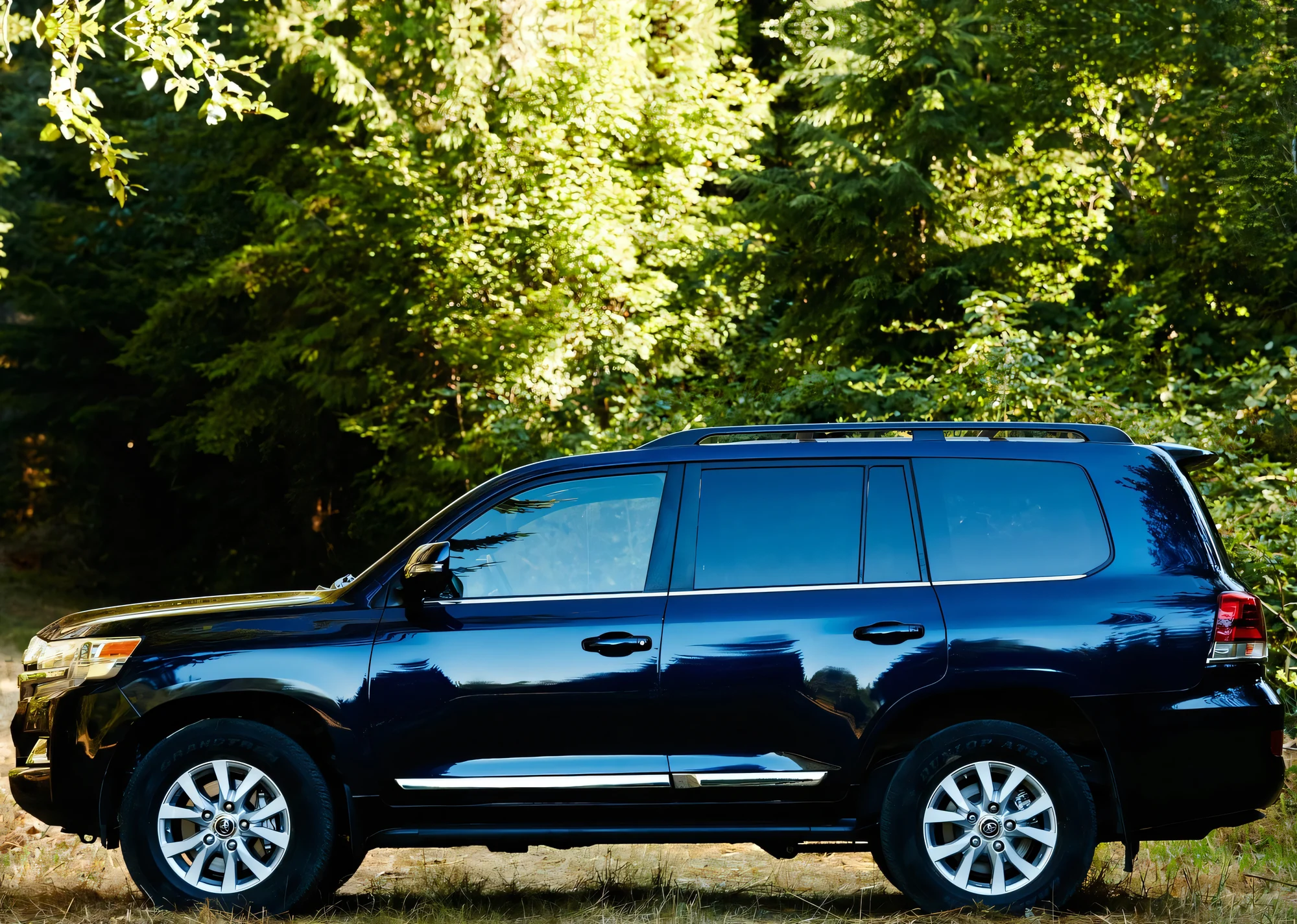
Land Cruiser 200 Series (2016) · Manufacturer press
The vehicle Africa runs on — imported by the thousand
Not built here. Trusted here anyway.
It surprises people, given how South African the Land Cruiser feels: it isn't assembled here. Toyota South Africa's Prospecton plant in Durban builds the Hilux, Fortuner, Corolla Cross, Quest, Hiace and Hino trucks — but the Land Cruiser is fully imported, the 70 Series shipped in from Toyota Auto Body's Yoshiwara plant in Japan. Unlike the Defender, which South Africa genuinely built, the Cruiser is a global product the continent simply chose.
And chose comprehensively. The Land Cruiser is the de-facto standard for UN agencies, the Red Cross and NGOs across Africa — picked for durability and the fact that a mechanic and a spare part are never far away, even in the deep field. The WHO ran refrigerated 70-Series Cruisers to move COVID-19 vaccines through the cold chain. For farms, mines and game reserves the 76 wagon, 78 'Troopie' and 79 pickups have been the default working 4x4 for decades, still sold new.
Its most-loved South African chapter just closed. The 79's 4.5-litre 1VD-FTV V8 turbodiesel — 151 kW and 430 N·m — was an SA staple for eighteen years, until Toyota SA retired the V8 in August 2025 and replaced it with a 2.8-litre four-cylinder. On the competition side the flag stays local: Toyota Gazoo Racing SA builds the Dakar Hilux in South Africa, while the Land Cruiser 300 GR Sport took a one-two on its Dakar Stock-class debut.
How it gets modified
The modifications that actually get done — what each does, roughly what it gains, roughly what it costs.
Diesel heart
The 1HZ (or the V8) build
The reliability-first path: the naturally-aspirated 4.2 1HZ six is the bulletproof, field-fixable favourite, while the 4.5 1VD-FTV V8 turbodiesel is the torque king people covet. Whichever you run, the Cruiser's pitch isn't easy repair like the Defender — it's not breaking in the first place.
Torque that never quitsEngine + fitment
Traction
Diff locks, front and rear
The 80 Series could leave the factory 'triple-locked' with front and rear electric diff lockers — rare for a 1990s 4x4 — and it's the first thing owners add to anything that didn't. With solid axles at both ends, a locked Cruiser walks over terrain that stops open-diff trucks dead.
Nothing spins, everything drivesLockers + install
Range
Long-range tanks + dual battery + snorkel
The overland trinity: auxiliary long-range fuel and water tanks to cross a country between fills, a dual-battery system to run fridge and winch without stranding you, and a snorkel for wading and dust. Standard kit on any serious 70 Series.
Self-sufficiencyTanks, wiring, snorkel
Payload
GVM upgrade
Load a Cruiser with kit, tanks, drawers and a roof-top tent and you'll blow past its legal gross vehicle mass fast. A GVM upgrade — heavier springs and re-rated suspension, engineered and certified — lets you carry the overland load legally instead of on bump-stops.
Carry it all, legallySuspension + certification
Restomod
The ICON FJ40 route
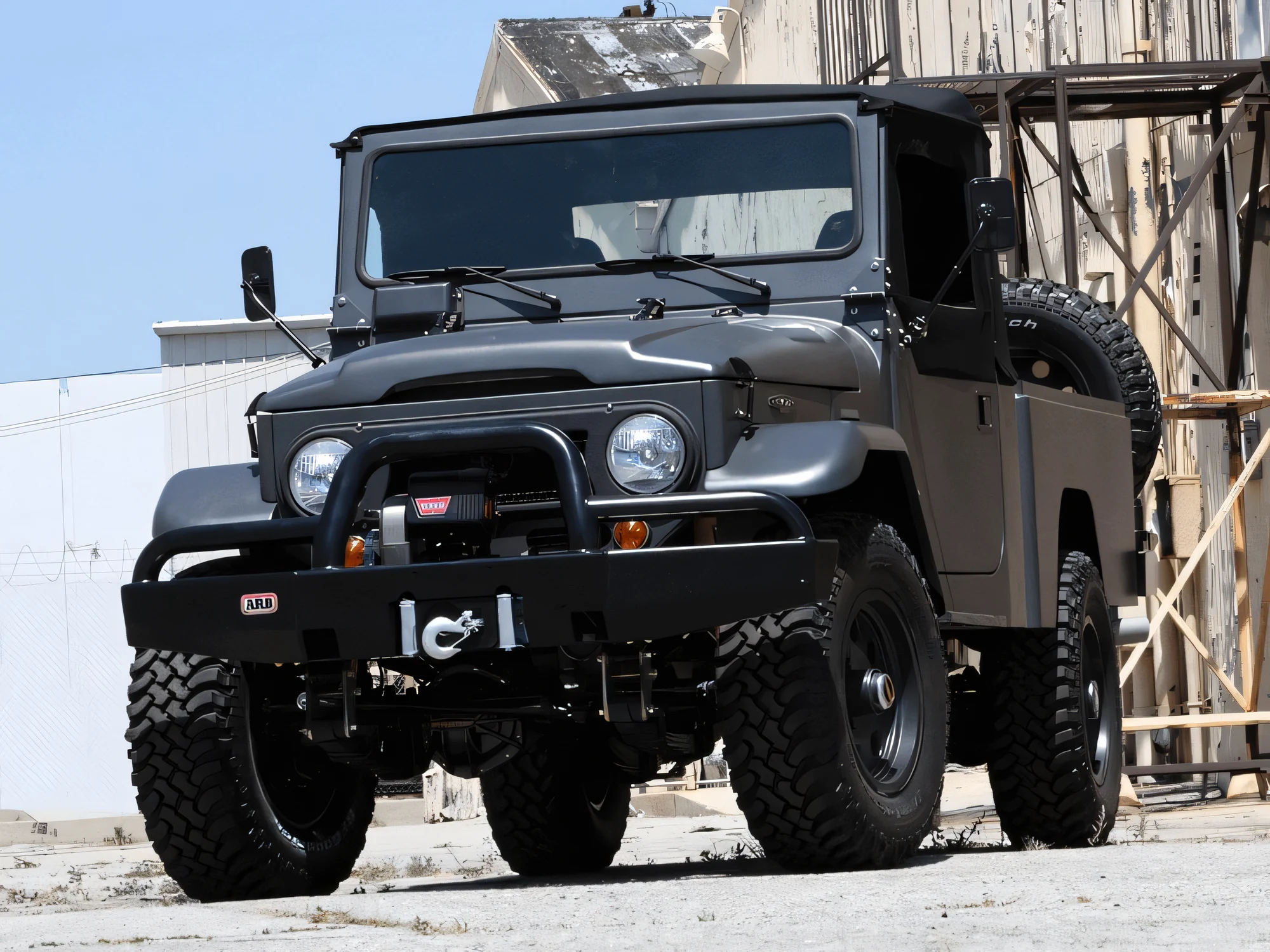
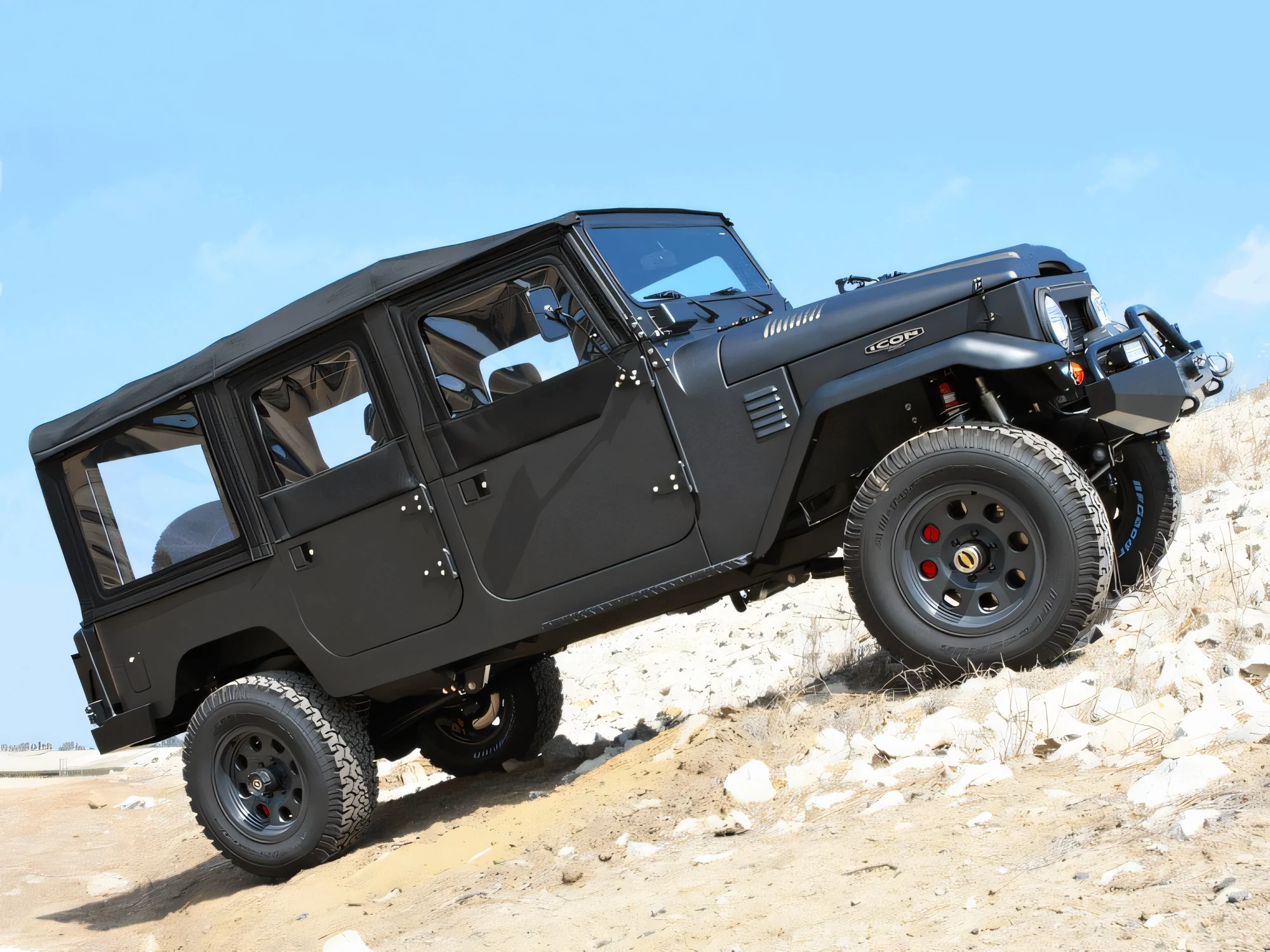
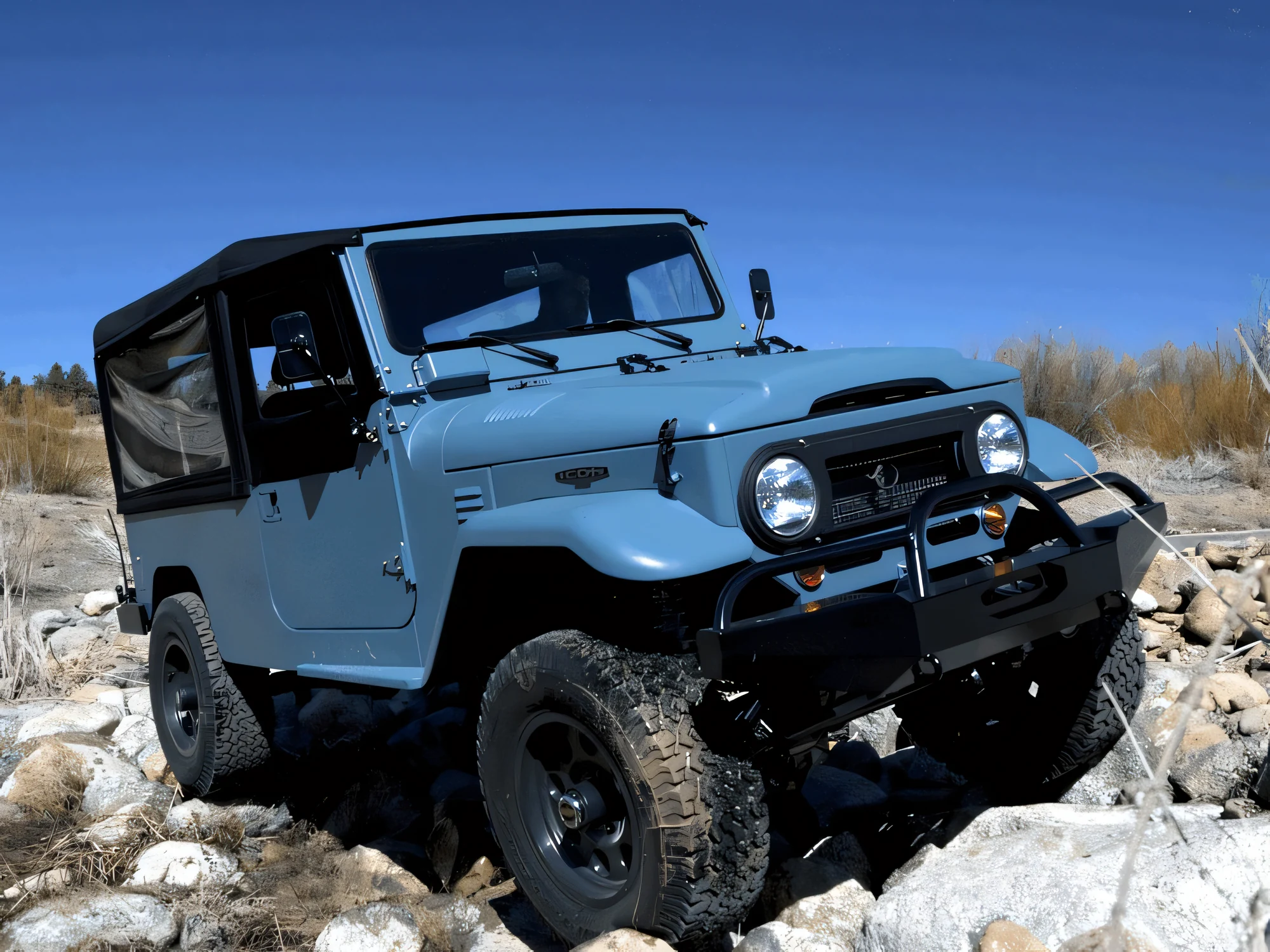
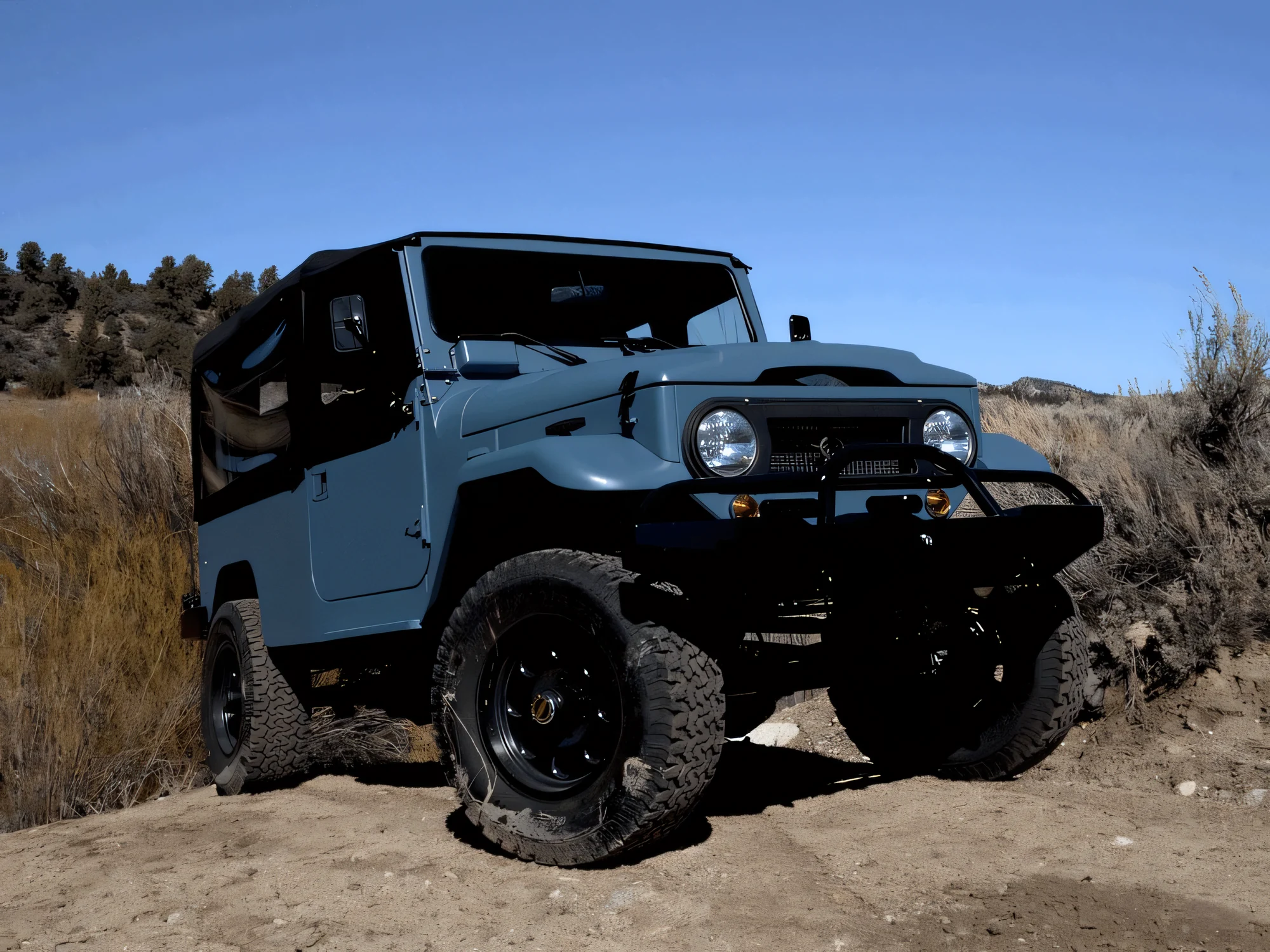
The opposite of the working build: ICON 4x4's Jonathan Ward re-engineers FJ40s from the ground up with LS V8 power and modern running gear. They're the most beautiful Cruisers on earth — and, at around US$200k–240k a commission, priced like it.
The icon, perfectedA house deposit
Every frame
The whole set — tap any to blow it up.
The progression
The numbers that actually changed, generation by generation.
Torque over horsepower
The Land Cruiser has always sold pulling power, not top speed. From the 80 Series' petrol six to the 300's twin-turbo diesel V6, the story is torque climbing steadily — and the 300's 700 N·m diesel now out-pulls the beloved 4.5 V8 it replaced.
80 · 4.5 petrol
373 N·m
1FZ-FE six
79 · 4.5 V8 diesel
430 N·m
1VD-FTV
300 · petrol V6
650 N·m
twin-turbo
300 · diesel V6
700 N·m
twin-turbo
One generation, four decades
Most Land Cruiser generations lasted a decade or less. The 70 Series has run since 1984 and is still on sale — it has outlived every other Cruiser design, and most of its rivals, several times over.
70 Series
42 years in production
1984–now
40 Series
24 years in production
1960–84
100 Series
9 years in production
1998–2007
80 Series
8 years in production
1990–97
The spec sheet
Specs by generation — pick an era.
BJ / 20 Series · 1951–1960
Born
1951 'BJ' prototype — a Jeep-inspired Toyota 4x4
The legend
Climbed to Mt Fuji's 6th station — first vehicle that high
The name
'Land Cruiser' coined 1954 by Hanji Umehara
Why
To dodge Willys' 'Jeep' trademark and match the Land Rover
In production since 1984 — longest single-gen Toyota
SA range
76 wagon · 78 'Troopie' · 79 single- & double-cab
Built in
Japan (Toyota Auto Body, Yoshiwara) — imported to SA
The V8
4.5 1VD-FTV diesel · 151 kW · 430 N·m — retired in SA Aug 2025
Now
2.8L four-cylinder turbodiesel · 150 kW · up to 500 N·m
Its job
The SA/African farm, mine and game-reserve default
100 / Prado · 1998–2009
100 Series
1998 — first Land Cruiser with independent front suspension + V8
Prado
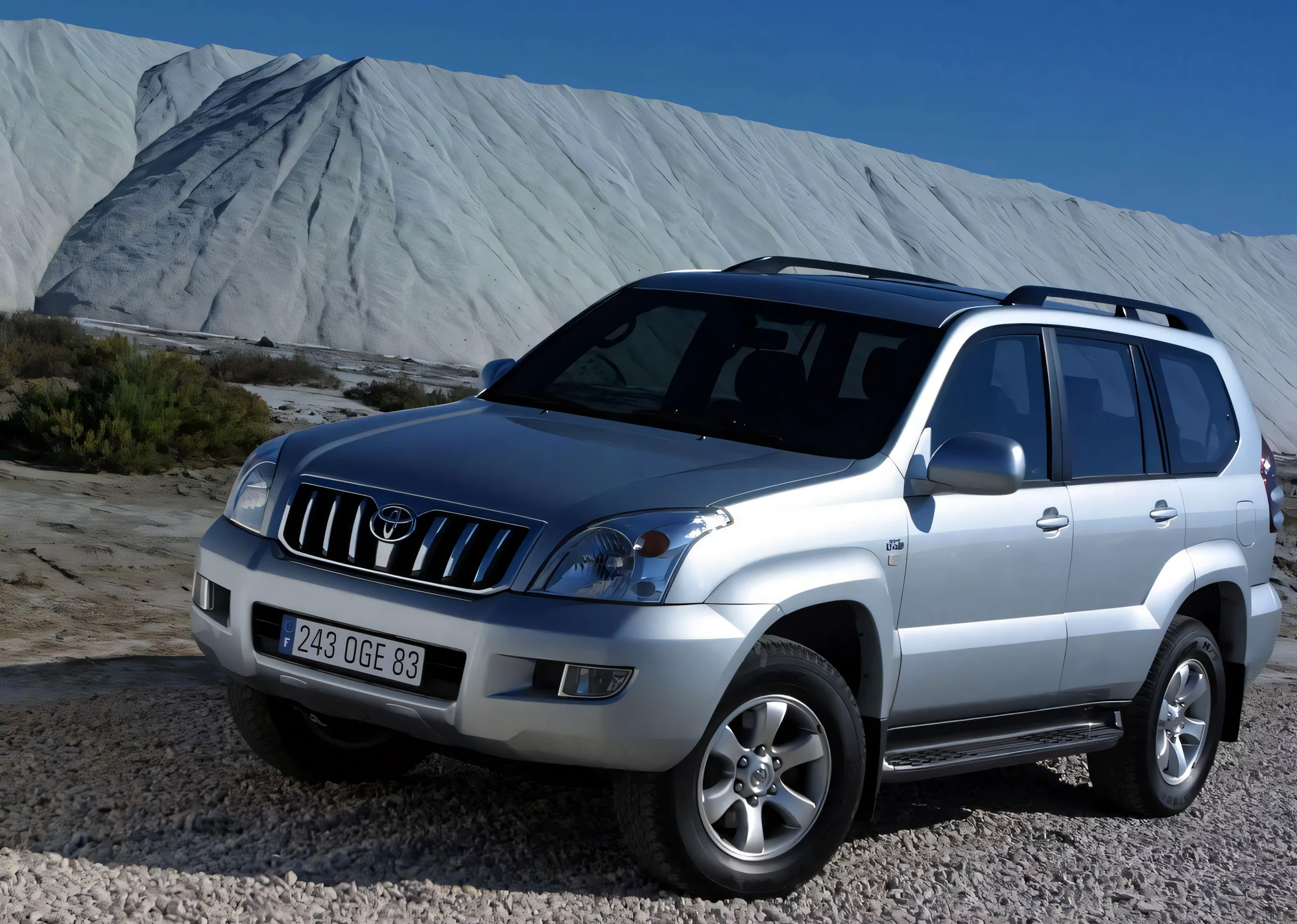
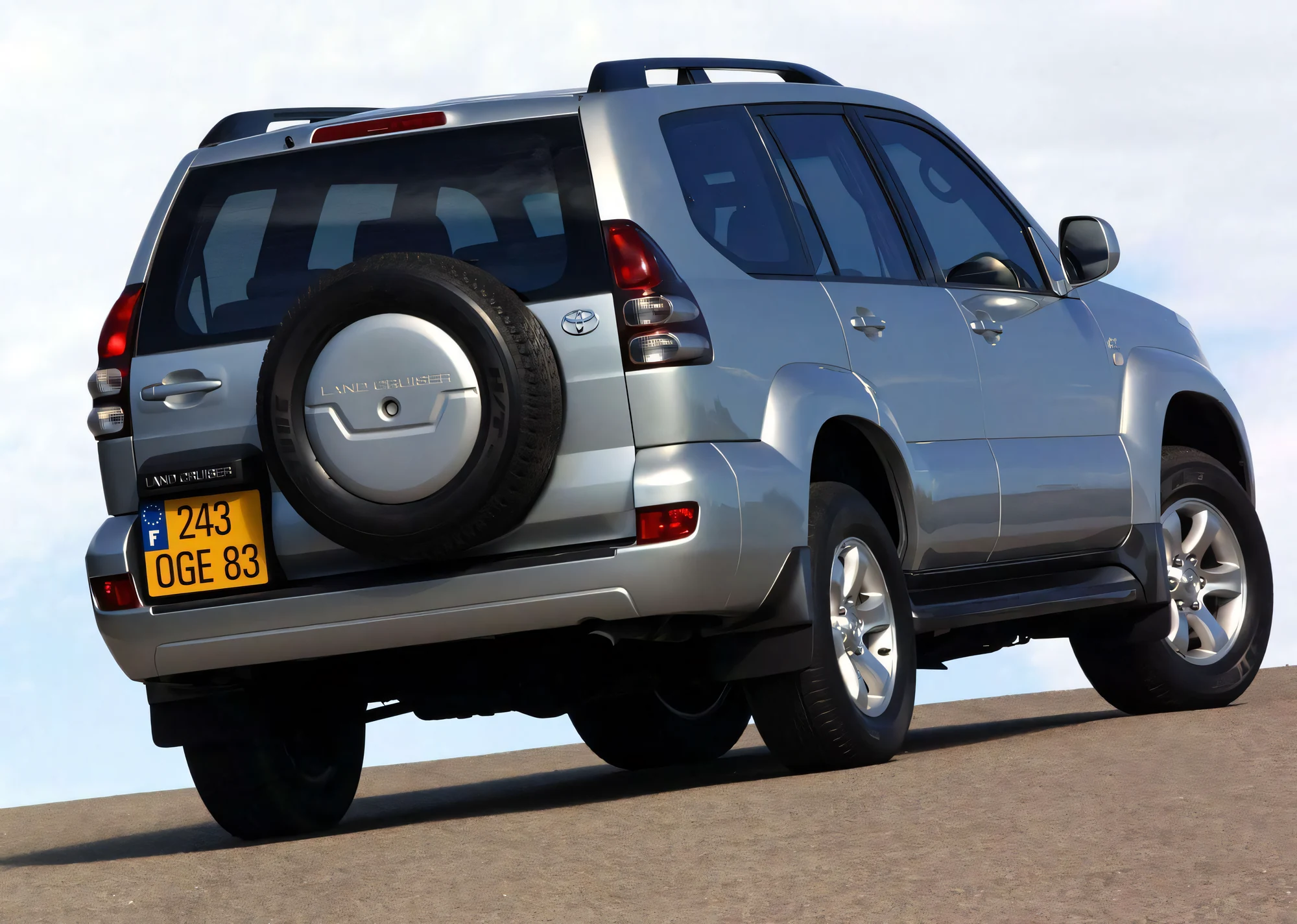
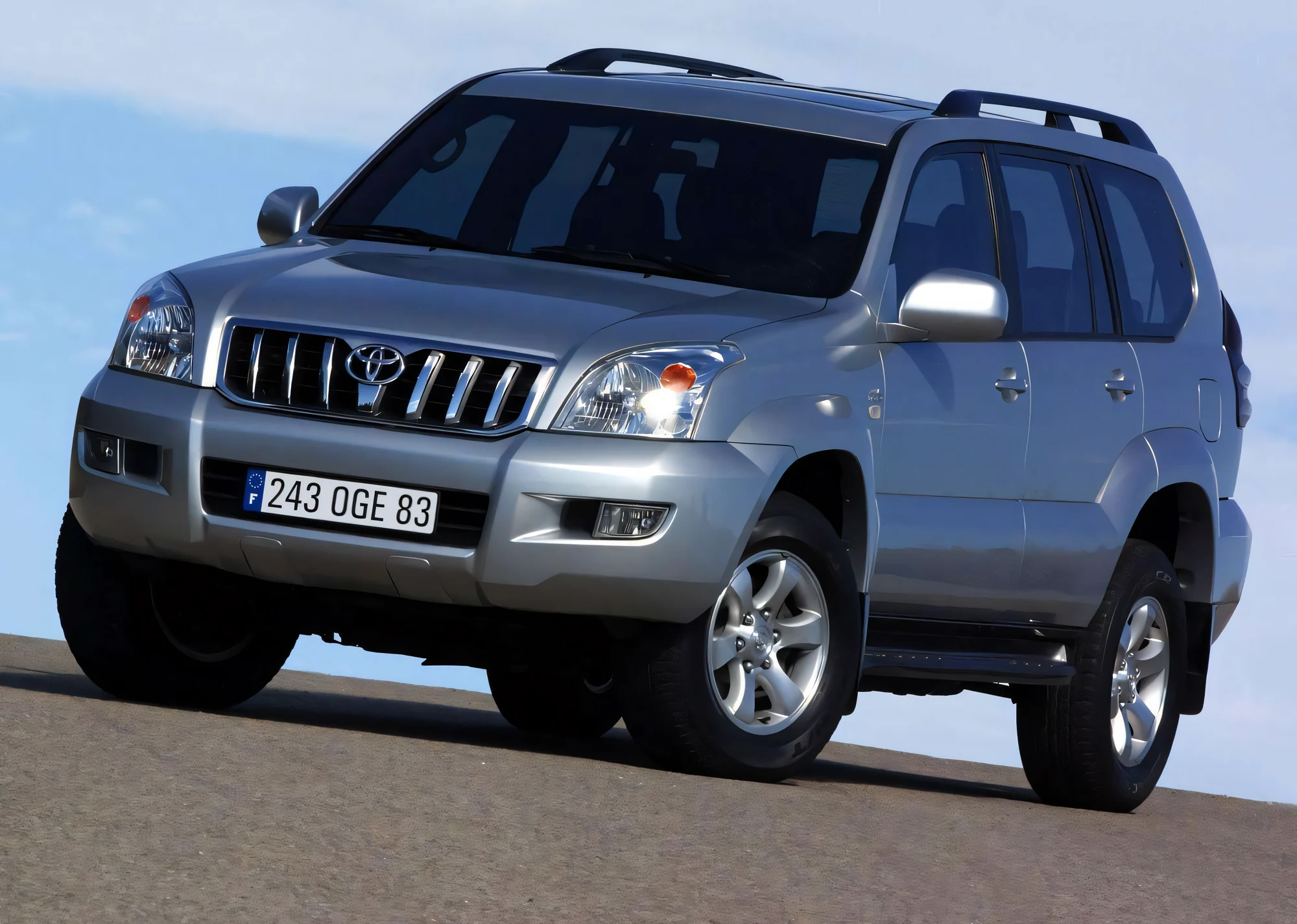
The lighter-duty line — the 120 Prado (2003) shown in the gallery
Character
Comfort and on-road manners without losing low range
SA note
The Prado is a South African favourite in its own right
200 Series · 2007–2021
Engine
V8 flagship era — incl. the 4.5 1VD-FTV V8 diesel
Shared
That V8 diesel it shared with the 79 in some markets
Role
The luxury full-size Cruiser — luxury that still wades
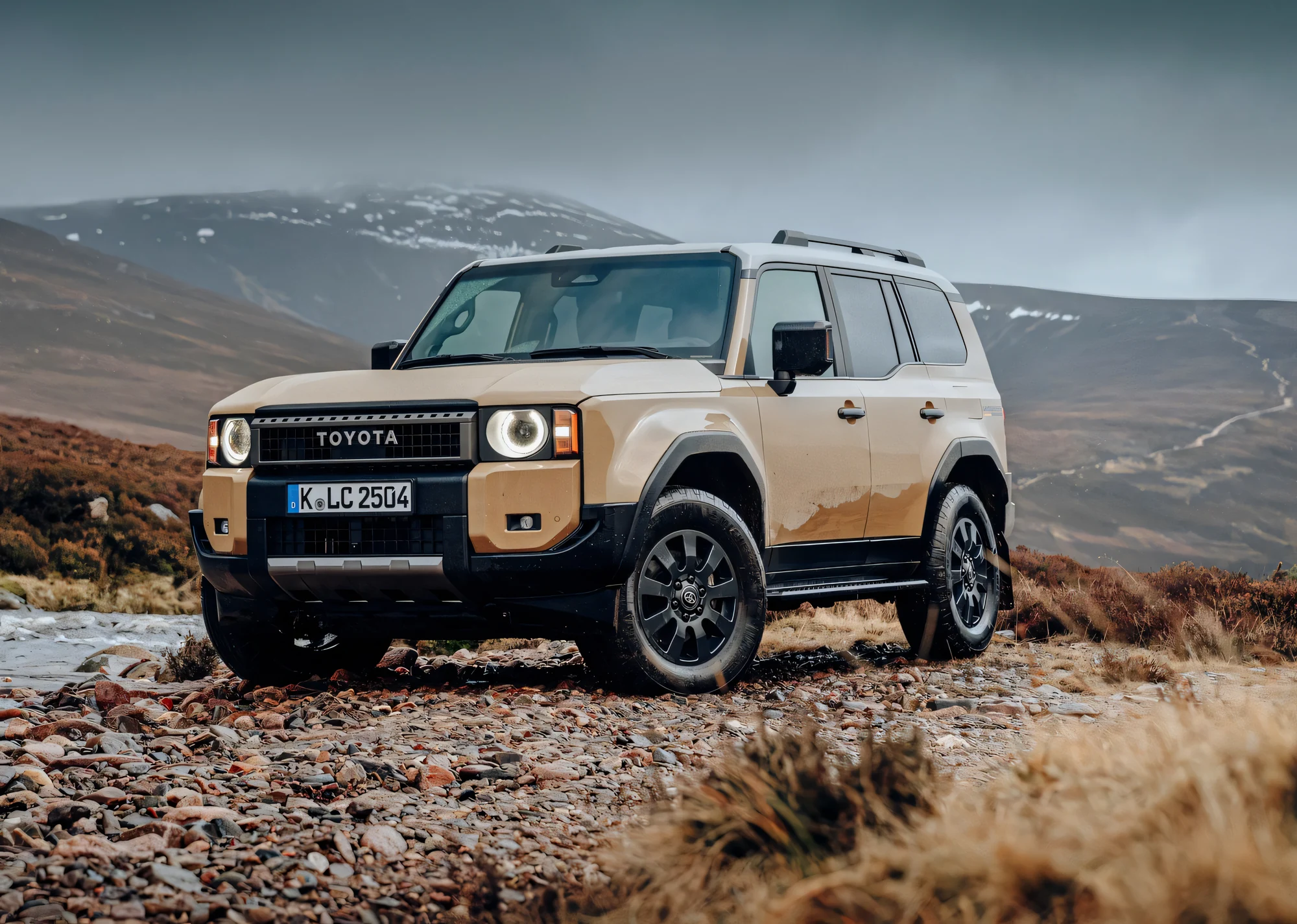
250 / 300 · 2021–2025
300 Series
2021 — new GA-F ladder frame, 20% stiffer, ~200 kg lighter
New engines
V8 dropped for twin-turbo V6s (3.5 petrol / 3.3 diesel)
3.3 diesel
309 PS · 700 N·m — more torque than the old V8
250 Series
2023 — the lighter-duty Prado line, now badged Land Cruiser
Straight answers
Is the Land Cruiser sold in South Africa actually built here?
No — and it catches people out, because it feels so South African. The SA Land Cruiser, including the 70-Series 76, 78 and 79, is fully imported from Toyota Auto Body's Yoshiwara plant in Japan. Toyota South Africa's Prospecton plant in Durban builds the Hilux, Fortuner, Corolla Cross, Quest, Hiace and Hino trucks — but not the Cruiser. Unlike the Land Rover Defender, which South Africa genuinely assembled, the Cruiser is a global product the continent adopted rather than one it built.
What happened to the 4.5 V8 diesel everyone loved?
Toyota SA retired it. The 79's 4.5-litre 1VD-FTV V8 turbodiesel — 151 kW and 430 N·m — was a South African favourite for about eighteen years, but Toyota SA discontinued the V8 in August 2025 and replaced it with a 2.8-litre four-cylinder turbodiesel (150 kW, up to 500 N·m). The V8 had already been dropped from the 76 wagon in 2024. It's the end of an era for one of the most loved engines the local 79 ever had.
Why do the UN and aid agencies drive Land Cruisers?
Because reliability and parts availability beat everything else in the deep field. The Land Cruiser is the de-facto standard for UN agencies, the Red Cross and NGOs across Africa — chosen because it's built not to break, and because a mechanic and a spare are never far away. As a concrete example, the WHO used refrigerated 70-Series Land Cruisers to move COVID-19 vaccines through the cold chain.
What was the "Toyota War"?
The 1987 climax of the Chad–Libya conflict, named for the Toyota pickups and Land Cruisers that decided it. Chad's forces ran Land-Cruiser and Hilux 'technicals' — light 4x4s with mounted weapons — against a far larger mechanised Libyan army, and won so lopsidedly (one engagement cost Libya roughly 800 dead and 92 tanks against 18 Chadian dead) that the pickup 'technical' entered military doctrine as a category of its own.
Where did the name "Land Cruiser" come from?
From a bit of rivalry. Toyota's technical director Hanji Umehara coined 'Land Cruiser' in 1954 — partly to sidestep Willys' 'Jeep' trademark, and partly so Toyota's 4x4 would sound no less rugged or dignified than the vehicle it was chasing: the Land Rover. The name has outlived the rivalry by seventy years.
Did Toyota really discontinue the 70 Series and then bring it back?
In Japan, yes. Toyota had withdrawn the 70 Series from its home market, then re-released it there on 25 August 2014 to mark the 70-Series' 30th anniversary, purely on public demand. The comeback even gave Japanese buyers a 70-Series double-cab pickup for the first time, powered by a 4.0-litre 1GR-FE V6. It sold for about a year — proof of how deep the attachment to the shape runs.